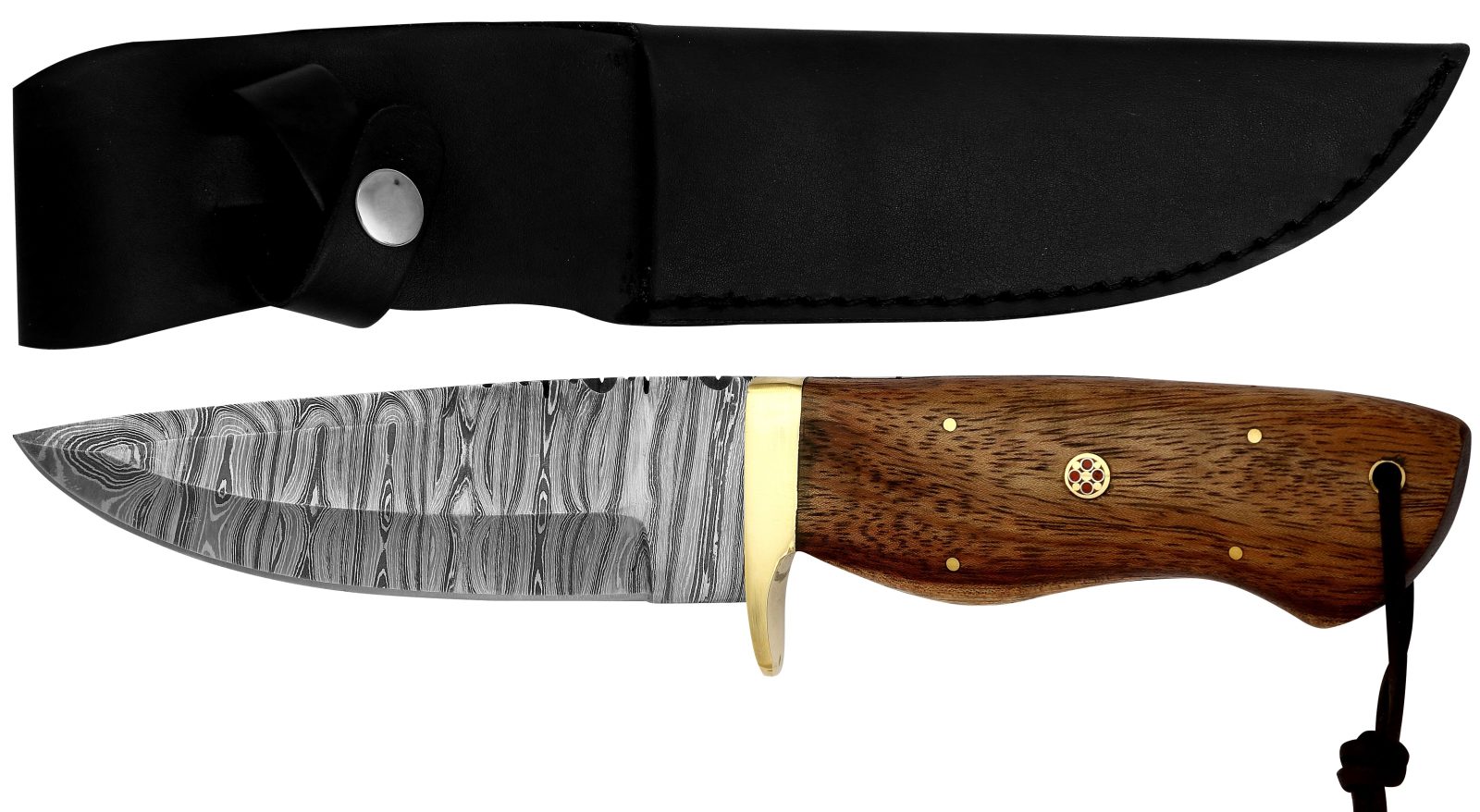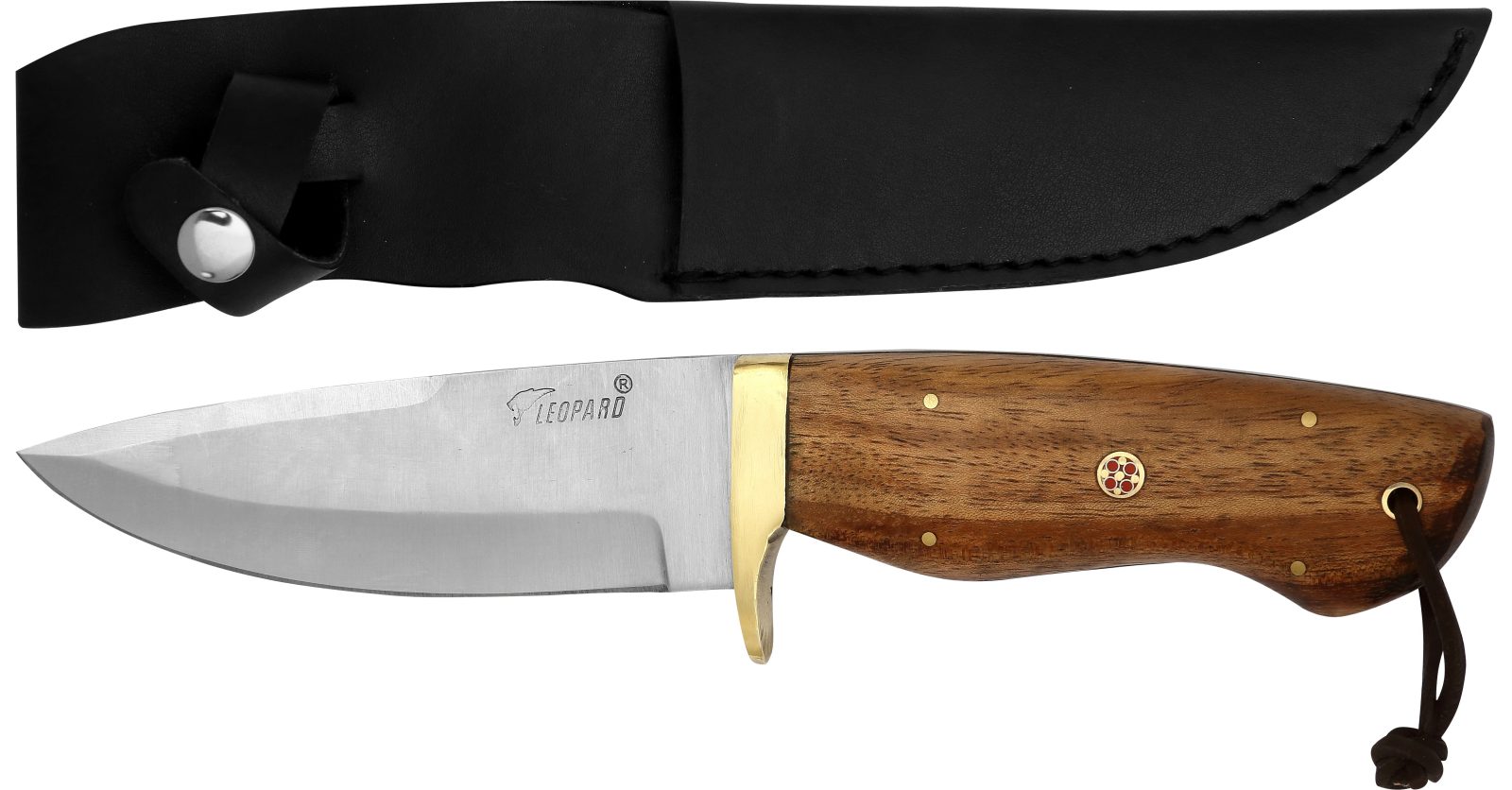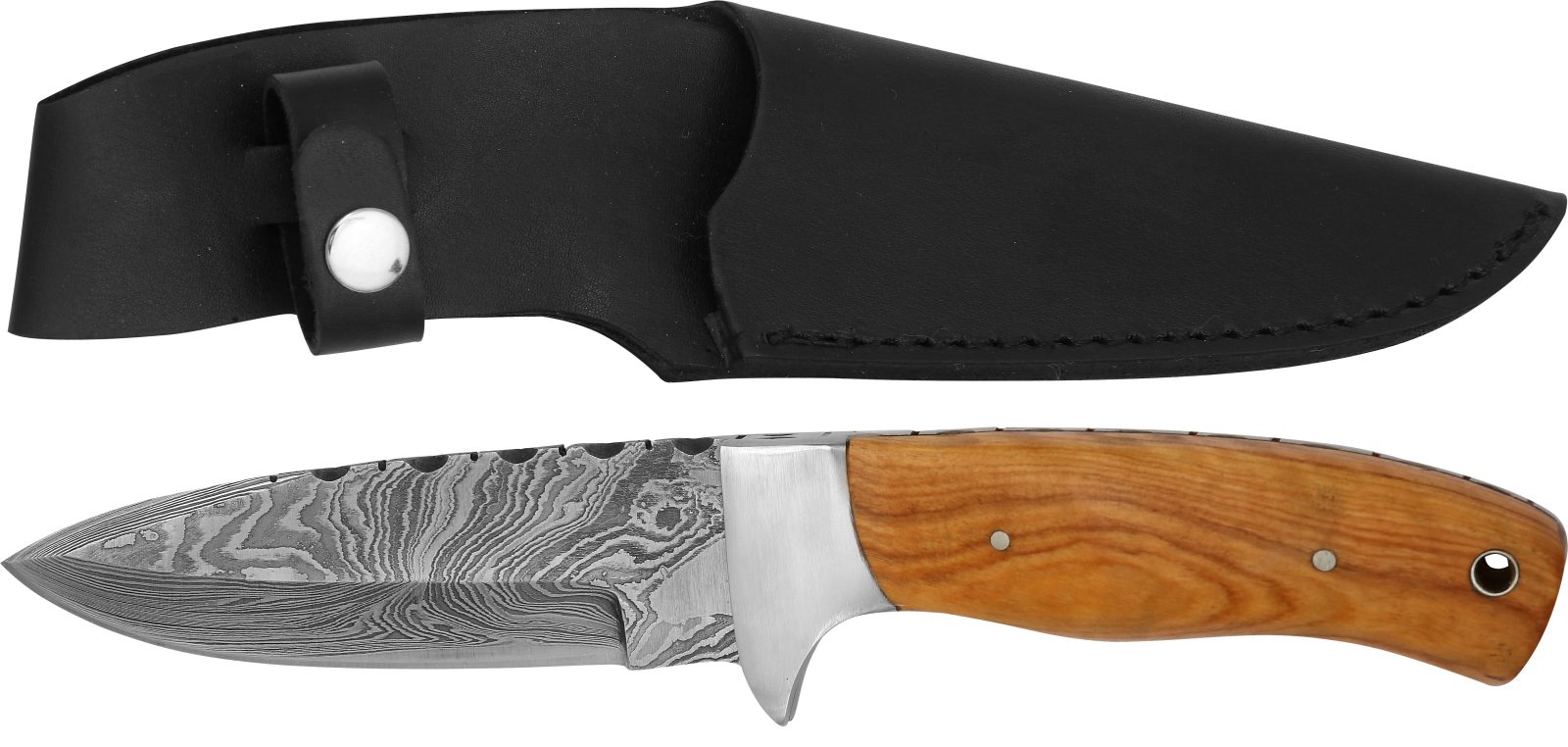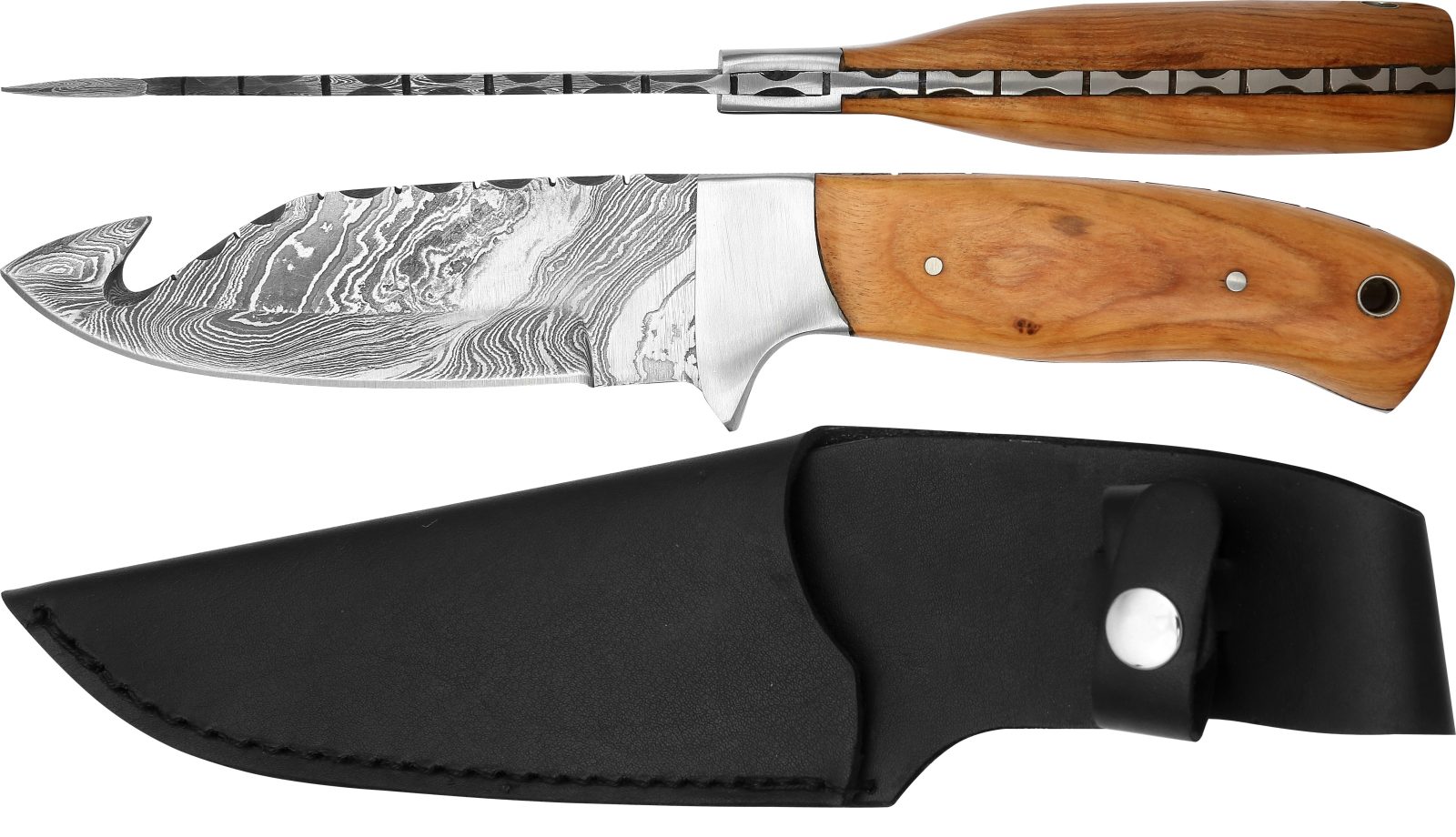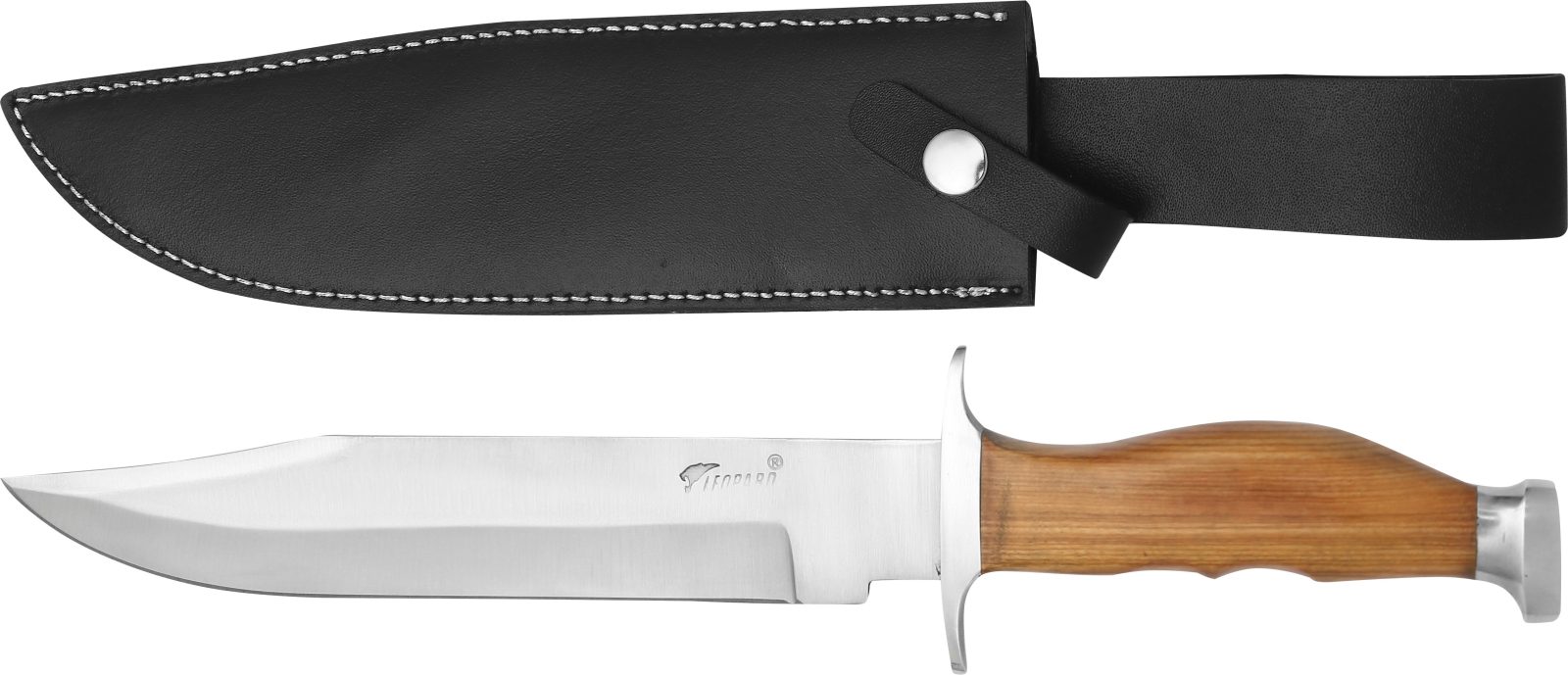
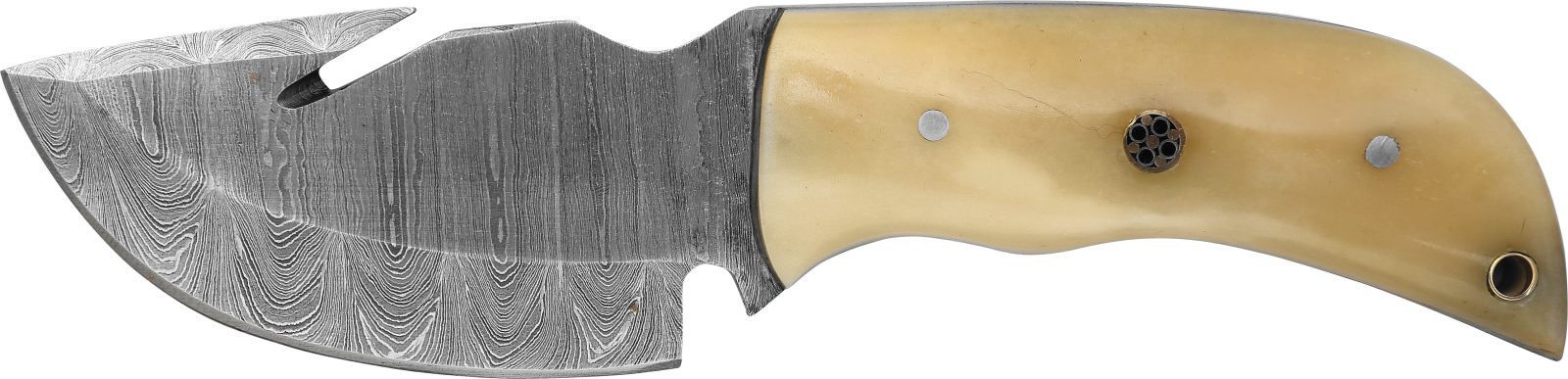
Damascus Fixed Blade Skinning Knife with Gut Hook & White Bone Handle – 11 cm Handle, Leather Case Included

A genuine Damascus blade with a gut hook and white bone handle, 11 cm handle, leather case included, made in Pakistan.

$29.00
Unit price. Rates are degressive by quantity, size and material.
Wholesale $20.30
Ask about this item on WhatsApp
  • Factory direct Sialkot, since 1982
  • Worldwide shipping
  • Private label on request
  • Wholesale pricing by quantity

About this knife

This fixed-blade skinning knife pairs a 9.5 cm hand-forged Damascus steel blade with an integrated gut hook and an 11 cm white bone handle. Handmade in Pakistan, it ships with its own leather belt case, built for field use as much as display. A premium wholesale item for hunting retailers wanting genuine Damascus steel in a compact skinner.

Specifications

Weight
0.338 kg
Blade size (cm)
9.5
Handle size (cm)
11
Blade
Damascus steel
Handle
Bone
Included
Leather case
Knife Notes

Know-how from our Sialkot workshop

Questions & answers

Bone, Damascus and price: quick answers

Are Damascus knives from Pakistan any good?

The pattern alone proves nothing; the workmanship does. On this compact skinner, check that the layers run cleanly through the 9.5 cm blade and around the gut hook, that the etch is even, and that the white bone handle sits tight with no gaps. Sialkot makers have long experience with both Damascus and bone, and a well-finished piece will serve for many seasons.

What is the price of this hunting knife in Pakistan?

For visitors in Pakistan, the price of one knife is given in rupees (PKR) at the top of the page. Outfitters and gift shops ordering several receive a degressive rate; ask on WhatsApp or by email with the quantity you need.

Will the white bone yellow over time?

Slightly, and many owners like it. Natural bone slowly warms towards ivory with handling and light. Keep it away from strong sun and coloured oils, and wipe it with a barely damp cloth rather than soaking it.
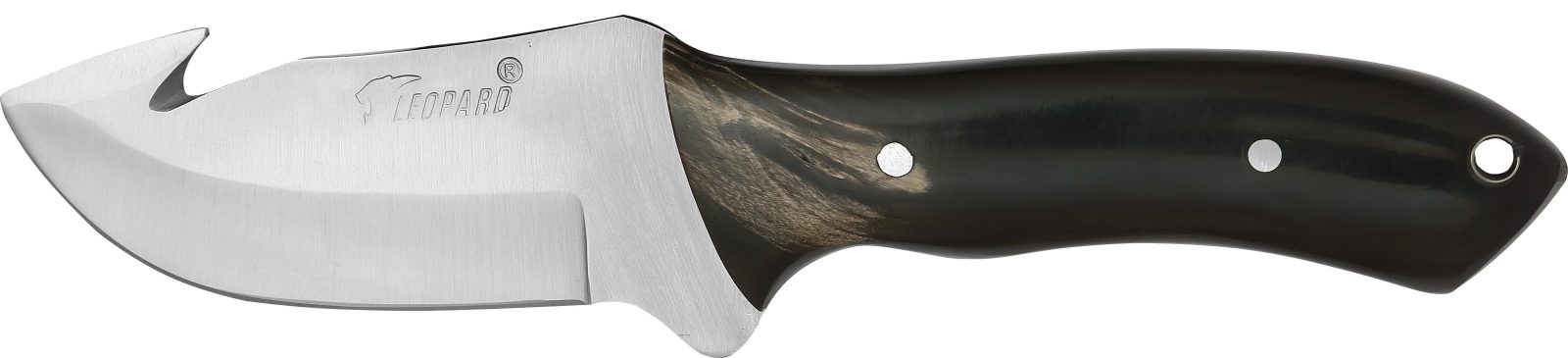
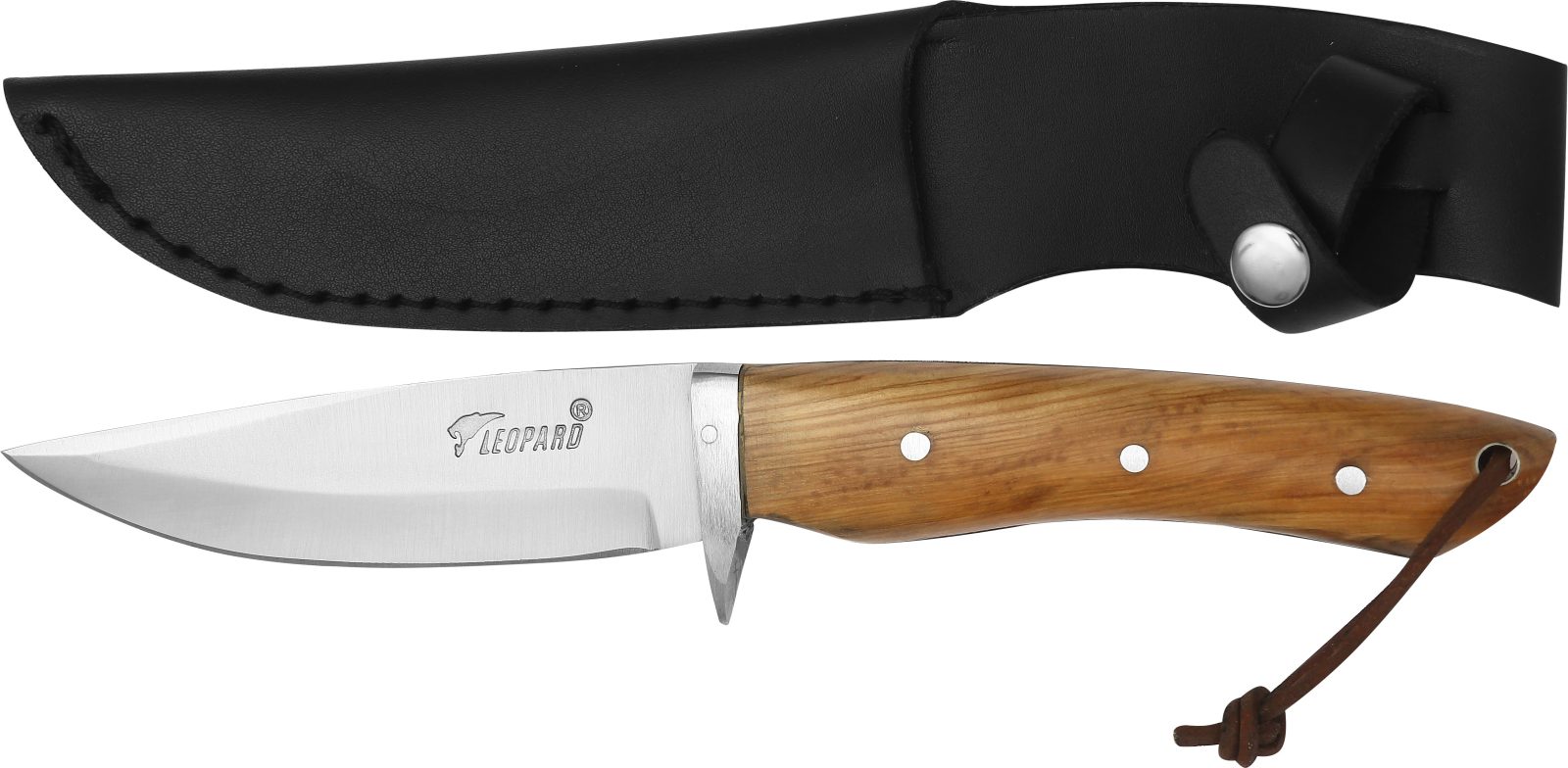
Made in Sialkot

Layered steel and white bone: how such a skinner is made

In Sialkot's knife trade, a Damascus blade starts as a stack of steels with different carbon content, heated in a forge and hammered until the layers weld into one billet. The billet is folded or twisted, drawn out and ground to shape. On a skinner, the gut hook is cut and ground before heat treatment, and a final acid etch darkens some layers more than others so the pattern appears.

Bone handles are usually cut from cattle or camel bone, a by-product of the meat trade, then cleaned, shaped and polished until smooth and pale. Among Pakistani Damascus knives, pairing a 9.5 cm patterned blade with an 11 cm white bone handle is one of the most classic combinations.

Best uses

Small game, birds and detailed skinning

With a short 9.5 cm blade and a gut hook, this knife is built for precision rather than reach, which suits work where a big blade gets in the way. Like most compact hunting knives from Pakistan, it rides comfortably on the belt in its leather case.

  • Rabbits and other small game
  • Game birds and waterfowl
  • Caping and detail skinning
  • Trimming meat at the bench
  • Cleaning the day's catch
  • A collector's Damascus cabinet
How to use

Skinning small game with a short blade

  1. Grip the white bone handle close to the blade, with your thumb on the spine just behind the gut hook, for fine control.
  2. Pinch and lift the skin with your free hand, and make the first cut with the edge facing up so you part skin rather than meat.
  3. Separate skin from meat with short, shallow strokes of the belly, peeling back as you go rather than sawing.
  4. Use the gut hook for long openings, drawing it towards you with steady pressure.
  5. Rinse blade, hook and handle in cold water, dry them, and leave the case open to air.

A compact Pakistan knife like this rewards patience more than force.