Damascus Blade Skinning Knife with Natural Ram Horn Handle – 11 cm Handle, Wooden Box Included

A genuine Damascus steel skinning knife with a natural ram horn handle, 11 cm handle, Damascus bolster, wooden box included.

$27.00
Unit price. Rates are degressive by quantity, size and material.
Wholesale $18.90
Ask about this item on WhatsApp
  • Factory direct Sialkot, since 1982
  • Worldwide shipping
  • Private label on request
  • Wholesale pricing by quantity

About this knife

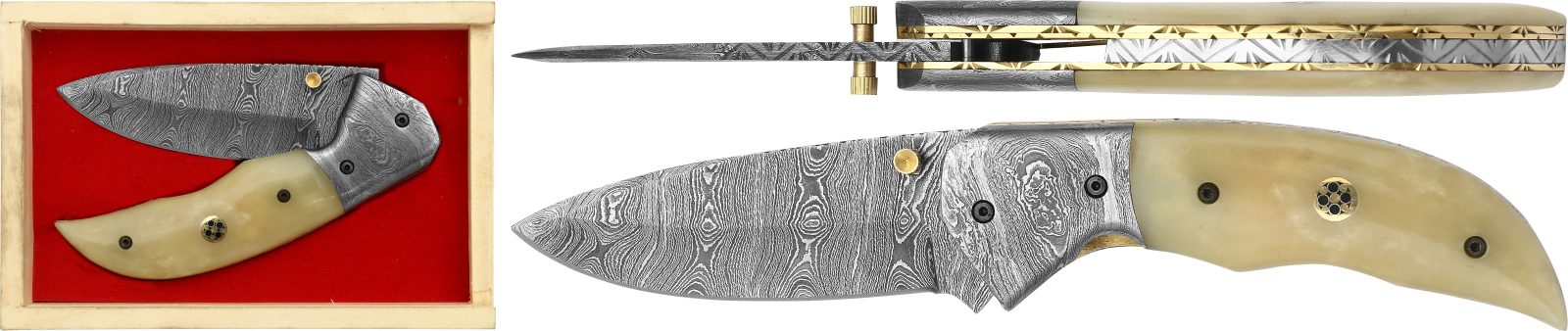
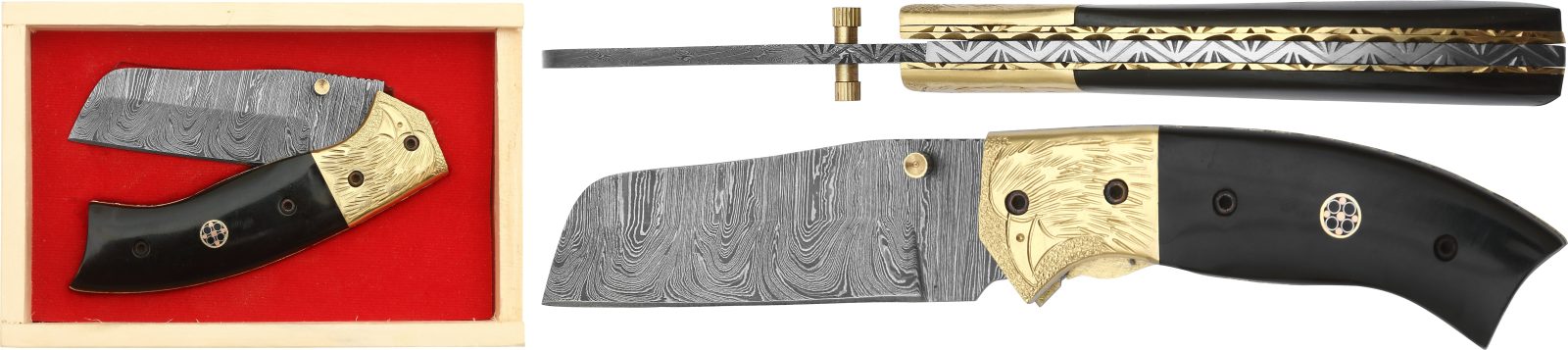
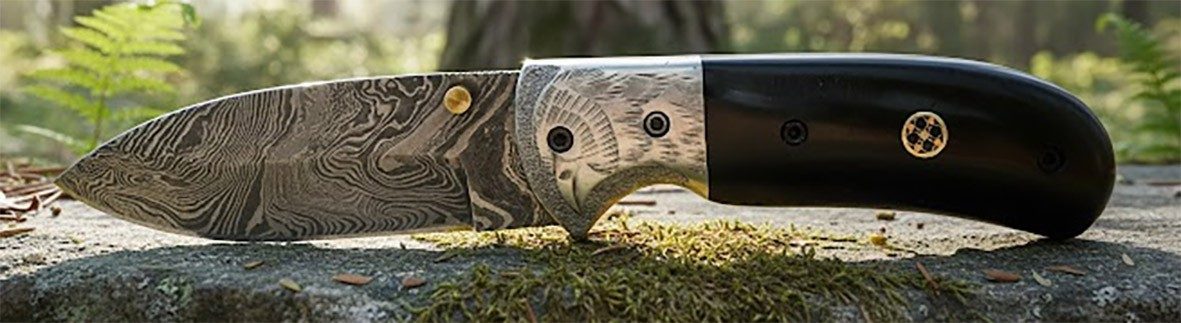
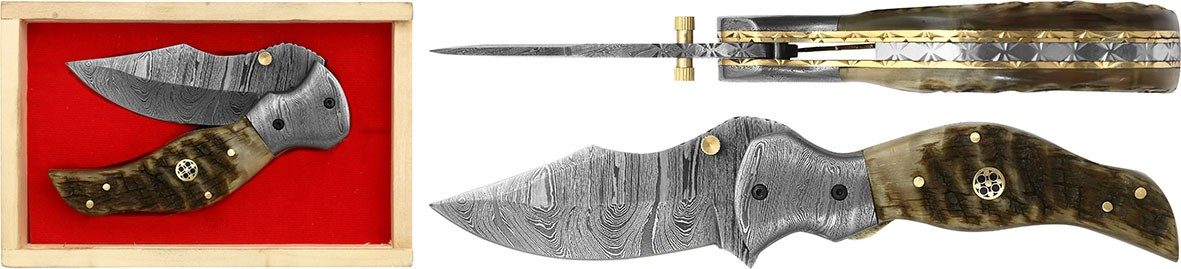
This folding skinning knife pairs an 8 cm hand-forged Damascus steel blade with an 11 cm natural ram horn handle and a matching Damascus-pattern bolster, its mottled cream-and-tan horn giving each piece a unique look. Crafted in Pakistan, it ships in its own wooden presentation box. A premium wholesale item for hunting retailers wanting a distinctive natural-material skinning knife.

Specifications

Weight
0.354 kg
Blade size (cm)
8
Handle size (cm)
11
Blade
Damascus steel
Handle
White horn
Bolster
Damascus
Included
Wooden box
Knife Notes

Know-how from our Sialkot workshop

Questions & answers

Ram horn, display and pricing questions

How should I display a knife collection?

Choose the background to suit the handle. Pale materials such as this cream-and-tan ram horn look their best on dark velvet or walnut, while black horn and ebony need light linen behind them. Keep any natural handle away from windows and hot spotlights, since heat and sun dry horn and fade its mottling over time.

What does this skinning knife cost in Pakistan?

For buyers in Pakistan, the price of one knife with its box is shown in rupees at the top of this page. Hunting and outdoor shops ordering in quantity pay a degressive rate: the more pieces, the lower the price of each. Ask on WhatsApp or by email.

Is every ram horn handle different?

Yes. Ram horn grows in layers, and the cream and tan streaks fall differently in every section that is cut, so no two handles match. The photo shows a typical example; yours will carry its own markings.


Care & maintenance

Pale ram horn after a day in the field

Light horn shows every mark, so a skinning knife with this handle needs a little more attention than a black one, and the Pakistani Damascus blade asks for the same discipline:

  • Wipe blood and fat off blade and handle as soon as the job is done; dried stains sink into pale horn.
  • Wash with lukewarm water and a little soap, never by soaking, then dry the join at the Damascus bolster carefully.
  • Leave a thin coat of oil on the 8 cm blade before closing it, and a drop at the pivot.
  • Every few months, rub a little oil or beeswax into the horn to stop it drying out.
Sharpening

Skinning edges should glide, not tear

Skinning calls for a keen, smooth edge rather than a toothy one, so finish finer than you would on a utility knife.

  1. Work on a 1000 grit stone at a slightly lower angle than usual, around 15 degrees, which helps the edge part hide from flesh.
  2. Count your strokes and match them on both sides so the edge stays centred.
  3. Move up to a fine stone, 4000 grit or more, to polish the bevel.
  4. Strop on leather loaded with a little compound until the 8 cm edge shaves arm hair cleanly.

Many folding knives made in Pakistan with Damascus blades take a fine polish this way.

Which one to choose

Choosing between three skinners in the range

This knife's selling point is the ram horn: cream and tan, mottled, and unlike any other handle in the range. If your customer weighs it against its siblings:

As a Pakistan pocket knife for hunters who like natural materials, the ram horn model remains the most individual.