




















Buying guide
Straight, flat or curved: the grafting blade question
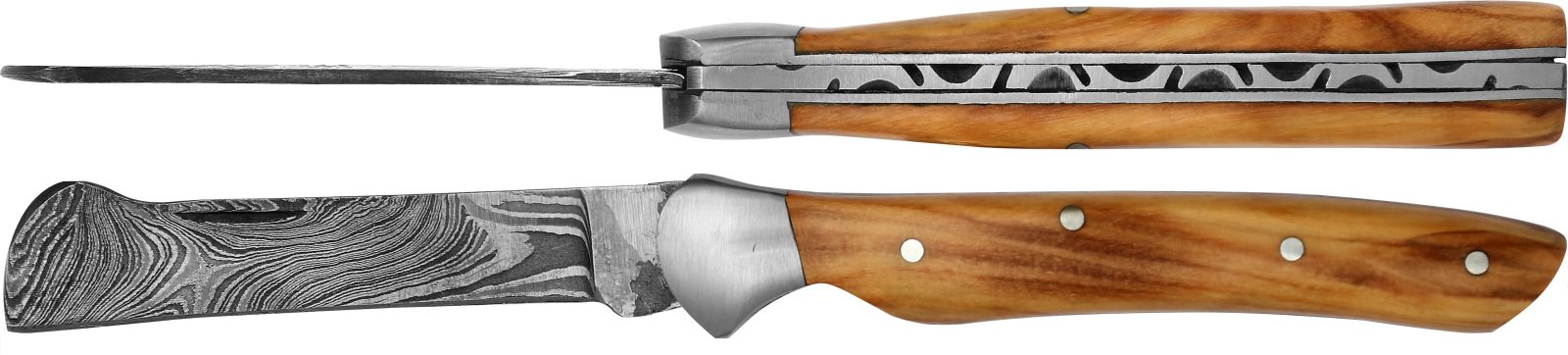
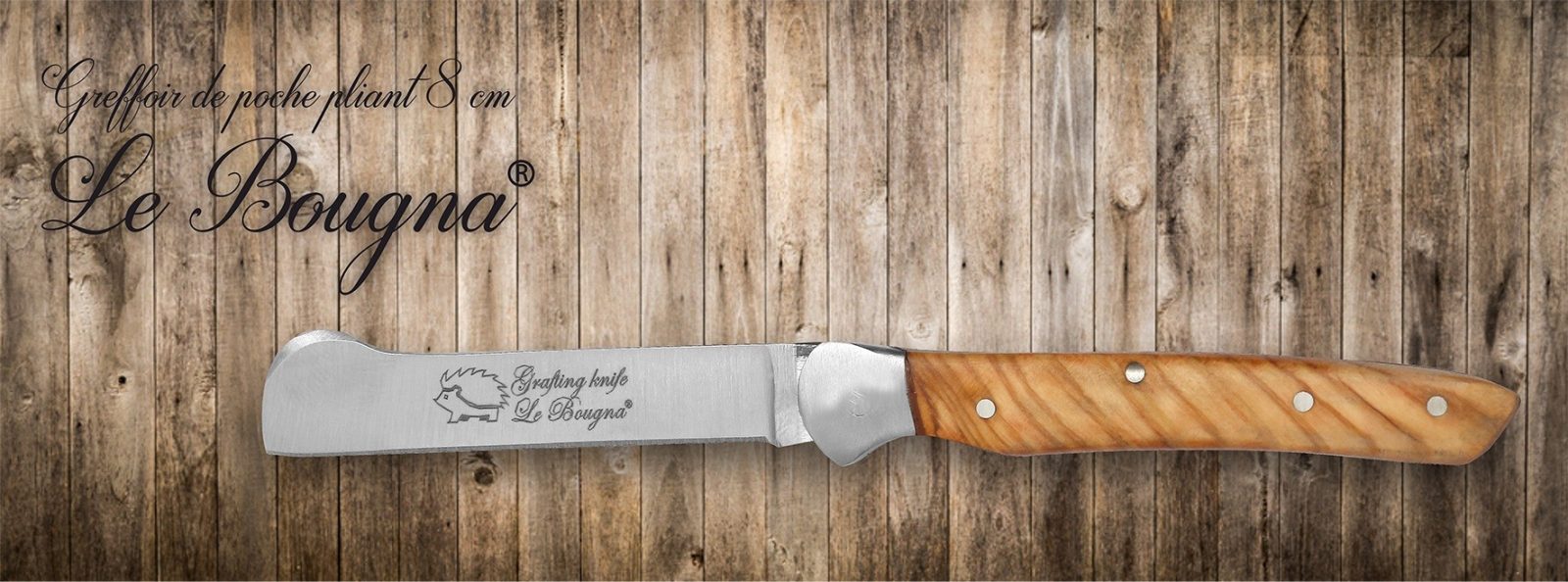
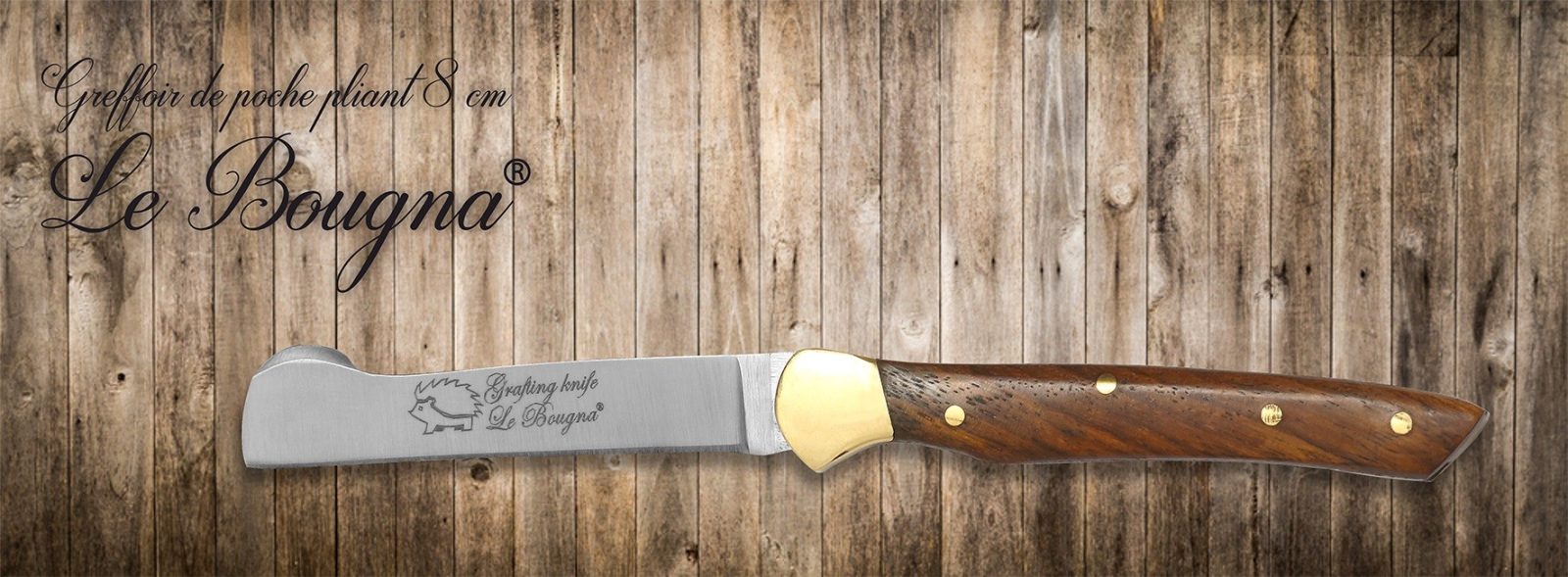
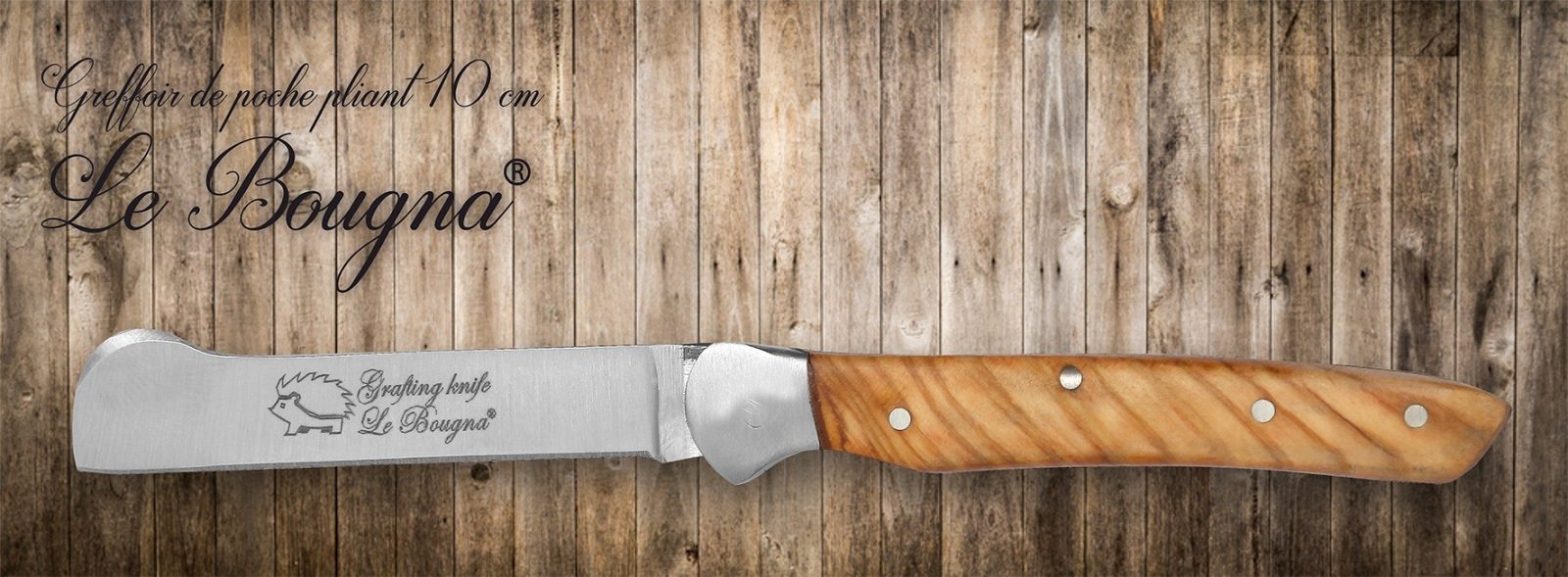
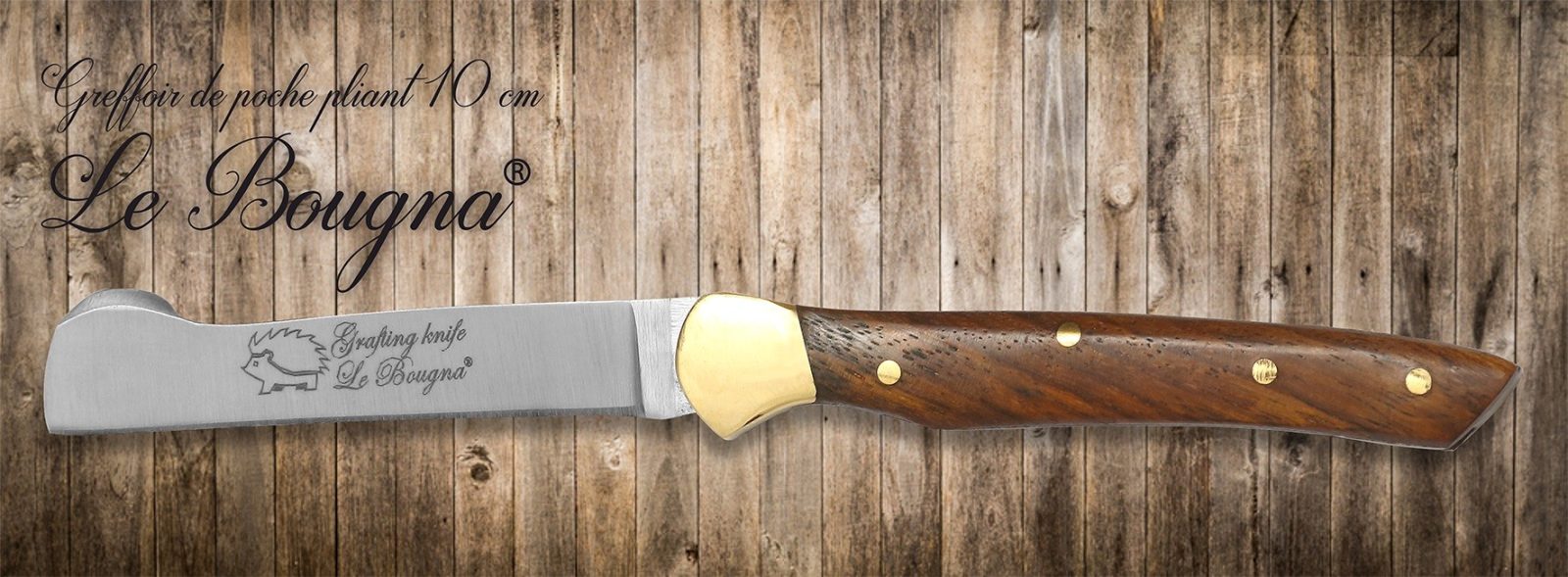
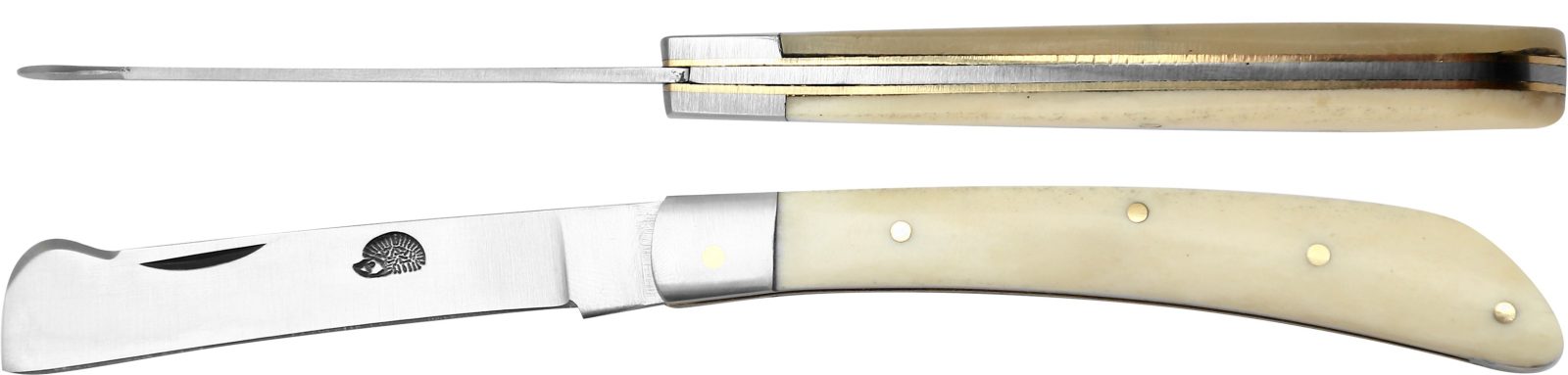
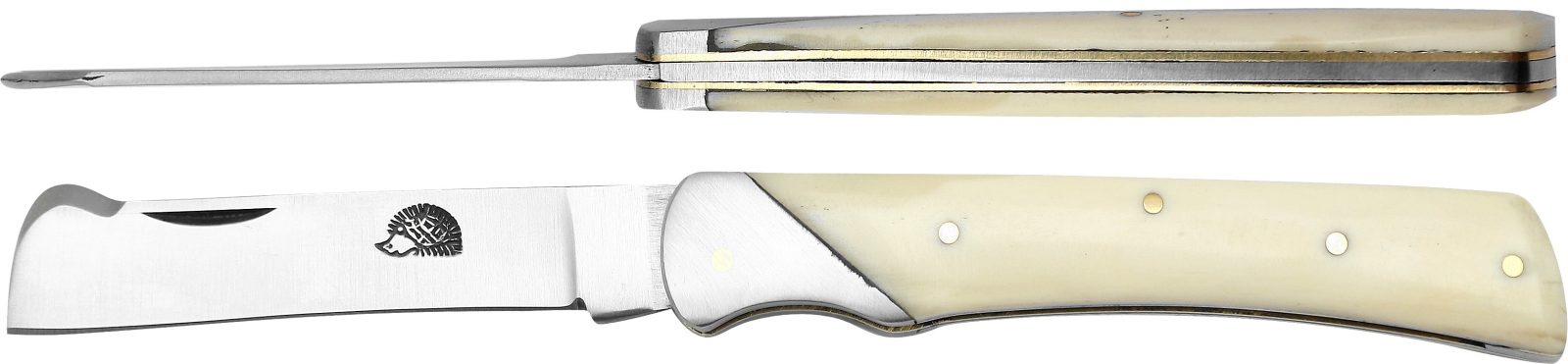
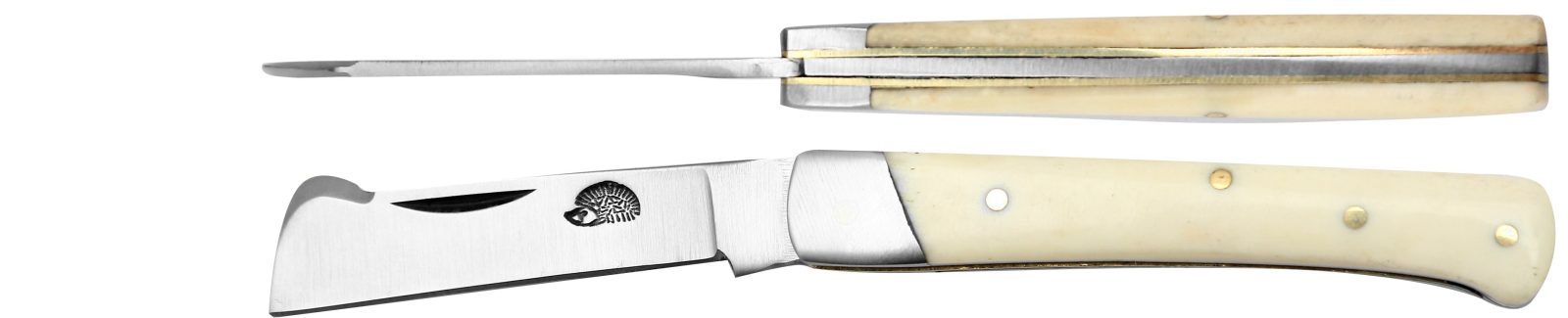
Grafting depends on one clean, flat cut, so blade shape matters more here than anywhere else in our folding range.
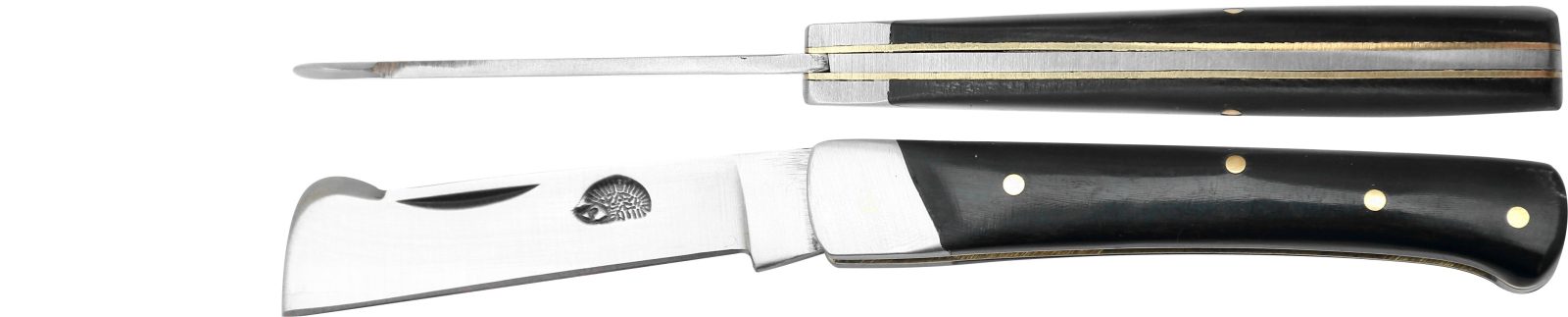
- Straight blades: the standard choice for whip-and-tongue and cleft grafts on fruit trees.
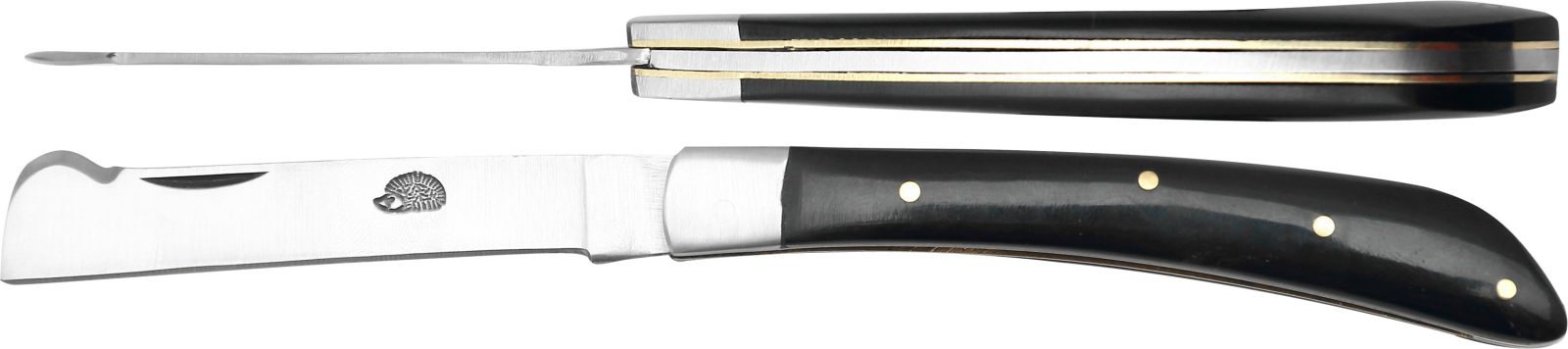
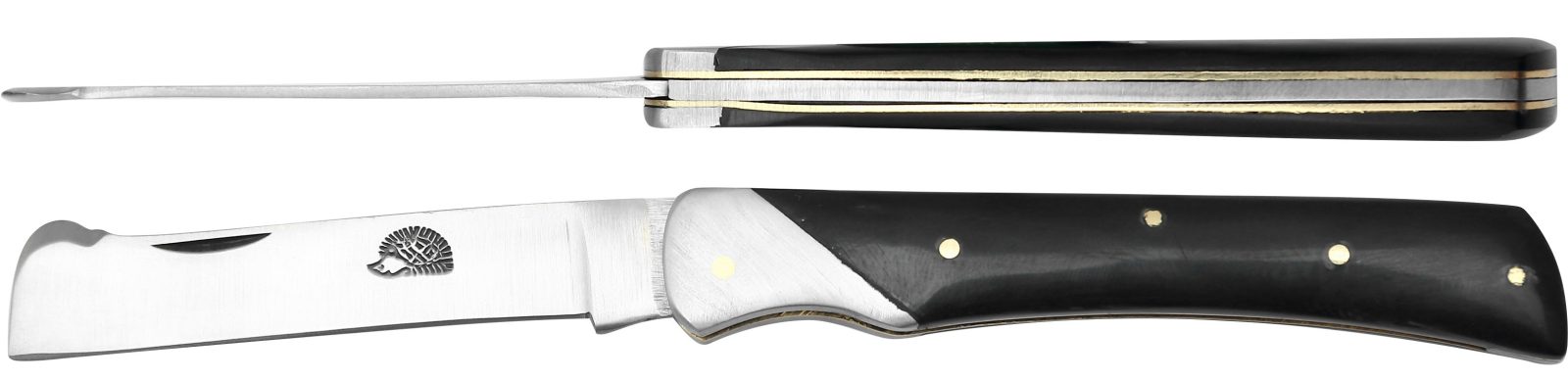
- Bark lifter: models such as the Black Horn Handle Grafting Knife with Bark Lifter add a small spatula to open the bark for budding, so one tool does both jobs.
- Curved and flat blades: a curved edge helps with some budding cuts, while flat-blade models like the Reddish Wood Handle Flat-Blade Grafting Knife give a long, straight stroke.
- All-steel: the All-Steel Pocket Grafting Knife, only 7.2 cm long, is easy to disinfect between plants.
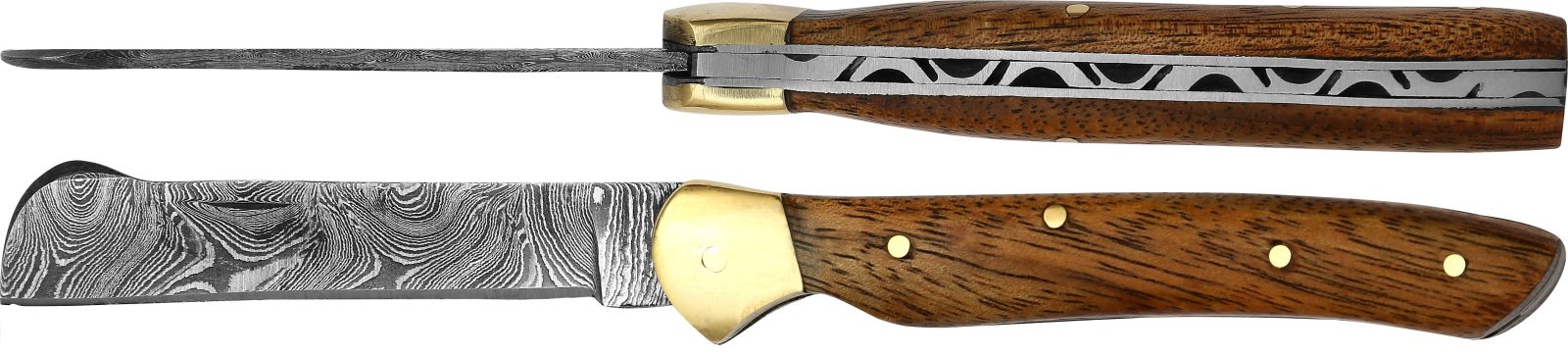
Most handles measure 8 or 10 cm, in teak, acacia, black horn, white bone or white and black ABS, the last being the most practical for nursery staff because it washes easily. Blades run from 5.5 to 8.5 cm. A horticultural supplier can cover most needs with one straight grafting knife, one bark-lifter model and one all-steel version. On arrival, check that the edge is keen enough to cut paper cleanly, since a grafting cut must never tear the tissue under the bark.