
Grafting Knives Ref. 3640

Reddish Wood Handle Grafting Knife – 10 cm Handle, Inox Bolster

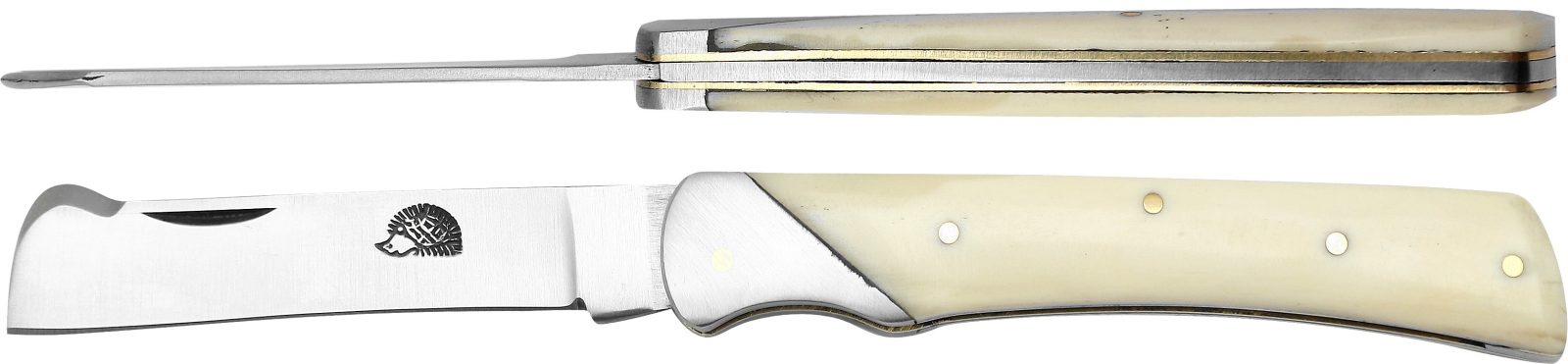
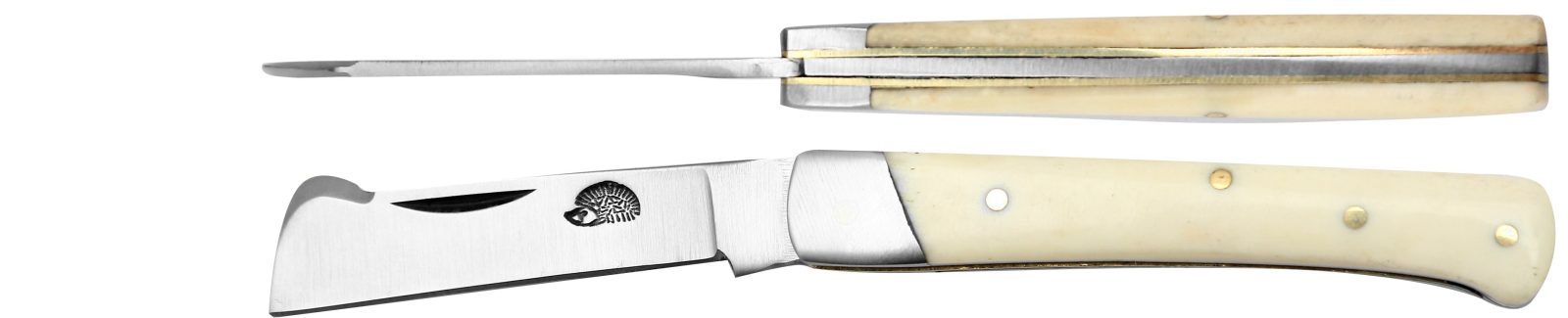
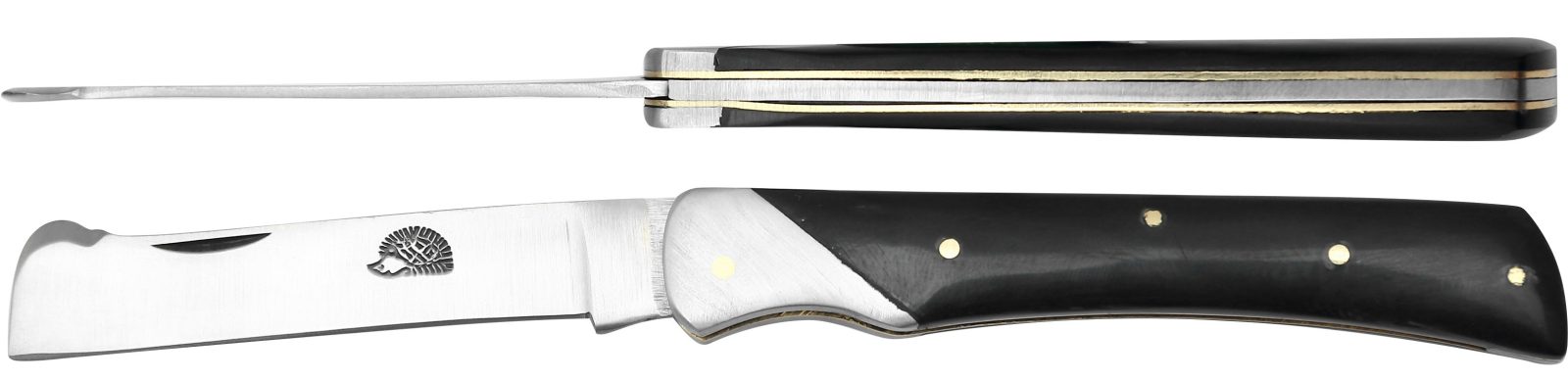
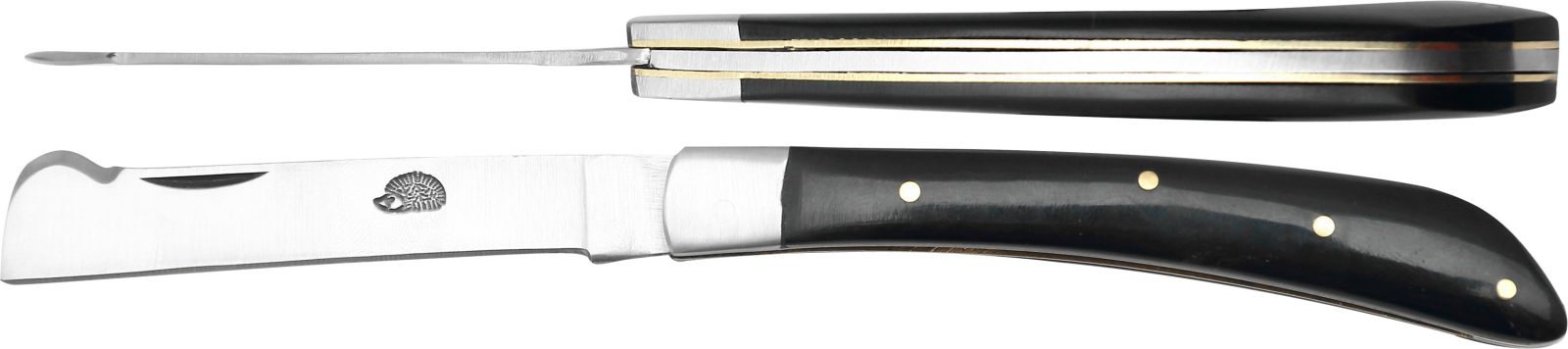
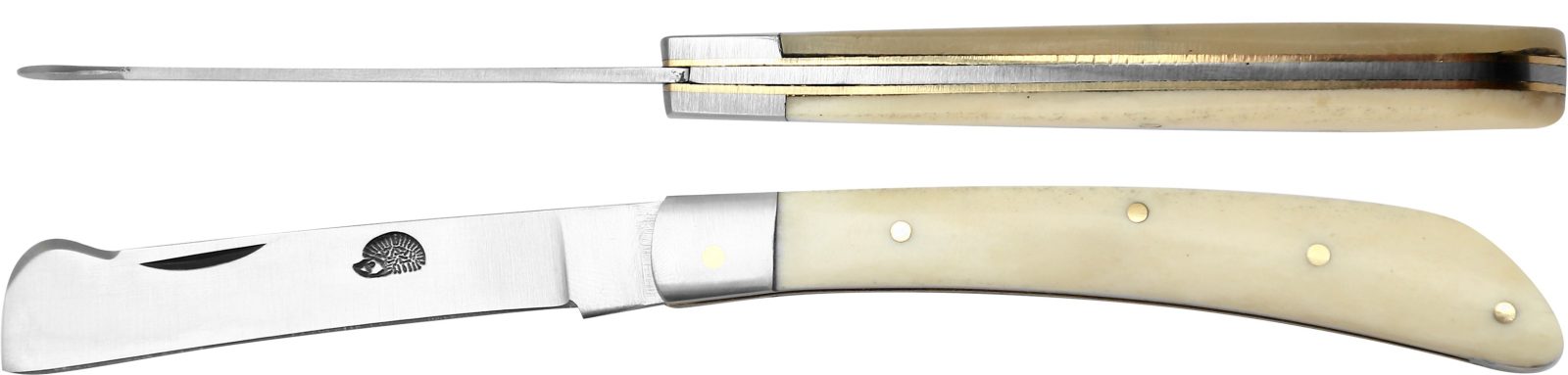
This grafting knife has a flat spatula-tip blade and reddish wood handle, inox bolster, 10 cm, made in Pakistan.

$3.90
Unit price. Rates are degressive by quantity, size and material.
Wholesale $2.73
Ask about this item on WhatsApp
  • Factory direct Sialkot, since 1982
  • Worldwide shipping
  • Private label on request
  • Wholesale pricing by quantity

About this knife

This grafting knife pairs a 7.5 cm flat, spatula-tipped blade with a 10 cm reddish-toned wood handle and a polished inox bolster. Manufactured in Pakistan, the squared-off tip suits lifting bark and making clean grafting cuts. A wholesale item for retailers wanting a wood-handle spatula-tip grafting knife.

Specifications

Weight
0.07 kg
Blade size (cm)
7.5
Handle size (cm)
10
Blade
Stainless steel
Bolster
Inox
Knife Notes

Know-how from our Sialkot workshop

Questions & answers

Reddish wood grafting knife: buyer questions

Are Pakistan knives any good?

A grafting knife is a demanding test, since it has to take a very fine edge and keep it through sap and damp. This one has a 7.5 cm stainless spatula-tip blade, a reddish wood handle and an inox bolster, and those parts should meet without gaps. A well-made Pakistan knife of this kind, from the workshops of Sialkot, does that job season after season.

How much does this grafting knife cost?

In Pakistan, the rupee price per knife is displayed at the top of the page. Garden centres and cooperatives buying several dozen pay less per unit, so write to us on WhatsApp or by email with the quantity you have in mind.

Which wood is the handle?

We describe it by its colour: a reddish-toned wood with a smooth finish. Because it is natural wood, the grain and shade vary a little from knife to knife, and an occasional rub of oil keeps the colour rich.

Sharpening

Spotting a dull edge before you graft

Grafting cuts must be flat and smooth, so check this grafting knife before each session instead of waiting for it to tear the bark.

  1. Hold the blade edge-up under a bright lamp. A sharp edge is almost invisible, while dull spots catch the light as tiny bright lines.
  2. Sharpen only where needed on a combination stone: the coarse side first if there are nicks, then the fine side, holding the existing bevel angle.
  3. Feel for a burr by drawing a fingertip lightly from the spine outwards, off the edge, and remove it with light alternating strokes on the fine side.
  4. Check under the lamp again, and keep the squared-off tip square throughout.
Quality check

What to inspect when the carton arrives

Five minutes with a sample from each carton saves returns later. For this 10 cm reddish wood model, open a few knives and check:

  • The squared-off tip is crisp and square, not rounded or bent.
  • The 7.5 cm blade opens smoothly, stops firmly and shows no side play when fully open.
  • The wood is evenly finished, with no splits at the pins or the ends.
  • The inox bolster sits flush with the wood, with no gap that catches a fingernail.
  • Closed, the edge rests inside the handle without rubbing the wood.

Any stainless steel Pakistan knife that passes these five points is ready to sell.

Made in Sialkot

Shaping a wood-handled grafting knife in Sialkot

Knife making in Sialkot, in Pakistan's Punjab, goes back centuries, and the city's cutlers now export knives, scissors and instruments worldwide. A wooden-handled folding knife of this type typically starts as a stainless blank that is cut, hardened, ground and polished, while the handle wood is cut into scales, shaped to the hand and sanded smooth.

The fitting matters most. The reddish wood has to meet the inox bolster cleanly, and the 7.5 cm spatula-tipped blade must fold into the 10 cm handle without touching the sides. Careful finishing then brings out the colour and grain of the wood.