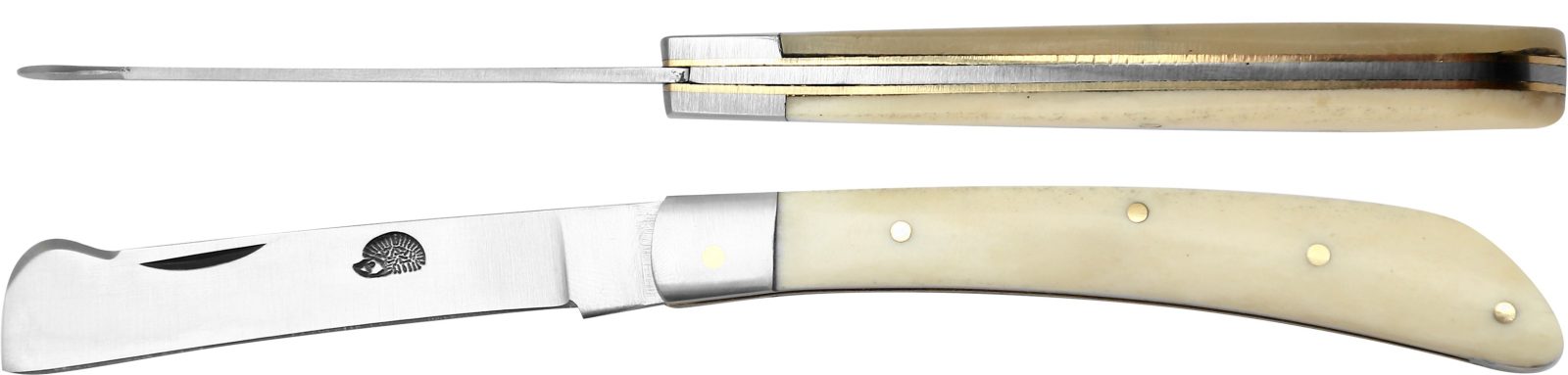
Grafting Knives Ref. 3639

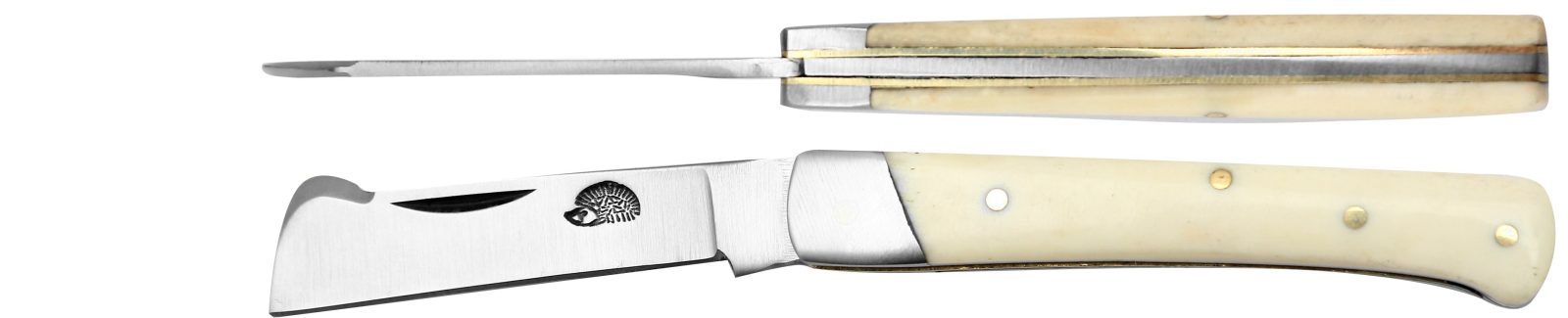
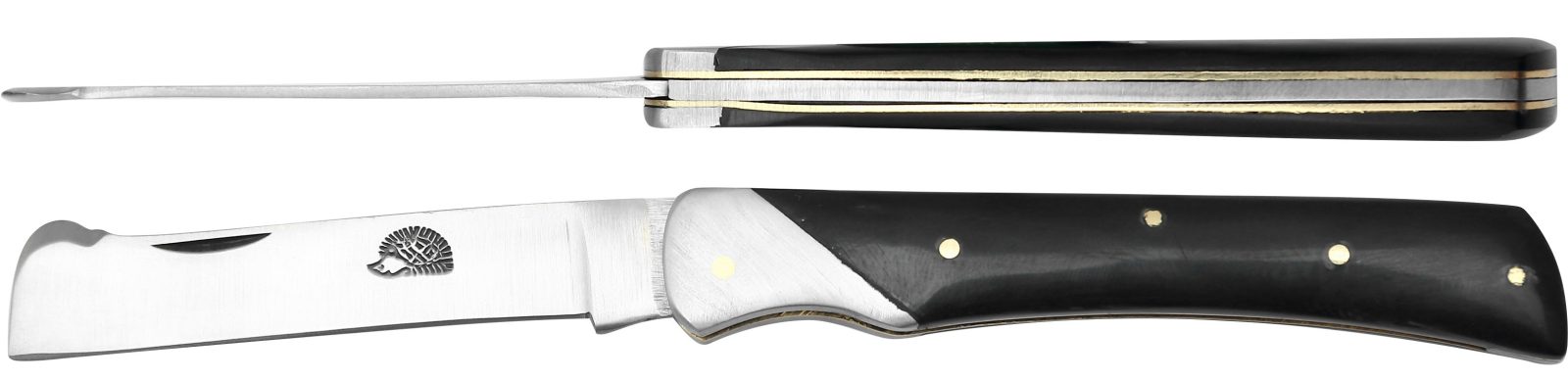
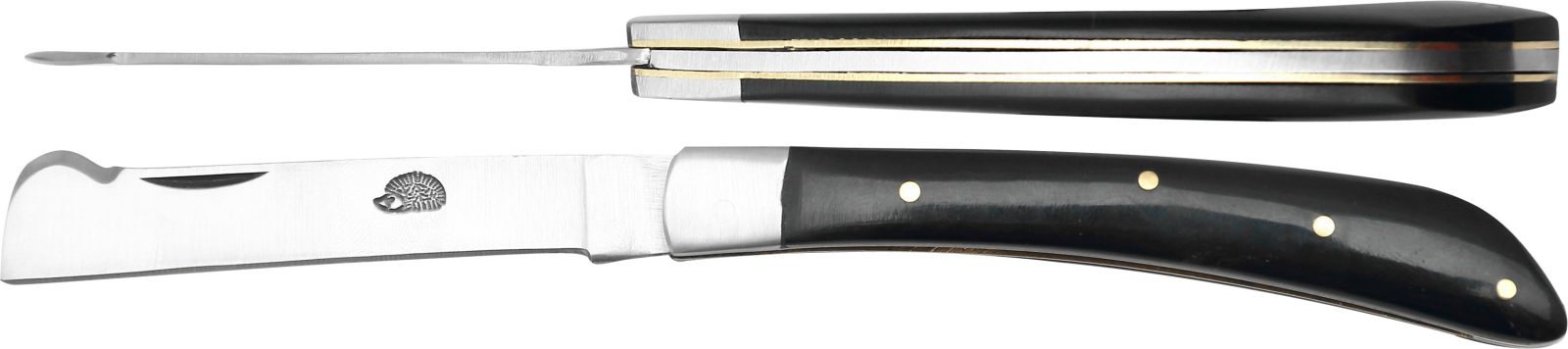
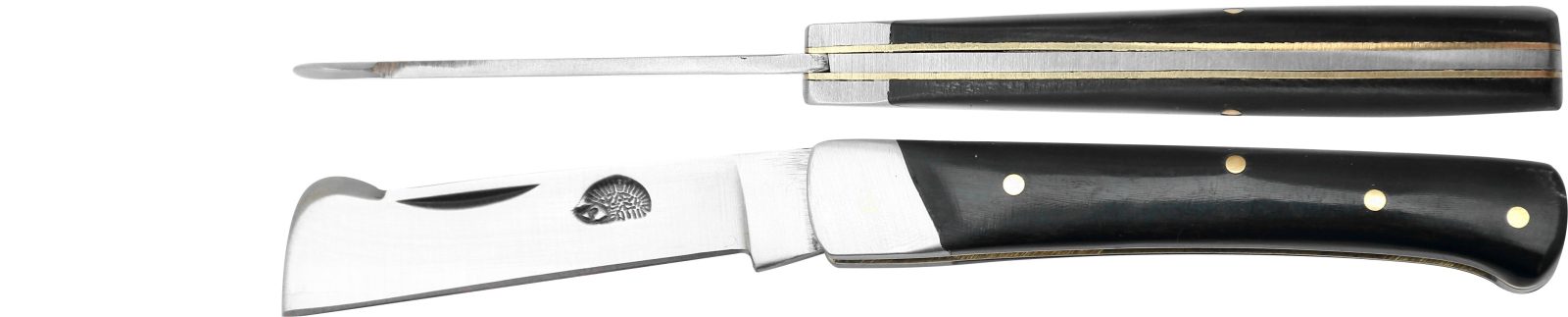
White Bone Handle Curved Grafting Knife with Bark Lifter – 10 cm Handle, Inox Bolster

This curved grafting knife has a hawksbill blade plus a bark lifter, white bone handle, inox bolster, made in Pakistan.

$5.00
Unit price. Rates are degressive by quantity, size and material.
Wholesale $3.50
Ask about this item on WhatsApp
  • Factory direct Sialkot, since 1982
  • Worldwide shipping
  • Private label on request
  • Wholesale pricing by quantity

About this knife

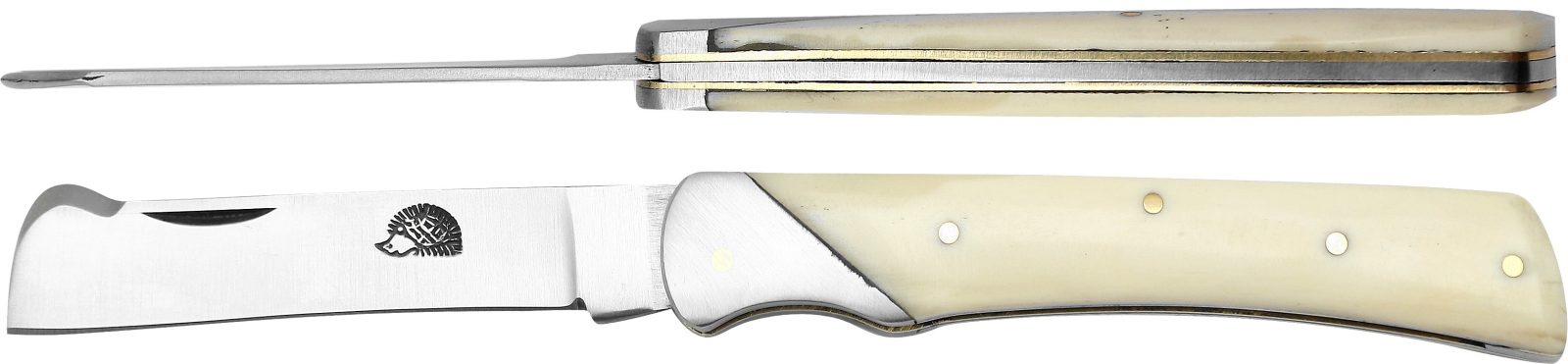
This grafting knife pairs a 7.5 cm curved hawksbill blade with a second thin, flat bark-lifting tool, both folding into a 10 cm white bone handle with a polished inox bolster. Manufactured in Pakistan, its more pronounced curve distinguishes it from the straighter-blade version in the same size. A wholesale item for retailers wanting a curved-blade grafting knife option.

Specifications

Weight
0.068 kg
Blade size (cm)
7.5
Handle size (cm)
10
Blade
Stainless steel
Handle
Bone
Bolster
Inox
Knife Notes

Know-how from our Sialkot workshop

How to use

Chip budding with a curved blade

Chip budding is done in late summer or early spring on apples, pears and plums, and the curve of this blade makes its scooping cut easy.

  1. On the budwood, make a short cut below a bud, angled down into the wood at about 45 degrees.
  2. Start a second cut above the bud and draw the curved 7.5 cm blade down behind it to meet the first, lifting out a chip that carries the bud.
  3. Cut a matching notch of the same size in the rootstock, a hand's width above the soil.
  4. Fit the chip so the green cambium layers line up on at least one side, then wrap the union completely with clear budding tape.

The bark lifter is not needed here; save it for T-buds. Success depends on a clean second cut, and a keen grafting knife makes that simple.

Sharpening

Touching up a curved edge with a round steel

The concave edge of a hawksbill wants a round sharpening surface, and a short honing rod handles most of the upkeep:

  1. Hold the rod upright with its tip resting on a folded cloth on the bench.
  2. Place the heel of the 7.5 cm blade against the rod at the angle of the existing bevel, then draw it down and towards you so the whole curve passes over it.
  3. Alternate sides, five or six light strokes each.
  4. When honing no longer brings back the bite, switch to a fine ceramic rod, which removes a little metal rather than just straightening the edge.

Wipe away any steel dust before folding the blade, and leave the bark lifter as it is: it parts bark, it does not cut.

Best uses

Where a curved bone-handled knife earns its keep

The pronounced curve of this blade draws itself into the cut while the second tool lifts bark, so this full-size Pakistan curved knife covers budding, grafting and light vineyard work from one 10 cm white bone handle.

  • Chip budding apples and pears
  • T-budding roses and stone fruit
  • Shaping scions for whip grafts
  • Cutting vine shoots and tendrils
  • Harvesting grapes and figs
  • Trimming graft ties and tape
Questions & answers

Choosing and judging the curved bone knife

How good is the quality of a Pakistan knife like this one?

Good enough to be judged on details. The 7.5 cm hawksbill blade is stainless, the bark lifter folds out on its own, and the white bone scales should meet the polished inox bolster without a step you can feel. The knife manufacturers in Pakistan clustered around Sialkot have sent folding garden knives abroad for generations, and a carefully fitted two-tool folder like this shows why.

What is the price of a curved grafting knife like this in Pakistan?

Visitors in Pakistan see the unit price in rupees (PKR) at the top of this page. Nursery chains and garden retailers ordering in volume pay a lower price per knife; tell us the quantity on WhatsApp or email and we will send a quote.

How is it different from the other 10 cm bone knife with a bark lifter?

The blade shape. This model has a more pronounced hawksbill curve, which pulls into soft wood and suits scooping cuts for budding. Its sibling has a straighter hooked blade, better for long, flat grafting cuts and light pruning.