Grafting Knives Ref. 3700

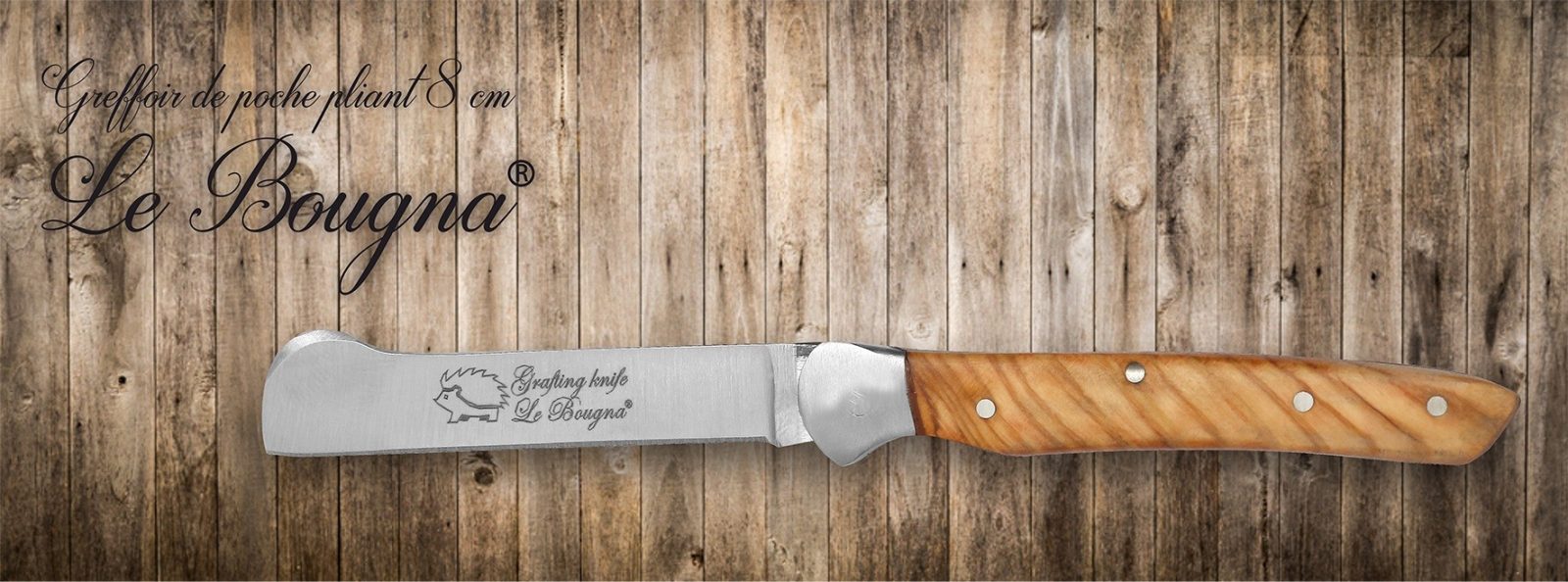
Reddish Wood Handle Flat-Blade Grafting Knife – 8 cm Handle, Brass Bolster

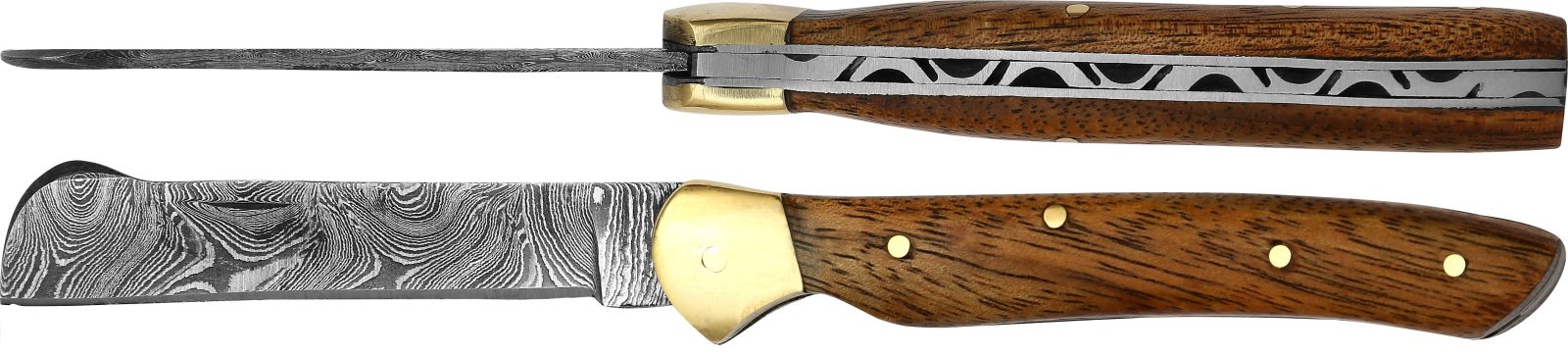
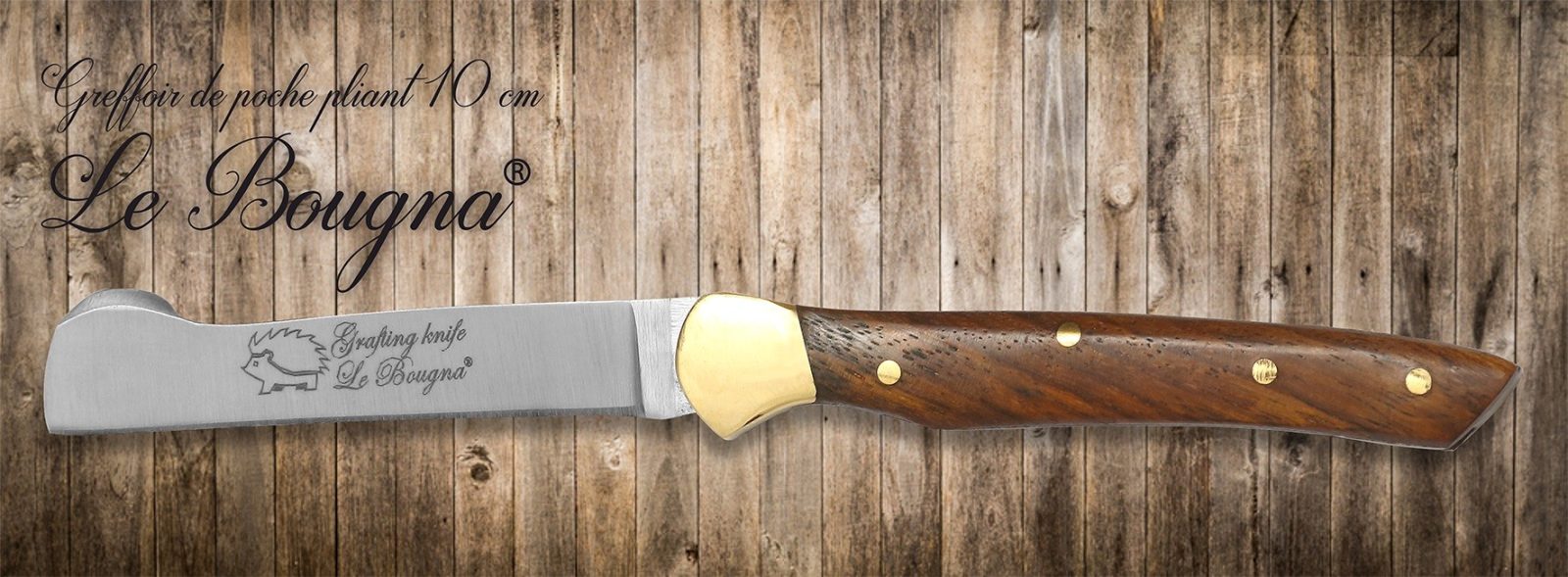
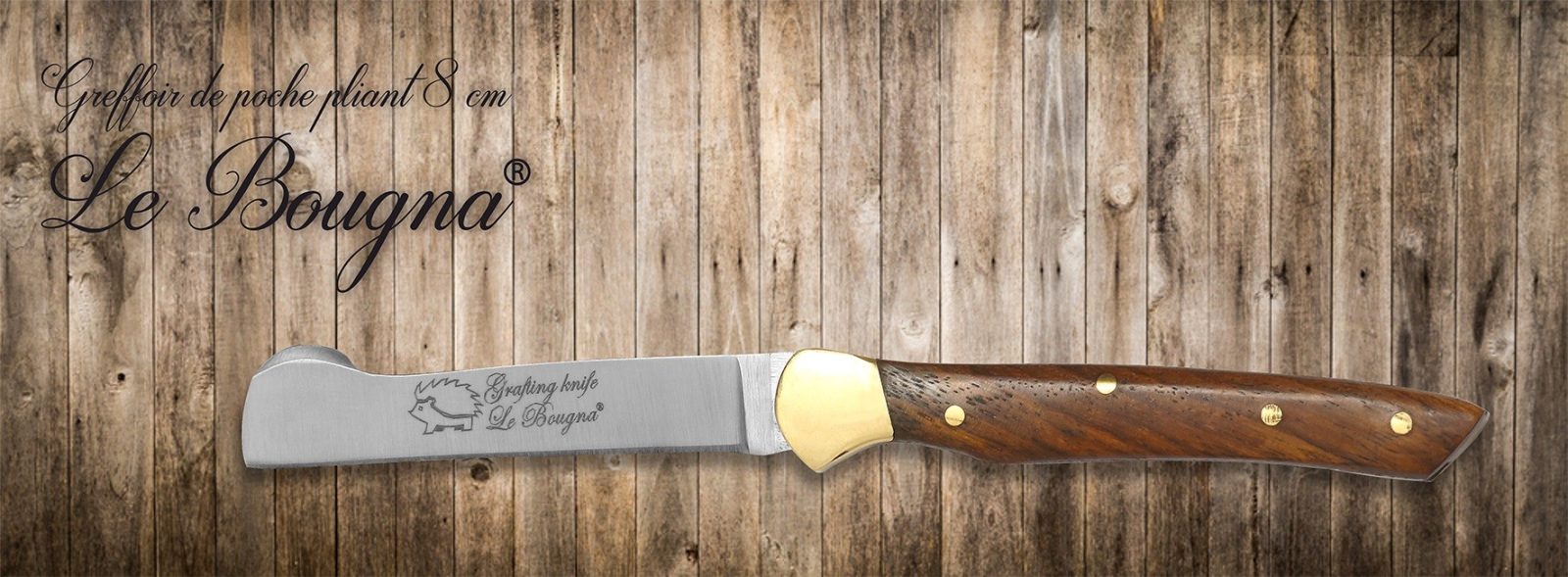
This compact flat-blade grafting knife has a reddish acacia wood handle, brass bolster, 8 cm, made in Pakistan.

$3.35
Unit price. Rates are degressive by quantity, size and material.
Wholesale $2.35
Ask about this item on WhatsApp
  • Factory direct Sialkot, since 1982
  • Worldwide shipping
  • Private label on request
  • Wholesale pricing by quantity

About this knife

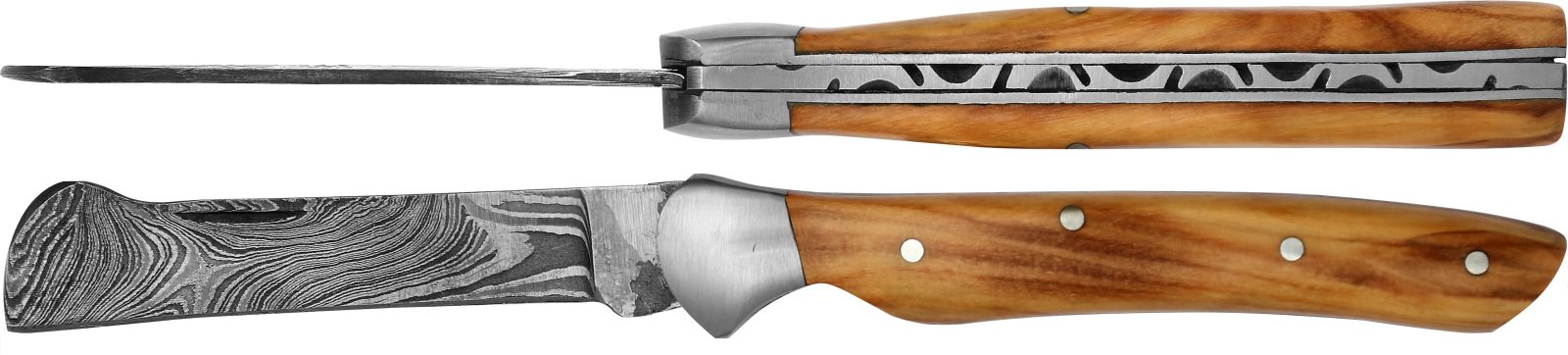
This grafting knife pairs a 6.5 cm flat, spatula-tipped blade with an 8 cm reddish acacia wood handle and a polished brass bolster, sized for compact pocket carry. Manufactured in Pakistan, the squared-off tip suits lifting bark and making clean grafting cuts. A wholesale item for retailers wanting a compact wood-handle grafting knife.

Specifications

Weight
0.043 kg
Blade size (cm)
6.5
Handle size (cm)
8
Blade
Stainless steel
Handle
Acacia wood
Bolster
Brass
Knife Notes

Know-how from our Sialkot workshop

Questions & answers

Nursery buyers' most common questions

What does this little grafting knife cost in Pakistan?

The unit price is listed at the top of the page, in rupees (PKR) for anyone browsing from Pakistan. Nurseries and farm suppliers buying for a whole grafting season usually order in bulk, and the rate per piece drops accordingly. Ask us on WhatsApp or by email for a wholesale quote.

How good is the quality of a Pakistan knife like this one?

Judge it on the details that matter for grafting. The stainless blade resists sap and damp, the polished brass bolster will not rust, and the reddish acacia handle is dense enough to stay comfortable through a long session. A Pakistan knife with a wood handle like this should arrive with the blade centred and the bolster flush; if it does, regular honing will keep it working for many seasons.

What is the squared-off tip for?

It is a bark lifter. After the T-shaped cut used in budding, the flat, spatula-like end slides under the bark and eases it open so the bud can be inserted without tearing the green layer beneath. Keep it smooth rather than sharp, so it lifts instead of cutting.

Sharpening

Honing a grafting edge until it slices cleanly

A grafting knife needs a keener edge than almost any other garden tool, because a clean, flat cut is what lets scion and rootstock knit together.

  1. Look closely at the 6.5 cm blade: if one face is completely flat, sharpen only the bevelled face and simply remove the burr from the flat side.
  2. On a fine whetstone, 1000 grit followed by 4000 or higher, keep a low, steady angle of about 20 degrees and work from heel to tip.
  3. Strop on leather until the edge slices paper without catching.
  4. Leave the squared tip smooth, and wipe off sap before folding the blade into the acacia handle.
Did you know?

Every named apple variety depends on a graft

Apples do not grow true from seed: plant the pip of a favourite variety and the tree that grows will bear quite different fruit. That is why orchards have spread named varieties by grafting for centuries, and why every tree of a famous apple is, in effect, a clone of one original seedling. The method has hardly changed: a clean cut with a sharp blade, a snug fit, and a binding to hold the union while it heals.

Quality check

Five checks before a nursery order goes on sale

Grafting knives are bought for precision, so small faults matter more here than on a general pocket knife. Open a few from each carton and check:

  • The 6.5 cm blade opens smoothly, runs straight and closes centred in the 8 cm handle.
  • The squared spatula tip is smooth, with no burr that could tear bark.
  • The polished brass bolster meets the acacia without a gap or a raised edge.
  • Looking along the edge under a light, the bevel is even from heel to tip.
  • The reddish wood is free of cracks; its shade varies naturally from piece to piece.

Buyers comparing Pakistan knives from several sources can run these checks on any folding pattern in minutes.