
Grafting Knives Ref. 3727

Glossy Black Handle Grafting Knife – 10 cm Handle, Brass Bolster

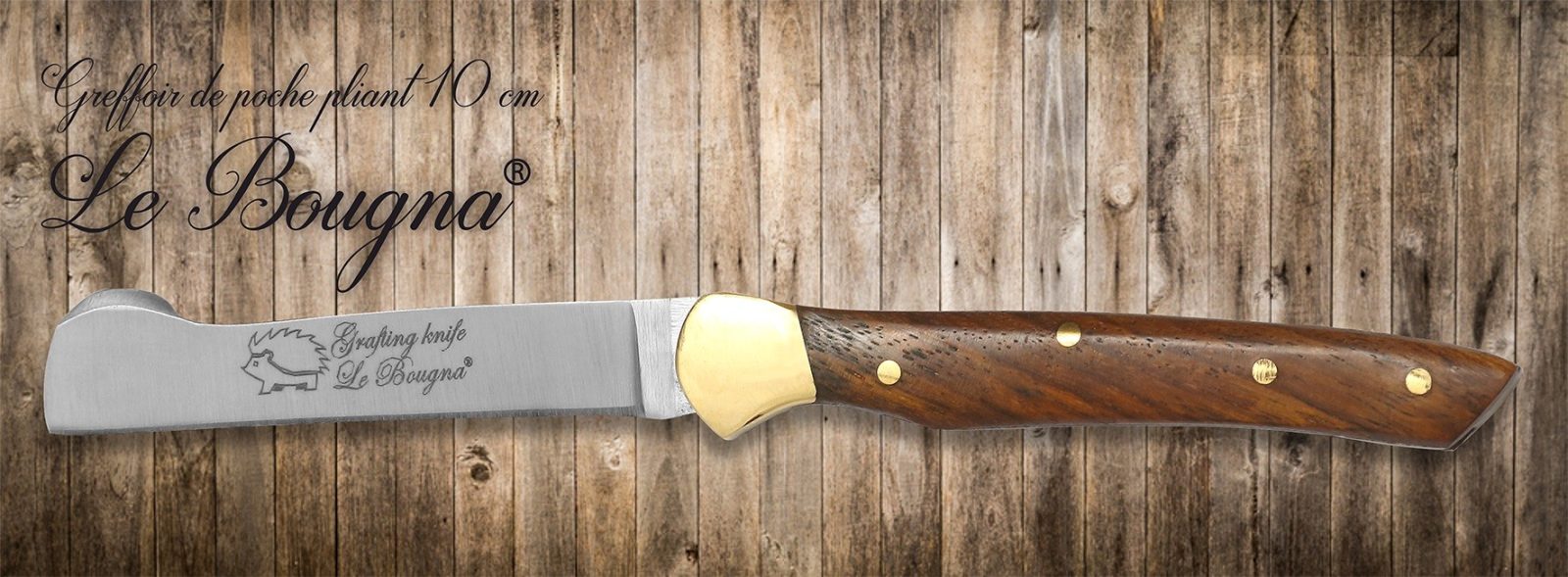
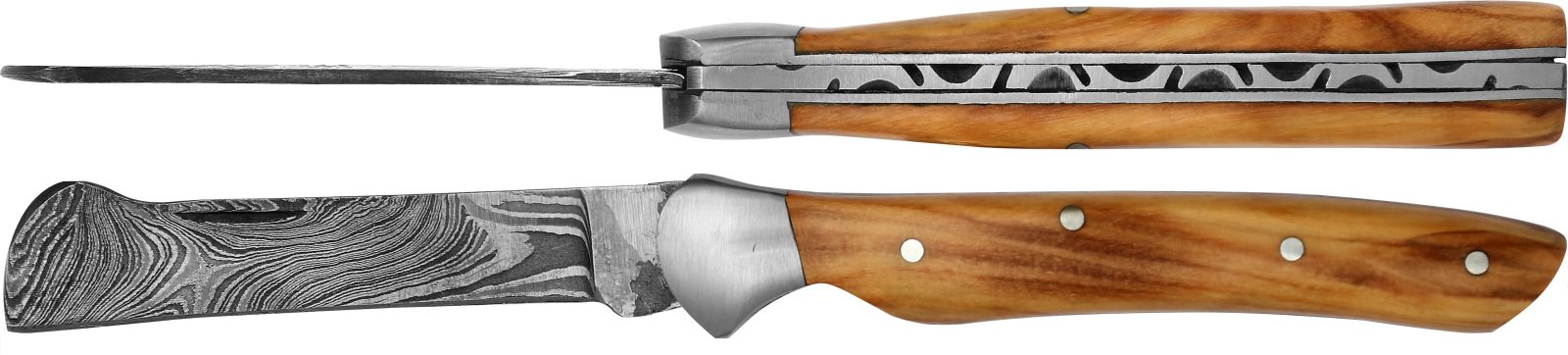
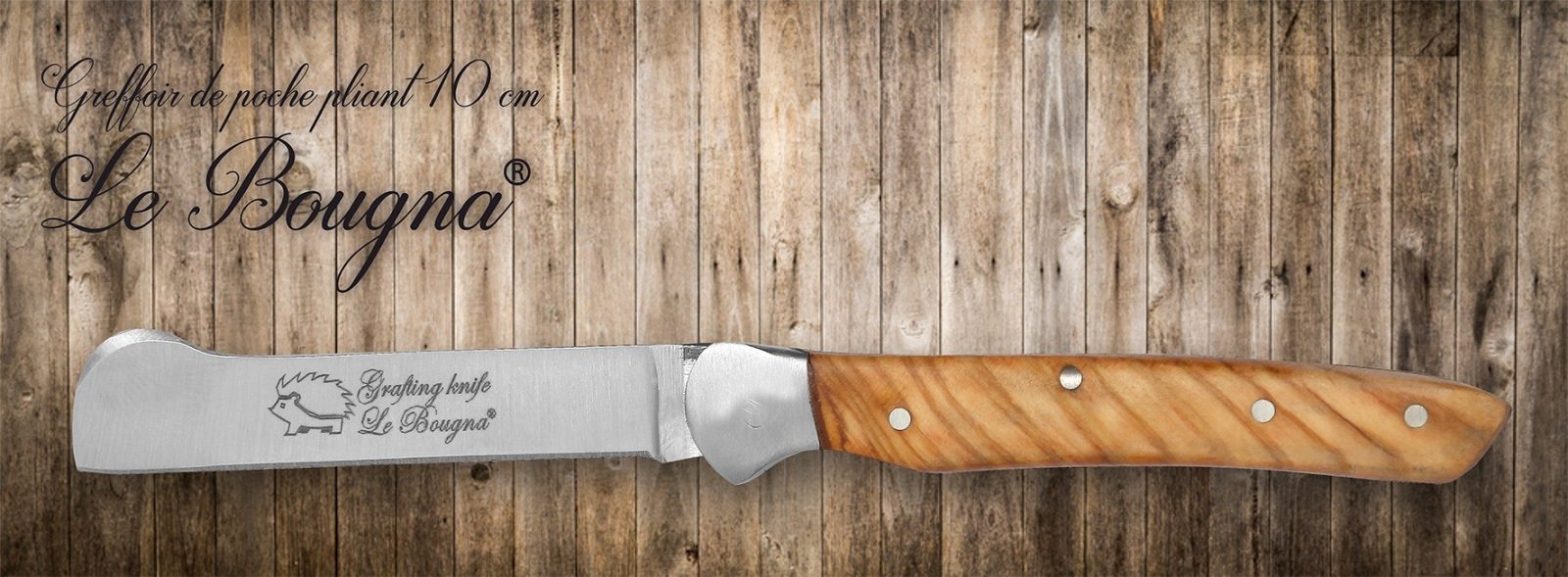
This grafting knife has a straight blade and glossy black handle, brass bolster, 10 cm, made in Pakistan.

$3.60
Unit price. Rates are degressive by quantity, size and material.
Wholesale $2.52
Ask about this item on WhatsApp
  • Factory direct Sialkot, since 1982
  • Worldwide shipping
  • Private label on request
  • Wholesale pricing by quantity

About this knife

This grafting knife pairs an 8.5 cm straight blade with a 10 cm glossy black ABS handle and a polished brass bolster. Manufactured in Pakistan, its durable synthetic handle suits retailers wanting a low-maintenance full-size grafting knife. A wholesale item for retailers targeting affordable orchard tools.

Specifications

Weight
0.071 kg
Blade size (cm)
8.5
Handle size (cm)
10
Blade
Stainless steel
Handle
ABS black
Bolster
Brass
Knife Notes

Know-how from our Sialkot workshop

Questions & answers

Full-size, black-handled: practical questions

How good is the quality of a Pakistan knife like this one?

Solid for everyday grafting. The 8.5 cm stainless blade is long enough for splice and cleft cuts on orchard wood, the brass bolster gives a firm front stop for the fingers, and the glossy black ABS handle tolerates rain, sap and rough handling without swelling. When the knife arrives, check that the blade opens smoothly and sits centred when closed; those two details reveal most about the build.

What is the price of this stainless Pakistan knife?

The price per knife is listed at the top of this page, displayed in rupees (PKR) for visitors in Pakistan. For orchard crews, cooperatives and agricultural shops ordering in bulk, the per-knife rate goes down with volume: ask for a quote on WhatsApp or by email.

Is this model a good choice for a team of grafters?

Yes. The ABS handle needs no oiling and looks the same on every knife, so a set of them stays uniform across a nursery crew. Ordering the matching 8 cm black model as well lets workers with smaller hands choose the size that suits them.

Made in Sialkot

From steel blank to brass bolster, the Sialkot way

Sialkot's cutlery workshops have built folding knives for export for generations, and a grafting knife follows broadly the same sequence as most of them. The stainless blade is cut from sheet, hardened, ground to a fine edge and polished. A brass bolster is fitted at the front of the handle, where it reinforces the area around the pivot, and the moulded ABS scales are fixed in place before the blade is pinned.

Finishing takes much of the time: buffing the brass, bringing the black ABS to a gloss and adjusting the action so the 8.5 cm blade swings smoothly. The result is a grafting knife that asks for little maintenance, and a Pakistani knife built for working orchards rather than display cabinets.

Care & maintenance

Simple upkeep for ABS, brass and a sappy blade

A full-size knife used daily through the grafting season collects more grime than a pocket knife, so a short routine pays off.

  • Wipe the blade between trees with a cloth moistened in alcohol, which also stops diseases travelling from one tree to the next.
  • Once a week in season, open the knife fully and brush soil and bark fragments out of the joint with an old toothbrush.
  • Add one drop of light machine oil at the pivot and work the blade a few times.
  • Wash the glossy ABS with soapy water; keep solvents such as acetone away from it, as they soften and dull the plastic.
  • Polish the brass bolster only if you want it bright, since the brown patina does no harm.
Sharpening

Restoring a straight 8.5 cm edge on whetstones

  1. Check whether the blade is bevelled on both faces or mainly on one. Grafting knives are often sharpened with a flat back; if yours is, keep that face flat on the stone and sharpen only the bevelled side.
  2. Start on a medium stone of around 800 grit, at a shallow angle of roughly 15 to 20 degrees, sweeping from the bolster to the tip.
  3. Move to a fine stone, 3000 grit or above, and refine the edge with lighter strokes until the burr is barely perceptible.
  4. Remove the burr with one light pass on the flat face, then strop.
  5. Test on a willow shoot: the cut face should shine.

A stainless Pakistan knife of this type sharpens quickly, so a few minutes on the stone each month of the season is enough.