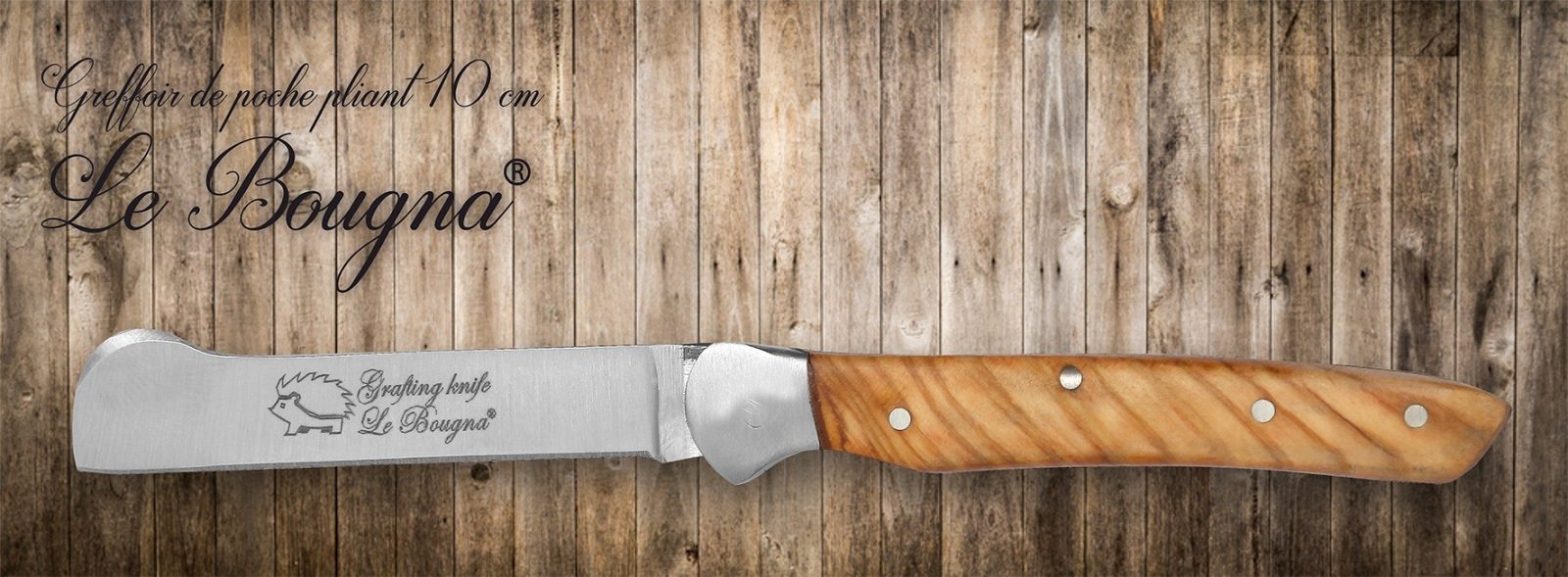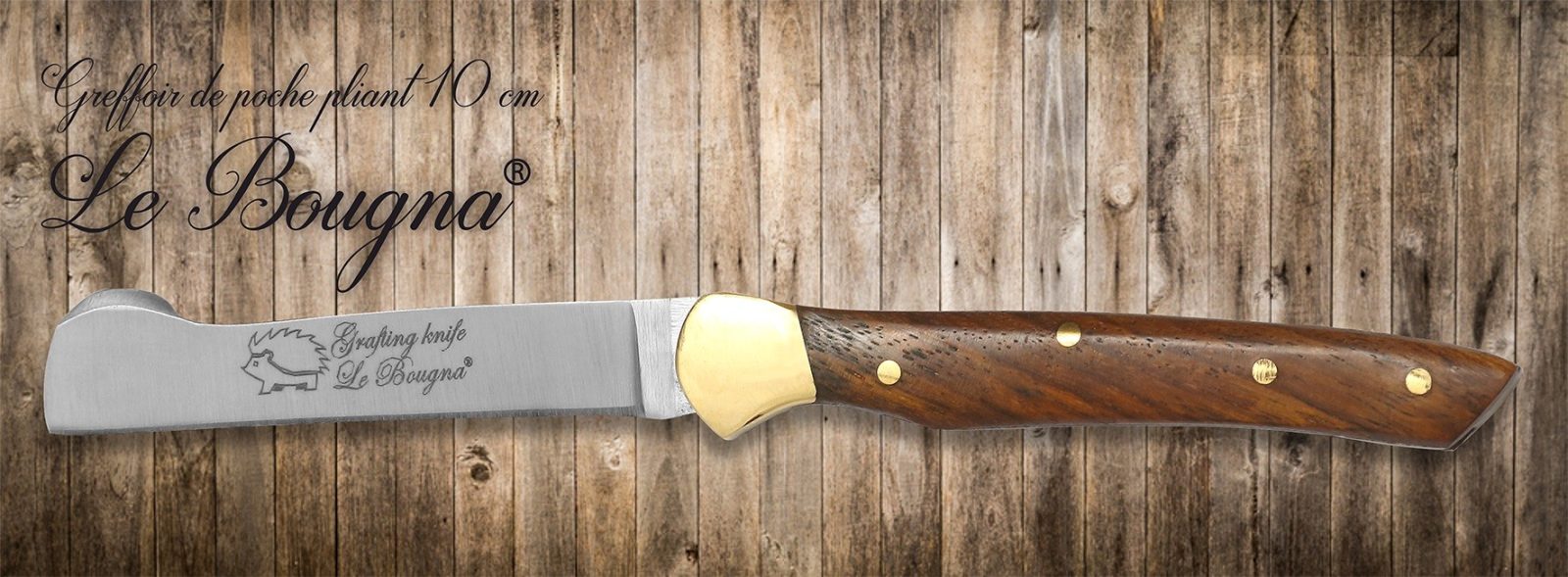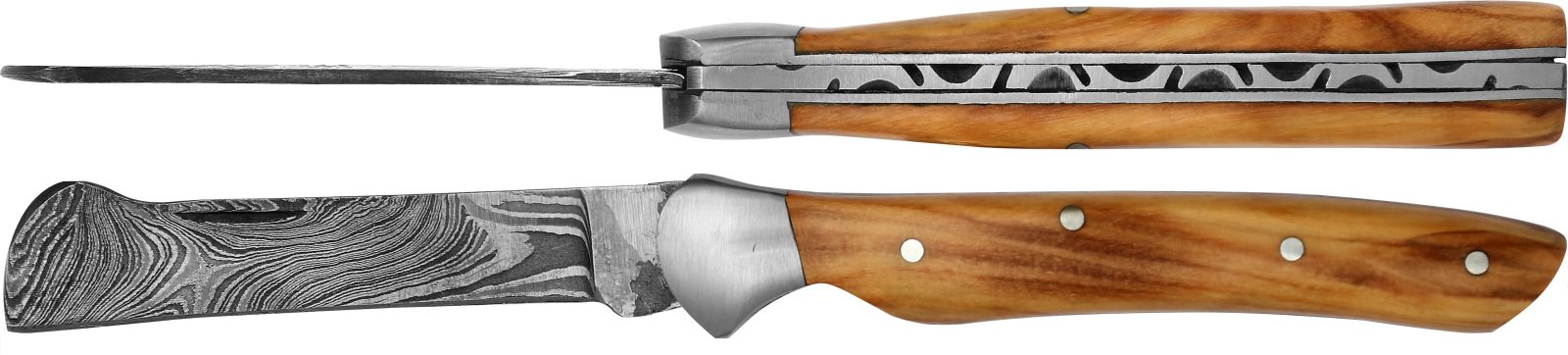

Grafting Knives Ref. 3732

Tapered Blade Grafting Knife with Black Horn Handle – 10 cm Handle, Brass Bolster

This grafting knife has a tapered blade and glossy black horn handle, brass bolster, 10 cm, made in Pakistan.

$4.35
Unit price. Rates are degressive by quantity, size and material.
Wholesale $3.05
Ask about this item on WhatsApp
  • Factory direct Sialkot, since 1982
  • Worldwide shipping
  • Private label on request
  • Wholesale pricing by quantity

About this knife

This grafting knife combines an 8.5 cm tapered blade with a 10 cm glossy black horn handle and a polished brass bolster. Manufactured in Pakistan, its dark, polished finish rounds out the full-size grafting knife range. A wholesale item for retailers wanting a horn-handle grafting knife option.

Specifications

Weight
0.077 kg
Blade size (cm)
8.5
Handle size (cm)
10
Blade
Stainless steel
Handle
Horn black
Bolster
Brass
Knife Notes

Know-how from our Sialkot workshop

Questions & answers

Horn handle, tapered blade and price explained

Are Pakistan knives any good?

This model is a good example of what they do well. The 8.5 cm stainless blade is tapered for fine slicing, the glossy black horn handle is a natural material with real depth of colour, and the brass bolster finishes it neatly. Horn is a traditional handle material for folding knives, and well-made Pakistan knives like this one are working tools first, good looks second.

How much does this horn-handled folding knife cost in Pakistan?

At the top of this page you will find the price for one knife, in rupees (PKR) if you are in Pakistan, and you can order it over WhatsApp. Retailers and orchard suppliers ordering several get a degressive wholesale rate; send the quantity by email or WhatsApp.

What does a tapered blade change?

A tapered blade grows thinner towards the edge and the tip, so it passes through wood with less wedging. For grafting, that means cleaner, flatter cut faces on scions, with less force. The trade-off is a finer edge that should be honed gently and never used to pry.


Care & maintenance

Oil, not water, for a black horn handle

Horn is made of keratin, so it behaves more like a fingernail than like wood: it can dry out and crack in heat, and swell if soaked.

  • Never leave this grafting knife in water or put it through a dishwasher; wipe the horn with a damp cloth and dry it at once.
  • Rub a drop of mineral oil into the horn a few times a year to keep its gloss and stop it drying out.
  • Keep it away from radiators, car dashboards and other hot places.
  • Polish the brass bolster with a soft cloth, keeping metal polish off the horn.
  • Clean sap from the 8.5 cm tapered blade straight after use: on a thin edge, residue makes cuts tear rather than slice.
Sharpening

Light pressure for a thin, tapered edge

A tapered blade is thin behind the edge, so it sharpens quickly and is easily overdone.

  1. Skip coarse stones unless the edge is chipped: a fine water stone of around 3000 grit is usually all it needs.
  2. Hold a low angle, around 15 degrees, and use light pressure, letting the stone do the work along the full 8.5 cm.
  3. Keep stone slurry and water off the horn handle; wrap it in a cloth if needed.
  4. Finish with a few passes on a leather strop to remove the burr.

Treated gently, this Pakistan folding knife keeps a slicing edge through the whole grafting season with only occasional touch-ups.

Did you know?

Lanterns once had windows of horn

Before glass was cheap, lanterns were often glazed with thin sheets of horn, softened by heat and pressed flat until light glowed through them. The old English spelling lanthorn comes from that practice. The same material, polished rather than thinned, forms the glossy black 10 cm handle of this knife, which at 77 g sits solidly in the hand.