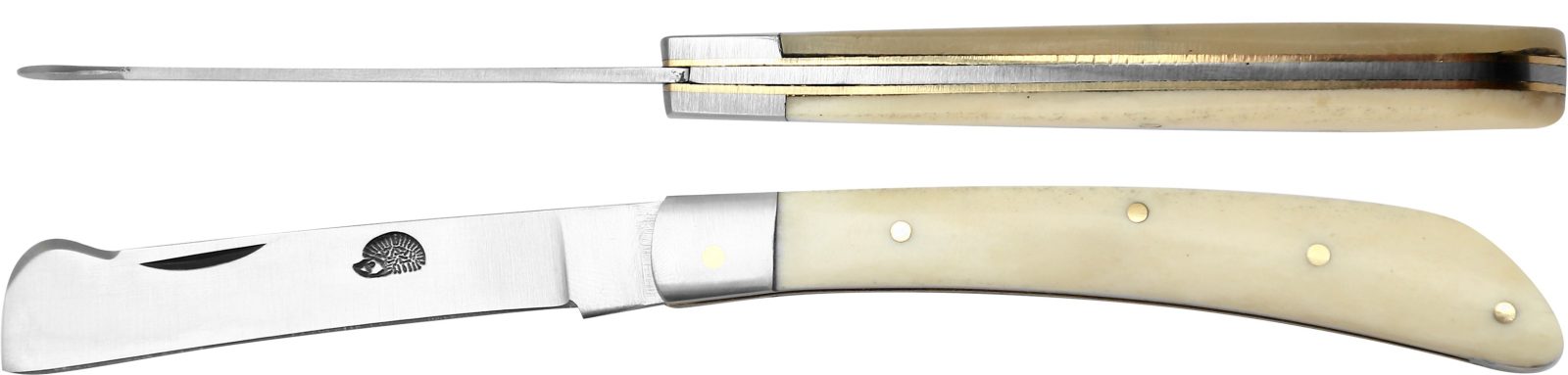

Grafting Knives Ref. 3631

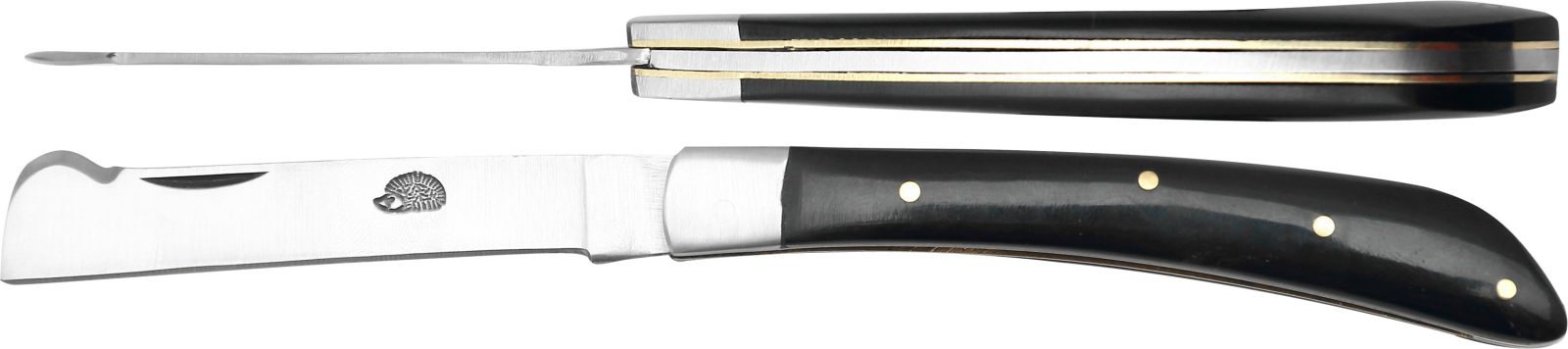
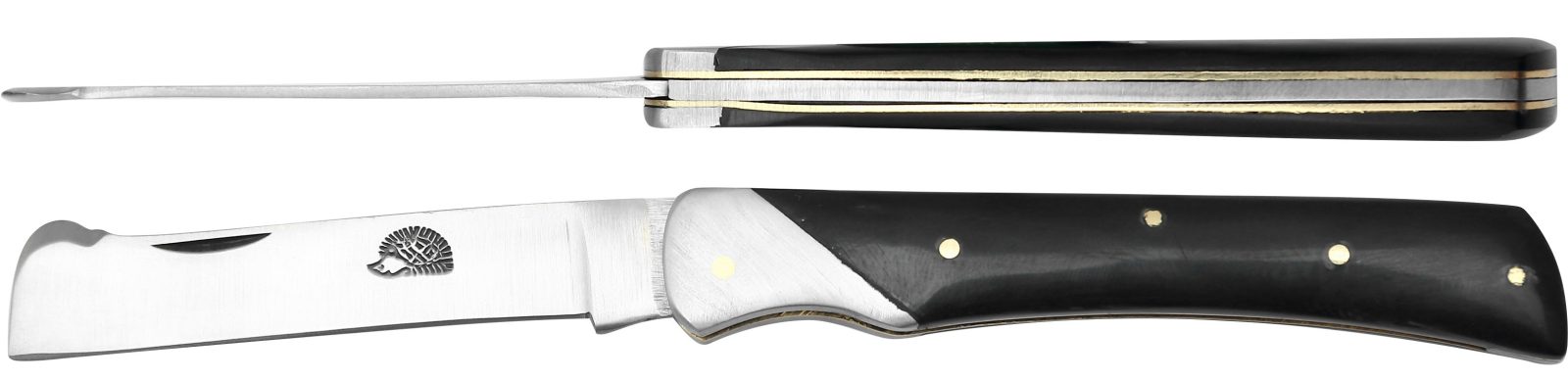
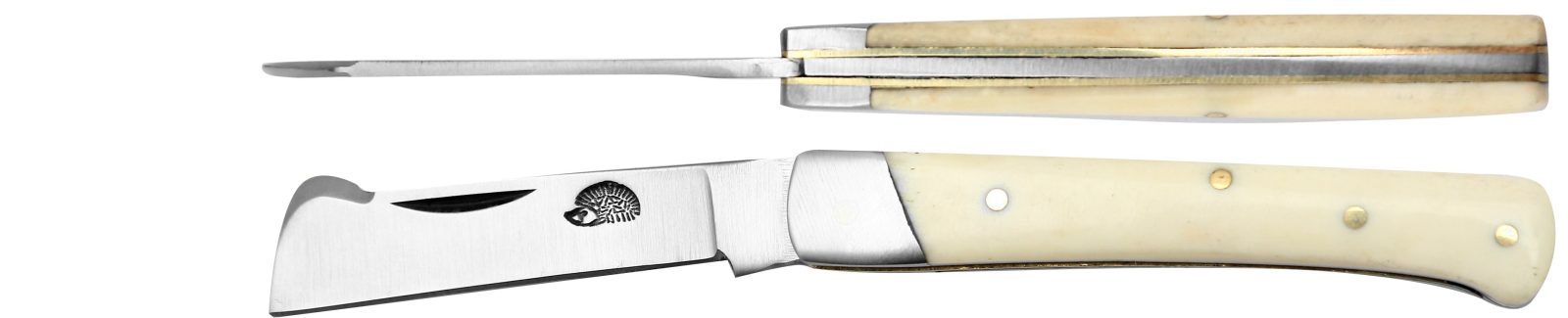
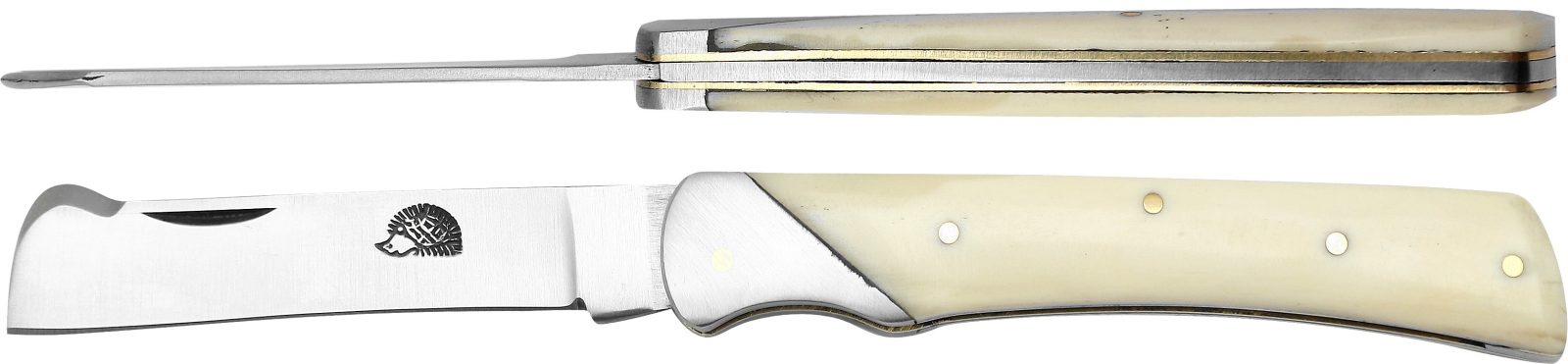
Teak Wood Handle Grafting Knife – 8 cm Handle, Inox Bolster

This grafting knife has a flat spatula-tip blade and teak wood handle, inox bolster, made in Pakistan.

$3.38
Unit price. Rates are degressive by quantity, size and material.
Wholesale $2.37
Ask about this item on WhatsApp
  • Factory direct Sialkot, since 1982
  • Worldwide shipping
  • Private label on request
  • Wholesale pricing by quantity

About this knife

This grafting knife pairs a 5.5 cm flat, spatula-tipped blade with an 8 cm teak wood handle and a polished inox bolster. Manufactured in Pakistan, the squared-off tip suits lifting bark and making clean grafting cuts rather than pruning. A wholesale item for retailers targeting orchard and vineyard grafting customers.

Specifications

Weight
0.04 kg
Blade size (cm)
5.5
Handle size (cm)
8
Blade
Stainless steel
Handle
Teak wood
Bolster
Inox
Knife Notes

Know-how from our Sialkot workshop

Questions & answers

Grafting questions from nursery buyers

Are Pakistan knives any good?

The best of them are, and a grafting knife makes them easy to judge. Sialkot has supplied cutting tools to buyers abroad for generations, and on this model the essentials take a minute to check: the 5.5 cm stainless blade should take a keen edge, the teak should sit flush against the inox bolster, and the blade should open and close without wobble. Well-made Pakistan knives pass all three without fuss.

What does a grafting knife like this cost in Pakistan?

Visitors browsing from Pakistan see the price per piece in rupees (PKR) at the top of this page. Garden shops and nurseries ordering a box or more pay less per knife, so send us the quantity on WhatsApp or by email and we will quote a wholesale rate.

Can I use it for pruning as well?

It is happiest grafting. The squared-off tip slides under bark and the short flat blade leaves clean, level faces on scion wood, but cutting back thick branches calls for a hooked edge. For that, the larger teak-handled model in the range with a hooked blade makes the better partner.

Sharpening

Squared tip, keen edge: a whetstone routine

A graft only takes if the two cut faces meet cleanly, so the edge matters more here than on almost any other garden tool.

  1. Lay the 5.5 cm blade on a fine whetstone, around 1000 grit, and follow the bevel already ground on the edge rather than inventing a new one; for fine garden work an angle of about 15 to 20 degrees is usual.
  2. Draw the edge across the stone in light, even strokes from the bolster end to the tip, keeping the angle steady instead of pressing hard.
  3. Treat the squared corner gently. Rounding it off spoils the very point that slips under bark.
  4. Finish on a leather strop, then slice a sheet of paper: a well-honed grafting knife glides through without catching.
Pro tip

Rehearse the cut on willow first

Before touching valuable scion wood, make a dozen practice cuts on willow or hazel shoots about as thick as a pencil. Aim for one long, flat, slanting face made in a single smooth draw, with the fingers of your holding hand kept well behind the line of the blade. The short 5.5 cm blade and 8 cm teak handle keep the knife close to the hand, so the rhythm comes quickly.

Did you know?

One seedling, millions of Granny Smith trees

Apple pips do not grow true to their parent, so named varieties survive only by grafting. Every Granny Smith tree in the world descends from a single chance seedling found near Sydney in the 1860s, multiplied one scion at a time. Nurseries still raise it the same way, and a compact Pakistan knife with a wood handle, such as this teak model, is the kind of tool that work relies on.