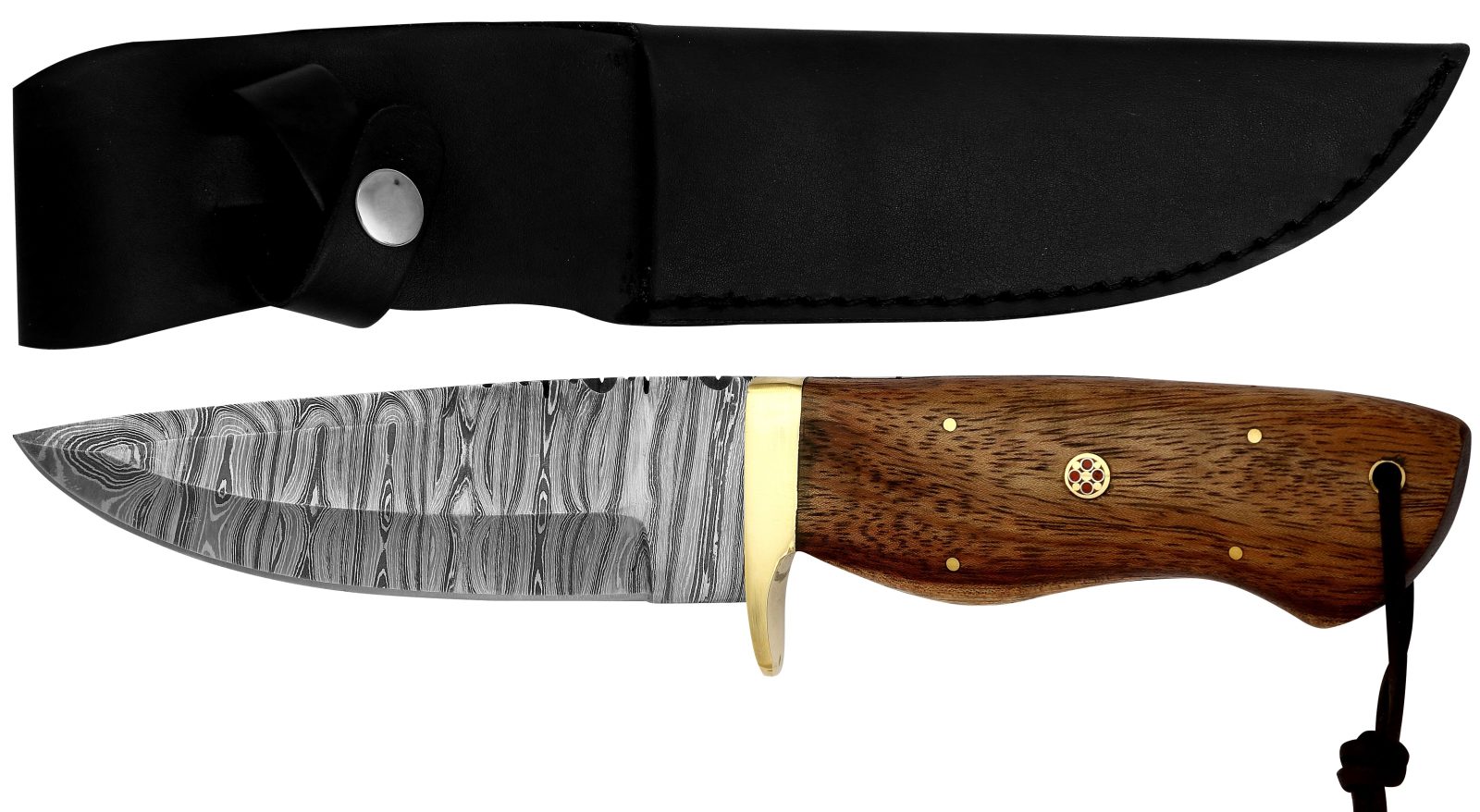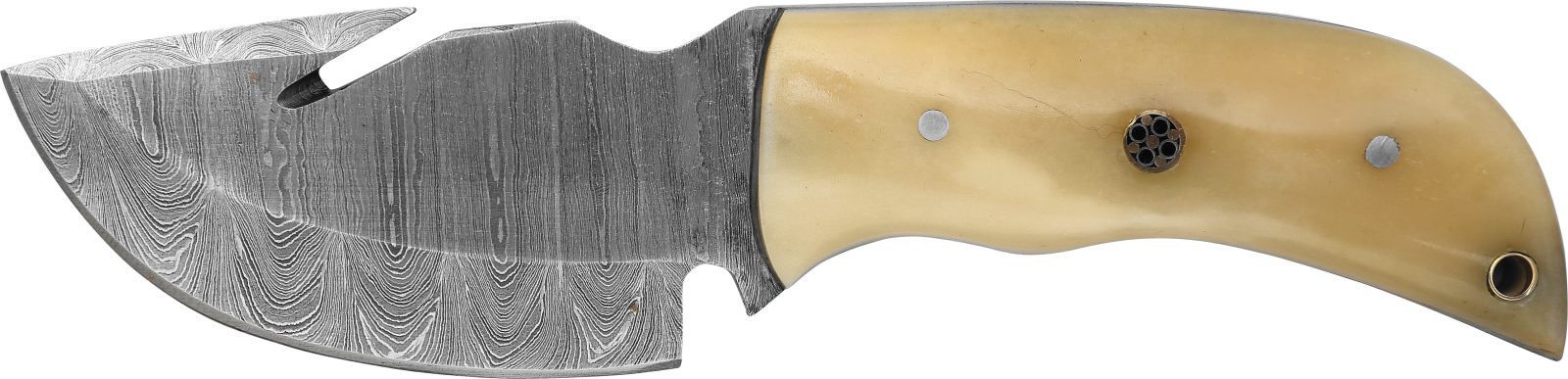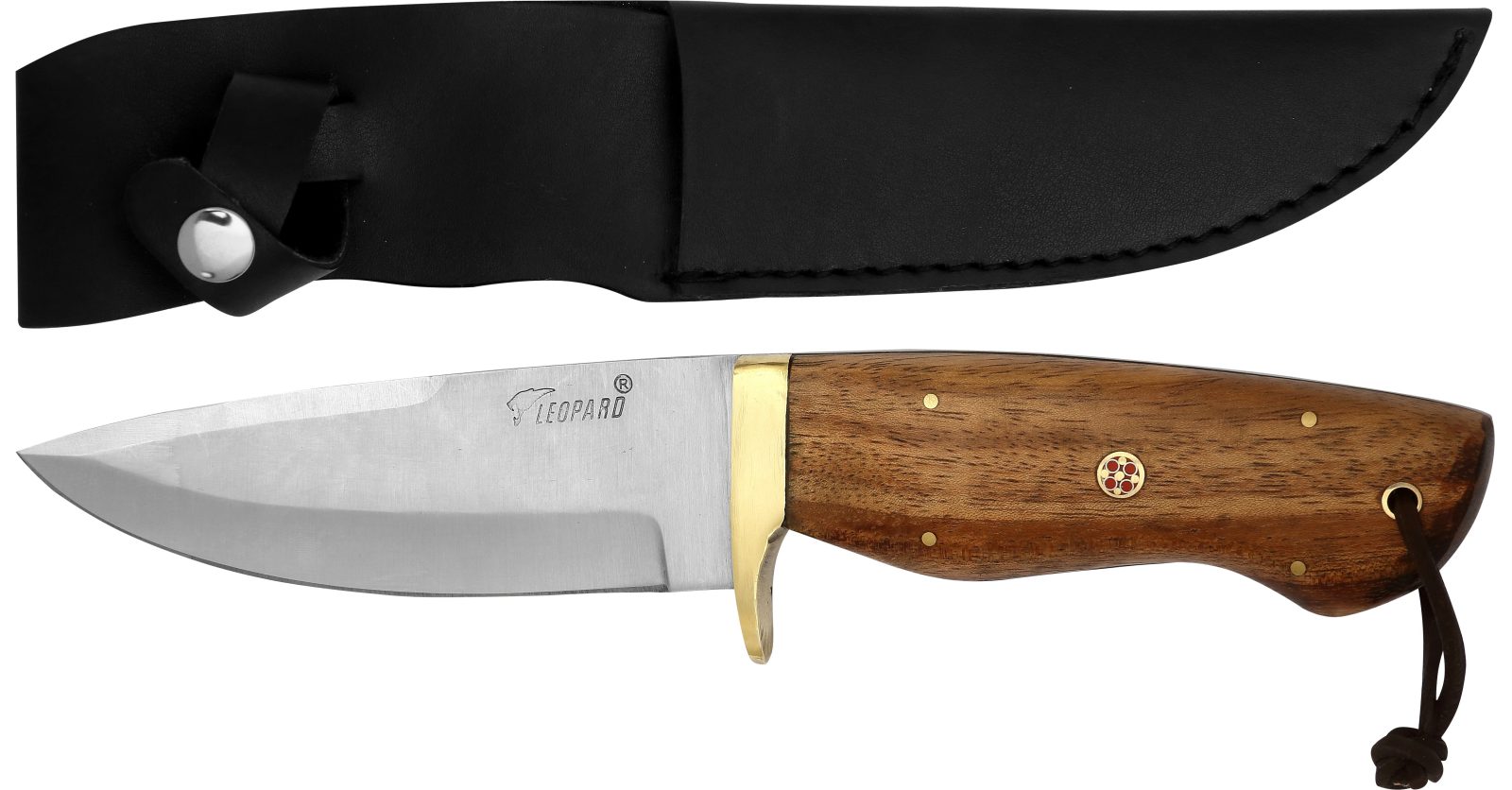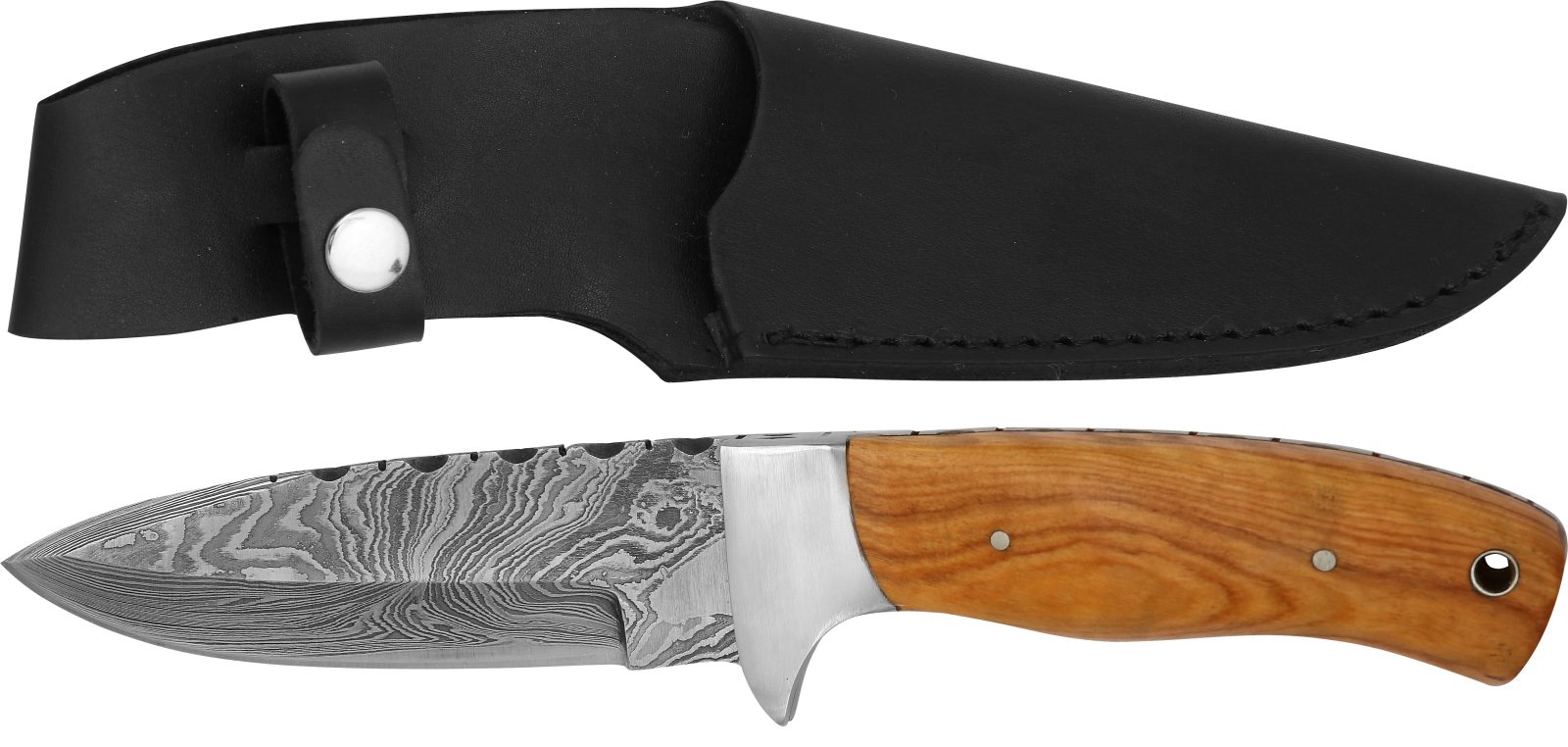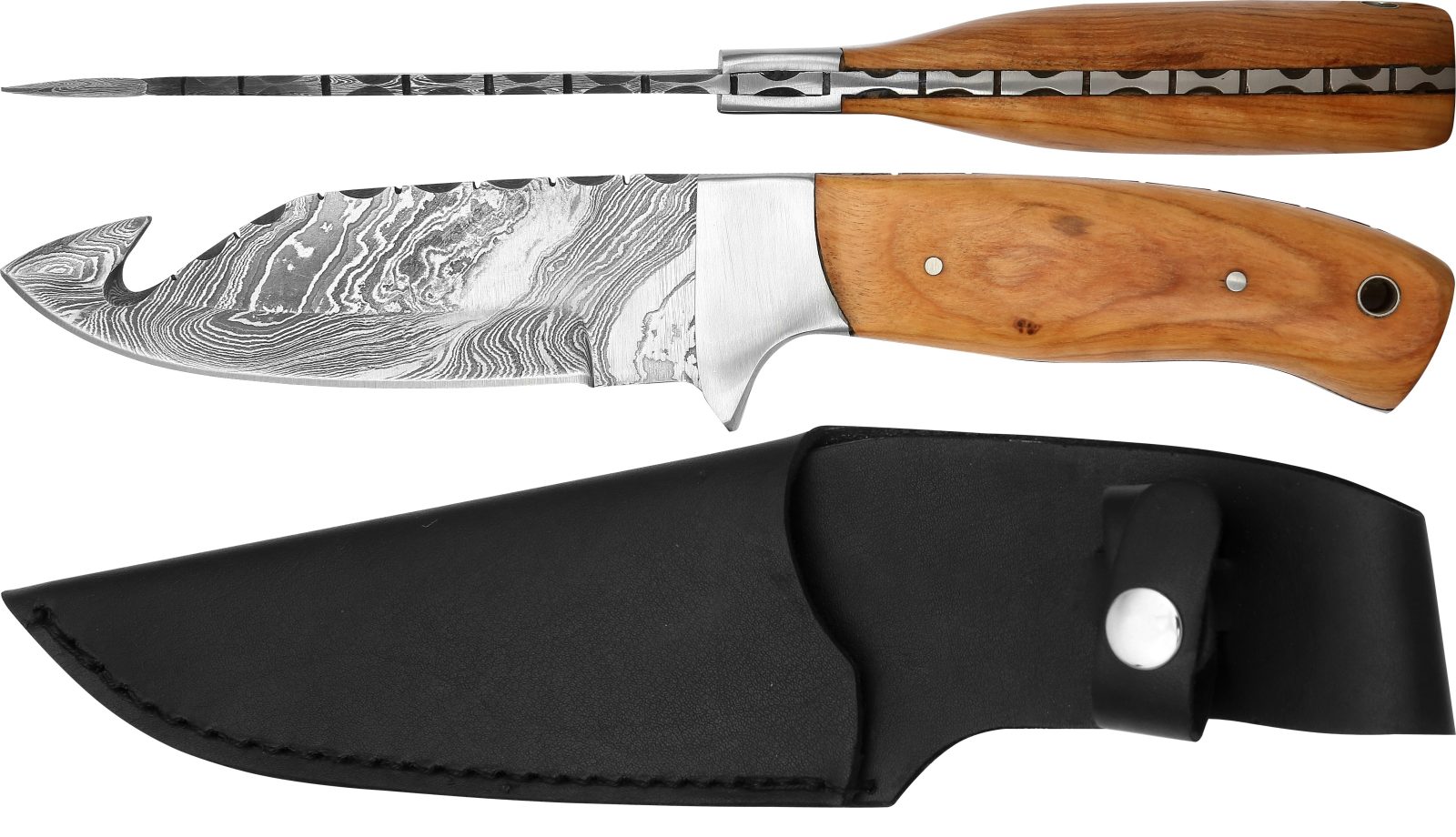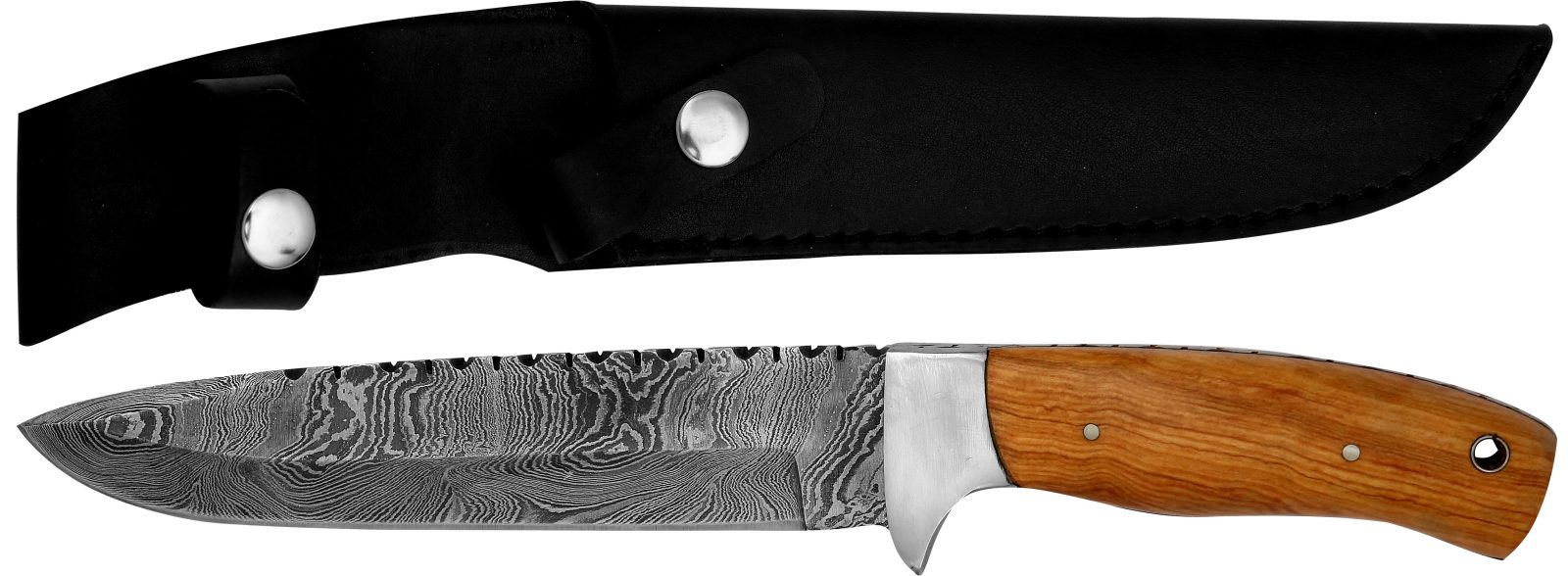
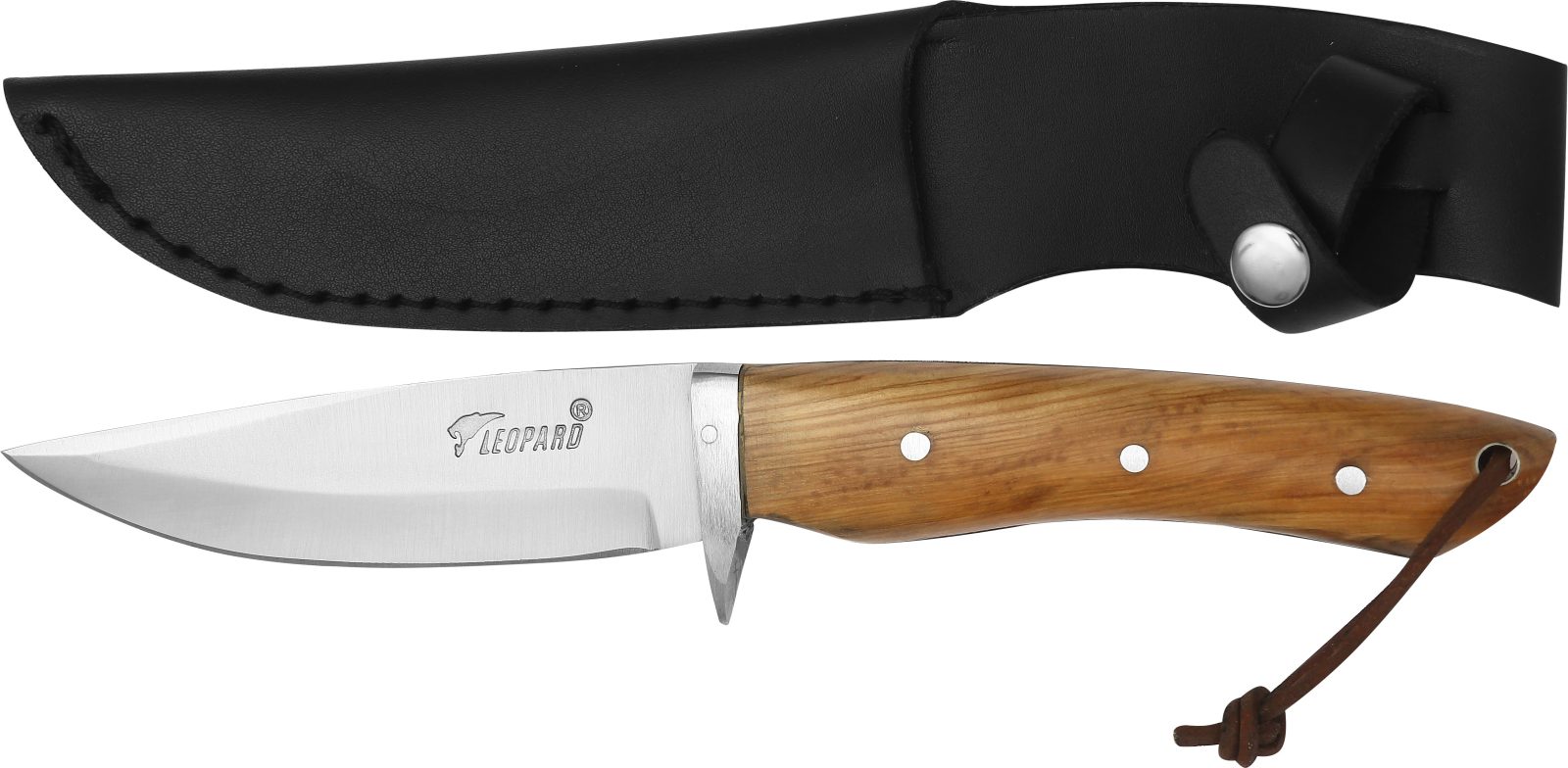
Fixed Blade Knife with Olive Wood Handle – 13 cm Handle, Inox Bolster, Leather Case Included

This fixed-blade knife has an olive wood handle and inox bolster, 13 cm handle, 11.5 cm blade, leather case included, made in Pakistan.

$7.88
Unit price. Rates are degressive by quantity, size and material.
Wholesale $5.52
Ask about this item on WhatsApp
  • Factory direct Sialkot, since 1982
  • Worldwide shipping
  • Private label on request
  • Wholesale pricing by quantity

About this knife

This fixed-blade knife pairs an 11.5 cm stainless steel blade with a 13 cm olive wood handle and a polished inox bolster, for a 24.5 cm overall length. Manufactured in Pakistan, it ships with its own leather belt case for hunting and outdoor use. A dependable wholesale item for retailers stocking a natural-wood fixed-blade range.

Specifications

Weight
0.432 kg
Blade size (cm)
11.5
Handle size (cm)
13
Blade
Stainless steel
Handle
Teak wood
Bolster
Inox
Included
Leather case
Total length (cm)
24.5
Knife Notes

Know-how from our Sialkot workshop

Care & maintenance

Three materials, one simple care routine

This Pakistan fixed blade knife combines materials that each need something slightly different:

  • Olive wood: dense and naturally oily, but it can crack if left to dry beside a heater. A few drops of food-safe oil every couple of months keep the 13 cm handle supple and bring up the grain.
  • Stainless blade: rinse and dry the 11.5 cm blade after use, especially after fruit or fish; stainless resists rust, but salt and acid left on it can still stain.
  • Inox bolster: a wipe with a soft cloth keeps it bright, no product needed.
  • Leather case: let it dry naturally if it gets wet, and keep the knife out of it during long storage.
The story

Centuries-old olive trees and the handles they give

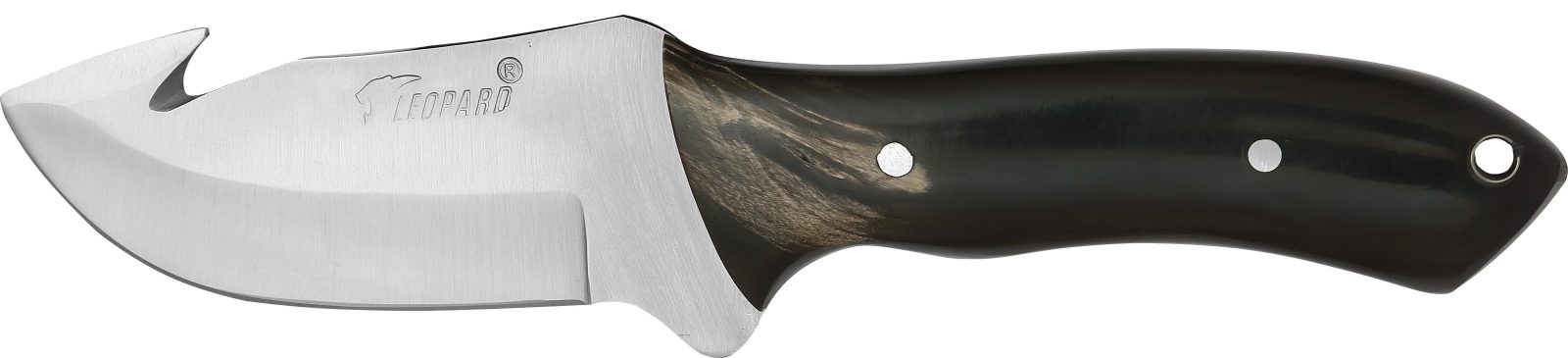
Olive trees can live for many centuries, and some Mediterranean trees are thought to be well over a thousand years old. The wood grows slowly, packed with natural oils, and forms the dramatic swirls and dark streaks that make every piece different. Craftsmen have shaped it into bowls, spoons and handles since antiquity, and much of the timber today comes from pruning and from old trees that no longer bear fruit well, rather than from felling healthy groves.

On this knife, olive wood forms a 13 cm handle, a little longer than the 11.5 cm blade, which leaves room for a full grip. Paired with a polished inox bolster and a stainless Pakistani blade, it is the knife in this range that looks as much at home in a farmhouse kitchen as at camp.

Questions & answers

Grip size, quality and price explained

How good is the quality of a Pakistan knife like this one?

Check three things on arrival and you will know. The edge should be evenly ground along the 11.5 cm blade, the inox bolster should meet the olive wood with no gap, and the knife should sit firmly in its leather case. Being a stainless Pakistan knife, it also forgives the odd evening when it goes back into the case without being dried, though that is no habit to get into.

What is the price of this stainless knife in Pakistan?

Shoppers in Pakistan see it priced per piece, in rupees (PKR), at the top of the page. For a shop order, the price per knife comes down with quantity: tell us on WhatsApp or by email how many you would like.

Who is the 13 cm handle best for?

People with larger hands, or anyone who works in gloves. The longer handle leaves room for all four fingers behind the bolster even in winter gloves, while the blade stays compact and easy to control.

Display & retail

Building a wood-handle line-up around this model

Customers rarely choose a fixed blade by its steel alone; they buy the handle they like. Use this olive wood model as the centre of a small run of knives in different woods, arranged from light to dark: olive, golden teak, then rich acacia. Set them on an angled rack at the same height, so the wood is the only difference the eye notices.

A shelf card giving the 24.5 cm overall length and mentioning the leather case answers the two questions buyers ask most. In spring, put the run next to camping gear; in late autumn, move it to the gift table.