Pruning Knives Ref. 3850

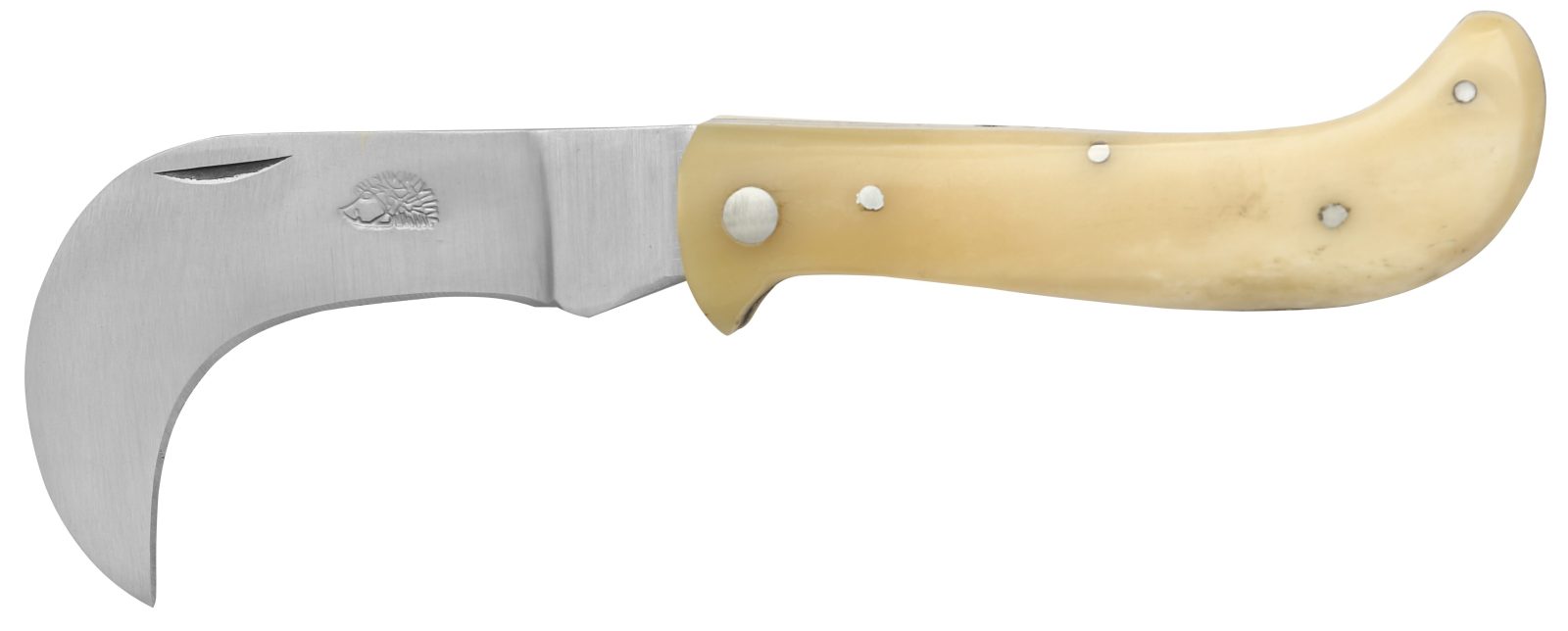
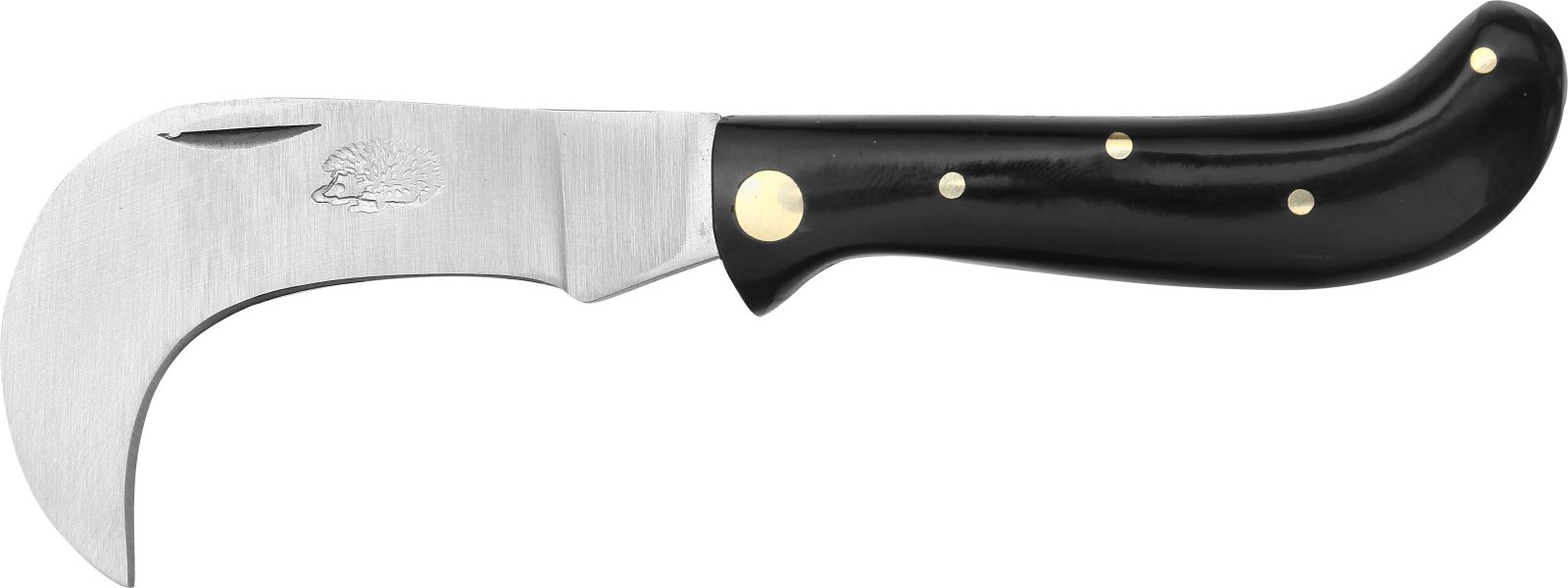
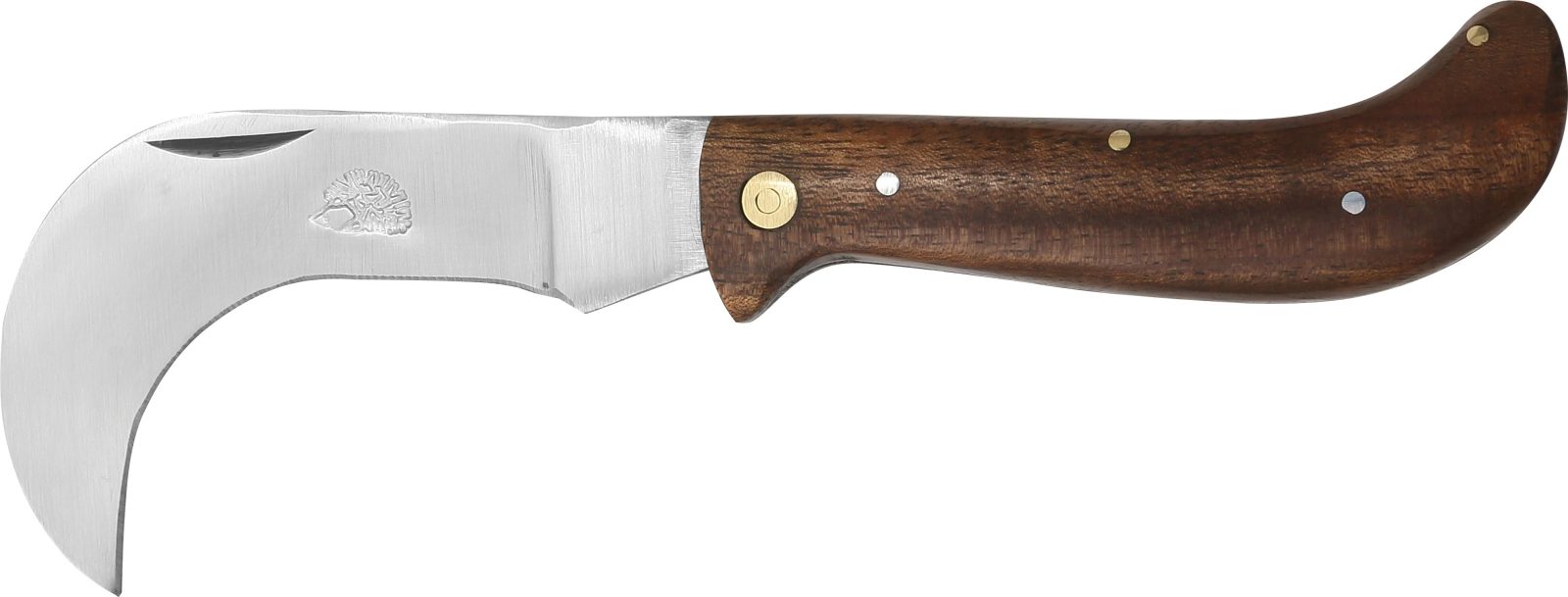
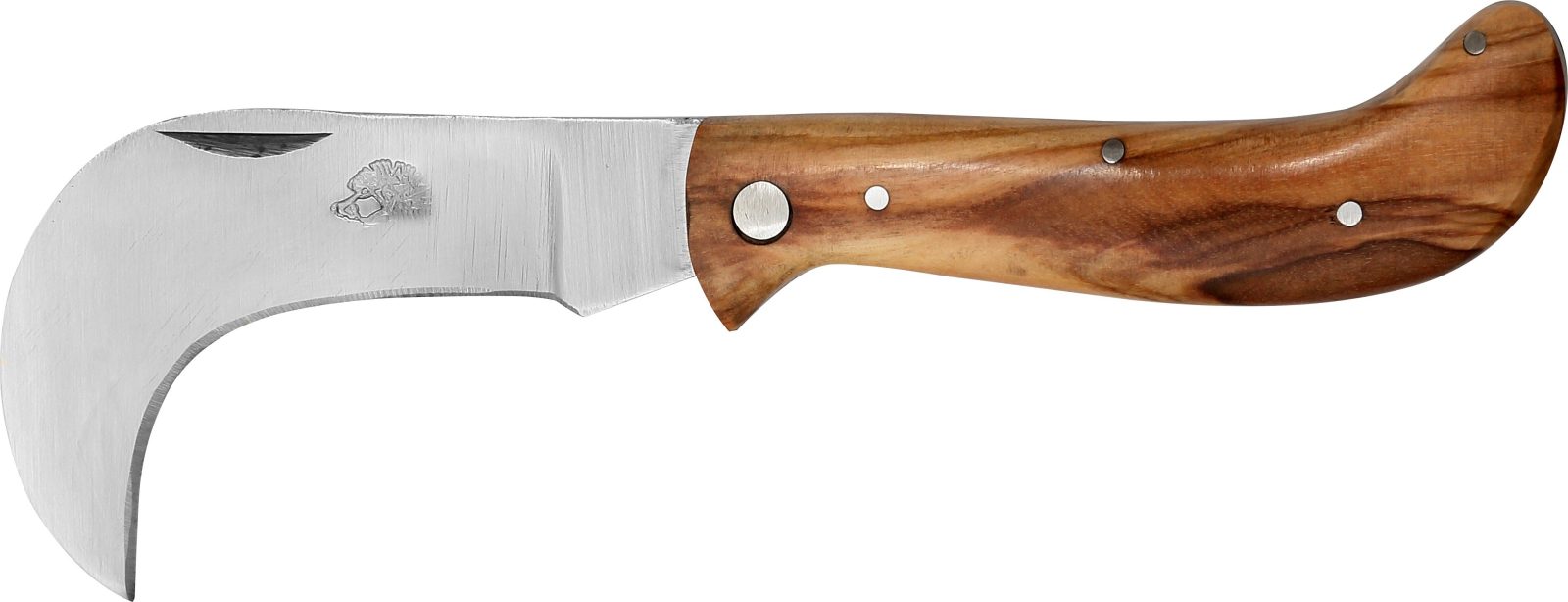
Brown Wood Handle Serpette Pruning Knife – 8 cm Handle

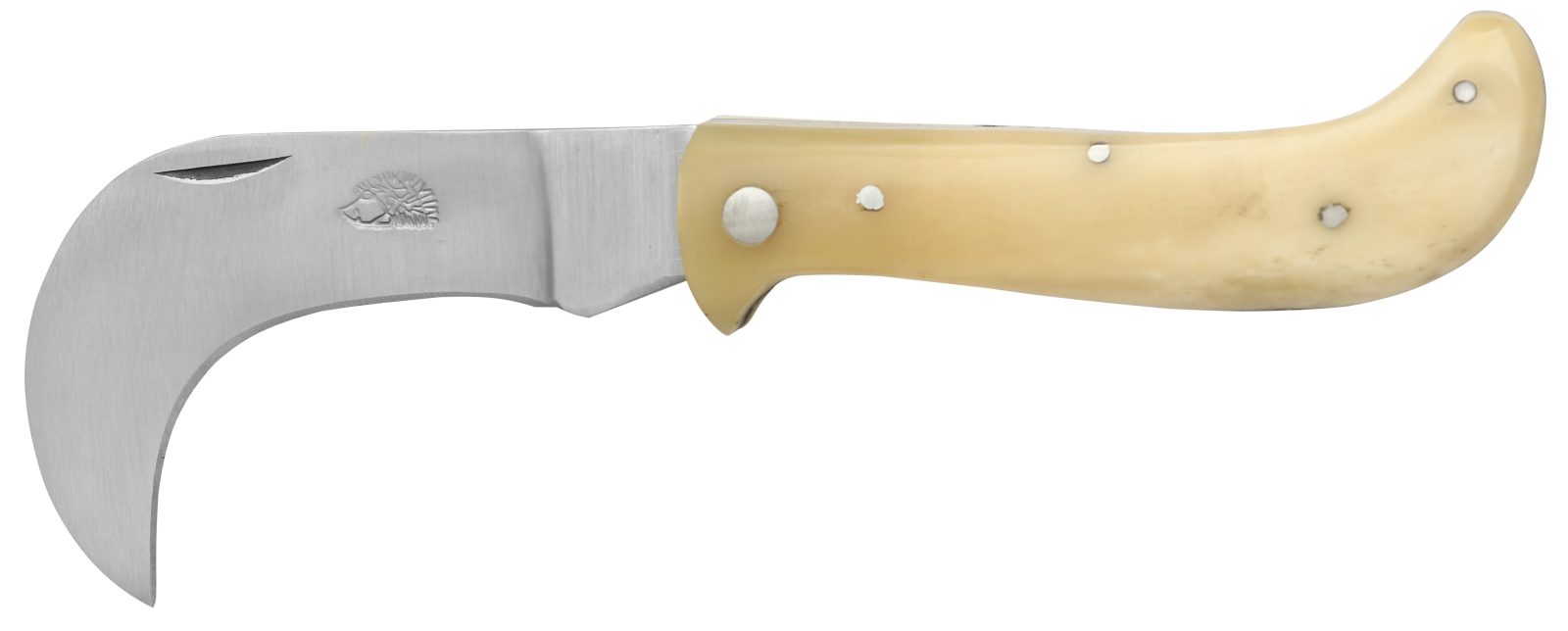
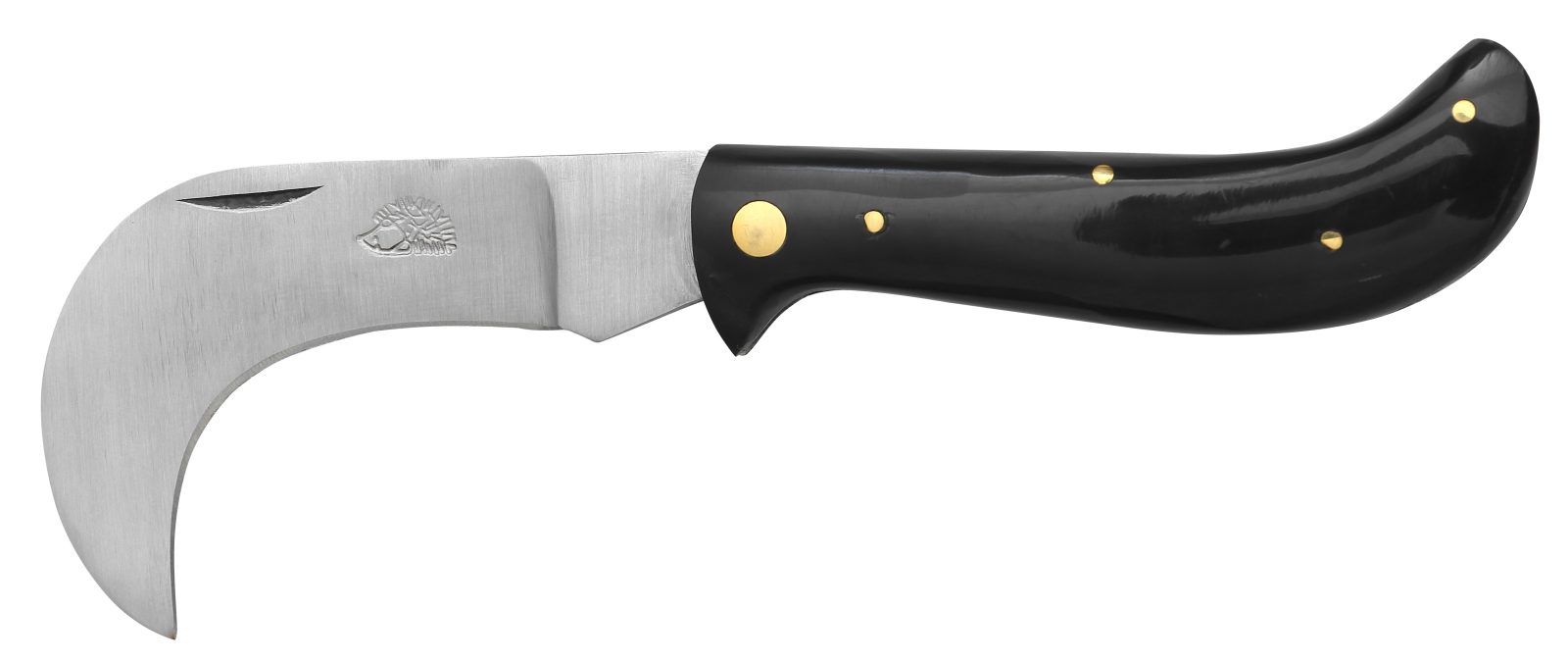
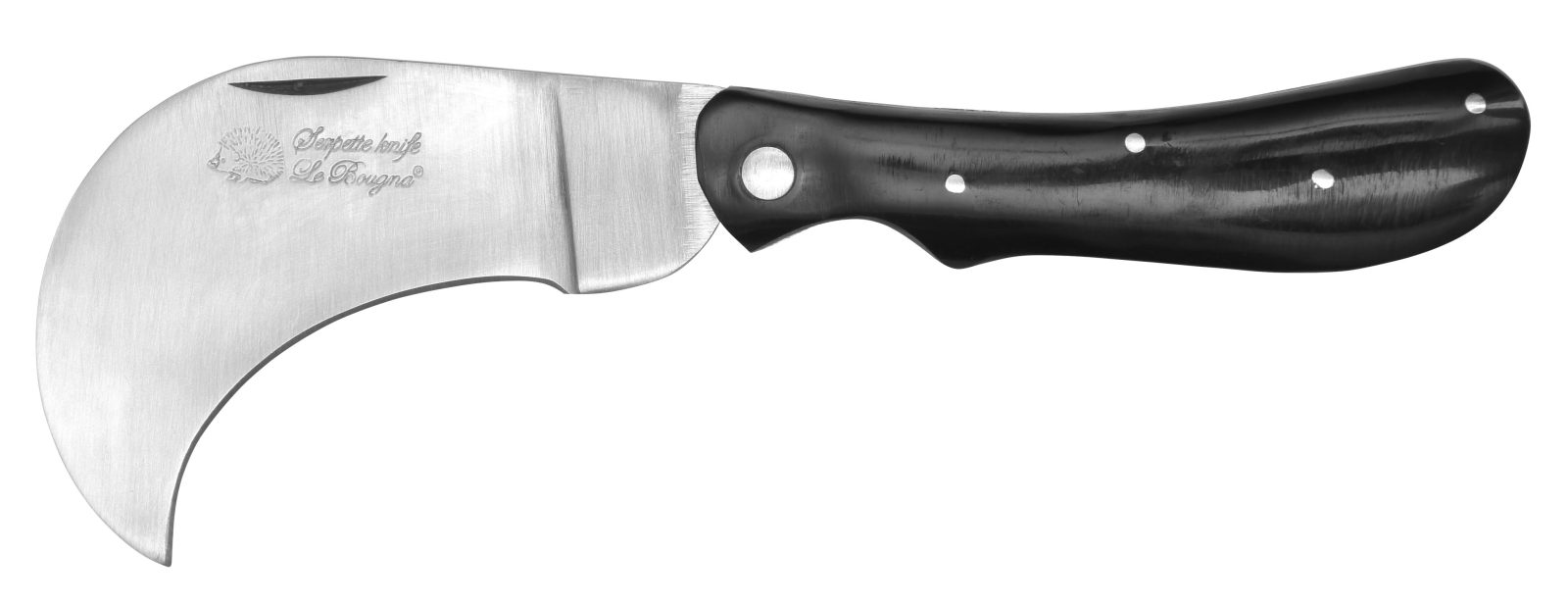
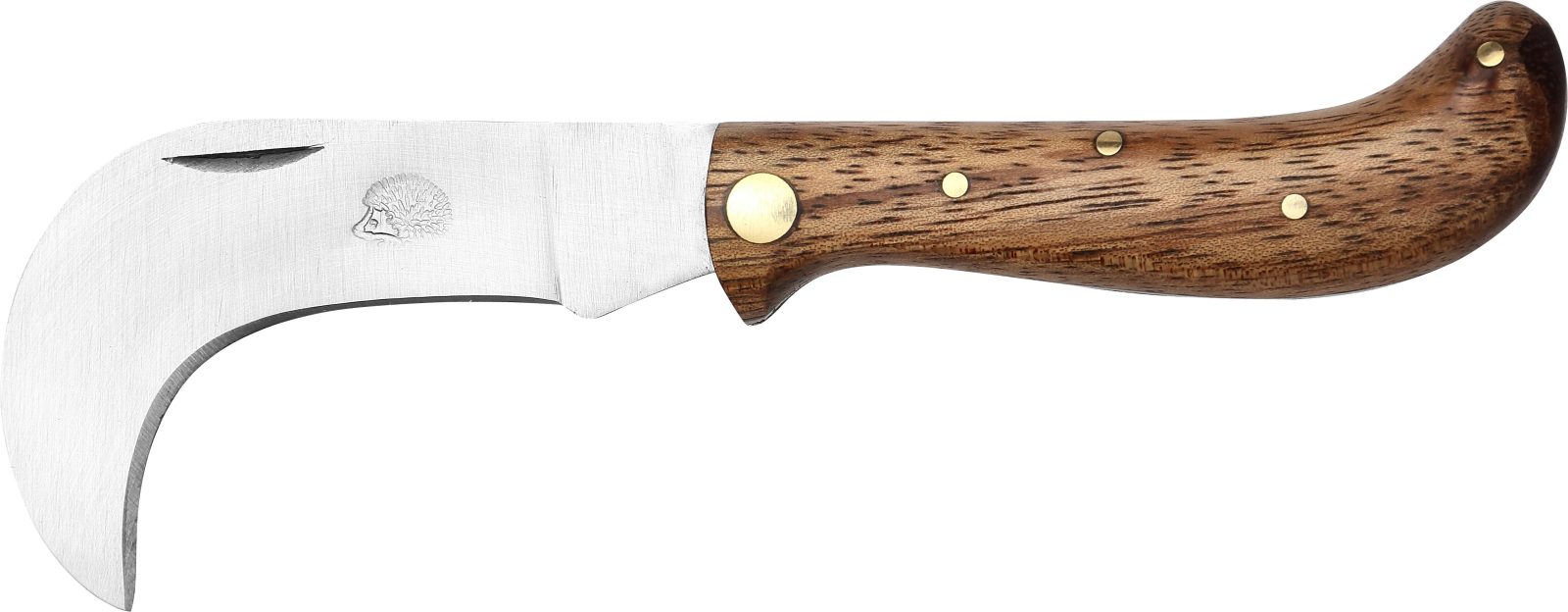
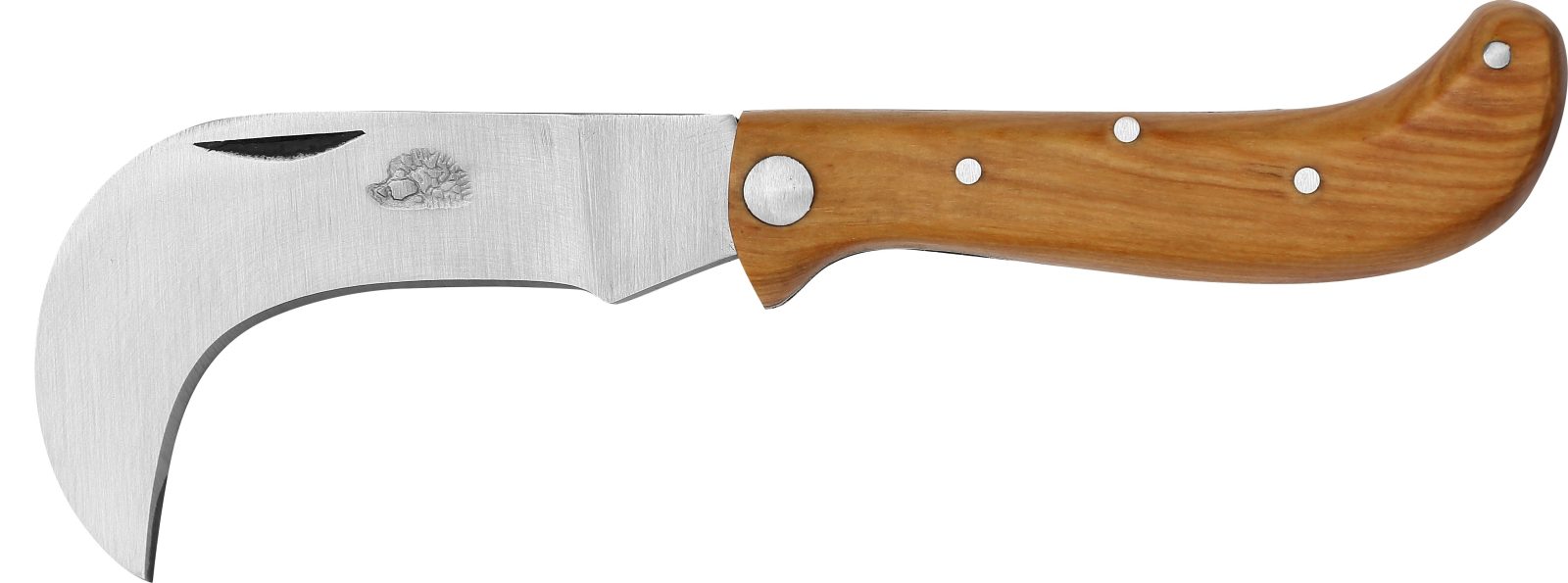
This serpette pruning knife has a hawksbill blade and brown acacia wood handle, no bolster, made in Pakistan.

$3.80
Unit price. Rates are degressive by quantity, size and material.
Wholesale $2.66
Ask about this item on WhatsApp
  • Factory direct Sialkot, since 1982
  • Worldwide shipping
  • Private label on request
  • Wholesale pricing by quantity

About this knife

This serpette pruning knife pairs a 7 cm curved hawksbill blade with an 8 cm brown acacia wood handle, built without a separate bolster for a simple, streamlined shape. Manufactured in Pakistan, it's a compact, affordable pruning tool for garden and vineyard use. A wholesale item for retailers wanting a basic serpette pruning knife option.

Specifications

Weight
0.073 kg
Blade size (cm)
7
Handle size (cm)
8
Blade
Stainless steel
Handle
Acacia wood
Knife Notes

Know-how from our Sialkot workshop

Display & retail

An entry-level pruner for the hook strip

Simple, light and without a bolster, this is the pruner to place at the entry level of your range, where it draws first-time buyers. Hang it on a peg hook, in sixes or dozens, near the seed racks, so customers kitting out a new garden find it beside the essentials.

  • Put a card on the hook: 'The gardener's serpette knife, with a 7 cm hooked blade and brown acacia handle'.
  • Place a bolstered model one hook along, so customers can trade up if they wish.
  • Add a small sharpener or a sheath on the next hook for an easy second sale.
  • Restock heavily in late winter, when the pruning season begins.
Care & maintenance

Without a bolster, keep the joint clean

With no bolster, the acacia runs right up to the blade, so the joint is where dirt and moisture gather. A short routine keeps this little pruner sound:

  • After use, open the knife fully and wipe or rinse around the joint to remove soil and sap.
  • Let it dry open, so no water stays trapped around the pivot.
  • Work a drop of oil into the pivot and open and close the blade a few times.
  • Treat the acacia to a little linseed or mineral oil now and then, which stops the wood drying out and fading.

A stainless steel Pakistan knife like this resists rust, yet a quick dry is still the best habit you can build.

Did you know?

Acacia belongs to the pea family

The hardwood on this handle comes from a relative of peas and beans. Acacias belong to the legume family, and like many legumes they host bacteria in their roots that capture nitrogen from the air. That helps acacia trees grow quickly on poor, dry soils, one reason the dense, warm-brown timber is so widely used for tool handles like this 8 cm one.

Questions & answers

Simple pruner, simple answers

Are knives made in Pakistan any good?

Plenty are. Sialkot, the country's cutlery capital, has turned out garden and pocket knives for export since long before most of today's buyers were born. As with any origin, judge the specific knife: here, a stainless 7 cm blade, a dense acacia handle and a simple construction with no bolster to work loose. Open and close it a few times; a smooth action and a centred blade are good signs.

What is the stainless Pakistan knife price for this basic model?

It is an affordable pruner, and the unit price is shown at the top of the page, in rupees for visitors in Pakistan. Among the knives for sale in Pakistan on this site, it is one of the easiest to order by WhatsApp. Buying by the dozen for a shop or nursery? Ask us for a wholesale quote, as the rate per piece falls with volume.

Why is there no bolster?

It keeps the knife light and simple, with fewer joints to clean. A bolster adds weight, strength and decoration at the front of the handle; on an everyday pruner for garden use, the plain design does the job well.