Army Tank Rescue Knife – 8.5 cm Tanto Blade, 11.7 cm Handle, Glass Breaker & Belt Cutter

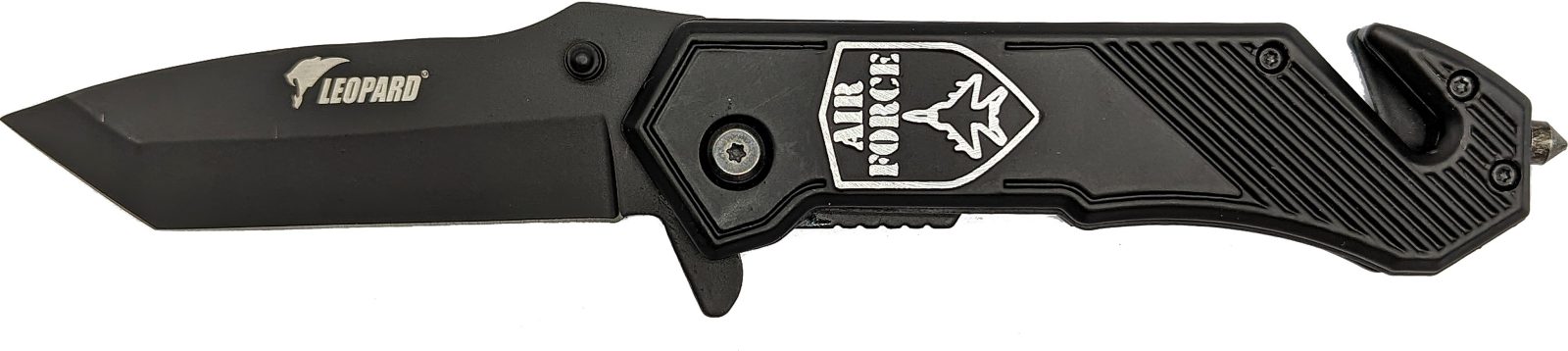
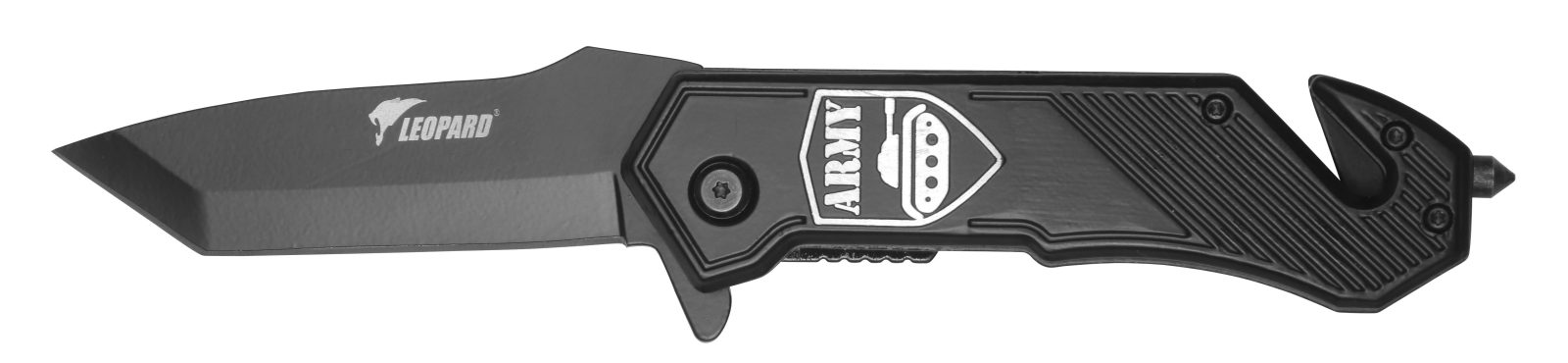
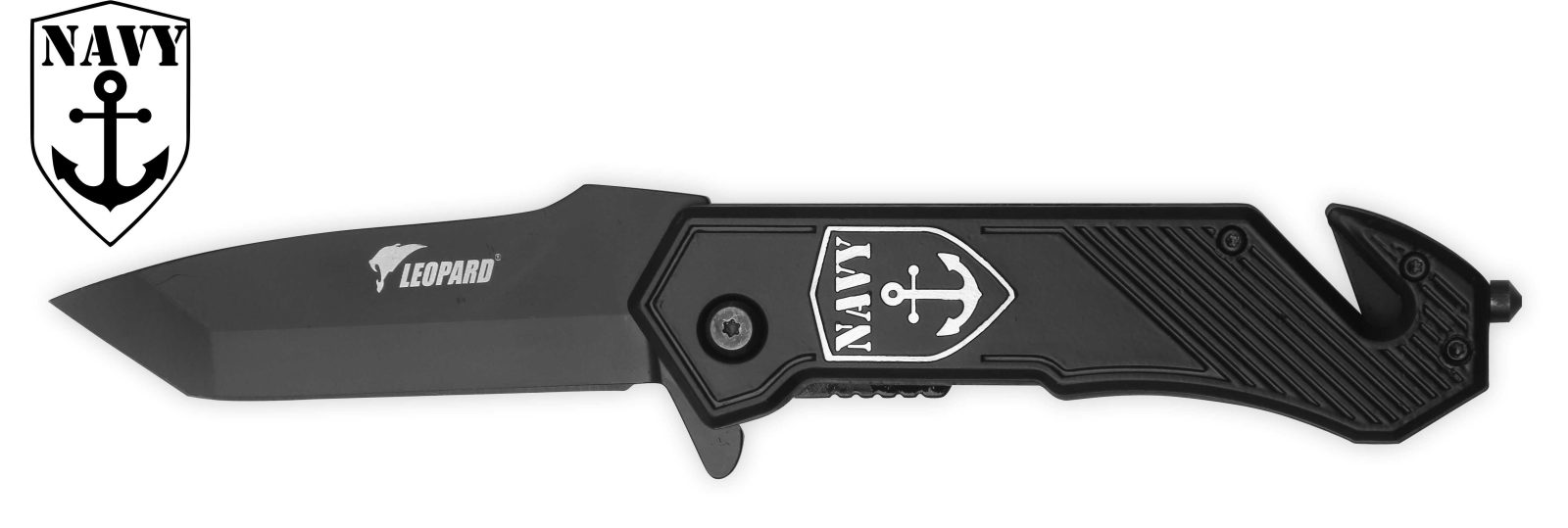
ARMY tank shield emblem on a ridged black aluminium handle, 8.5 cm black tanto blade, glass breaker, belt cutter.

$4.70
Unit price. Rates are degressive by quantity, size and material.
Wholesale $3.29
Ask about this item on WhatsApp
  • Factory direct Sialkot, since 1982
  • Worldwide shipping
  • Private label on request
  • Wholesale pricing by quantity

About this knife

An ARMY shield with a battle-tank silhouette is etched on the 11.7 cm black aluminium handle. It is the model military surplus stores and veterans' gift shops ask for first in this series.

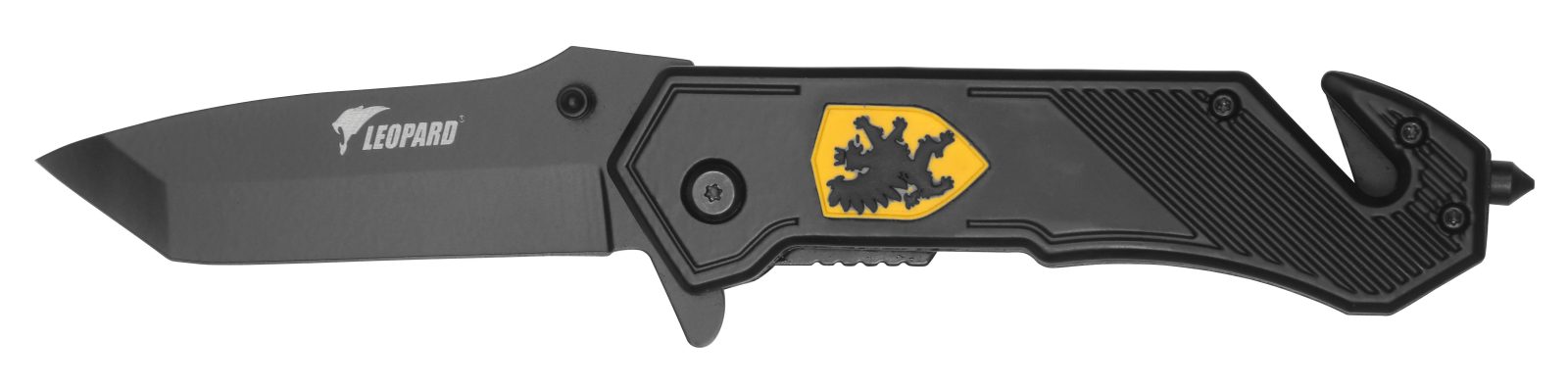
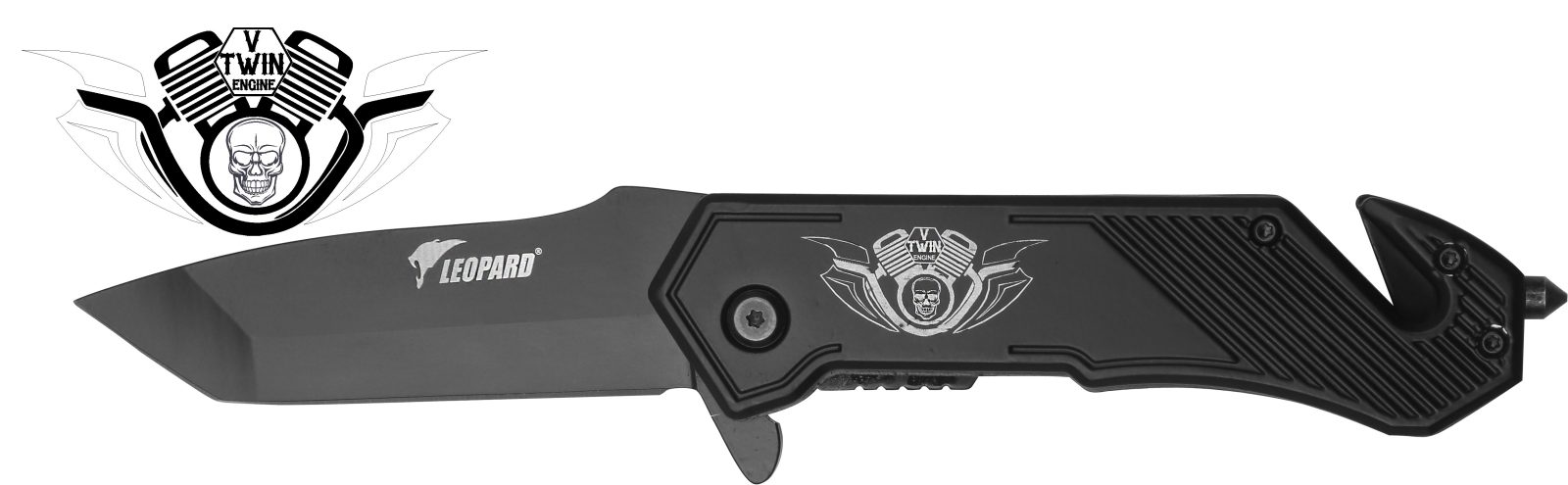
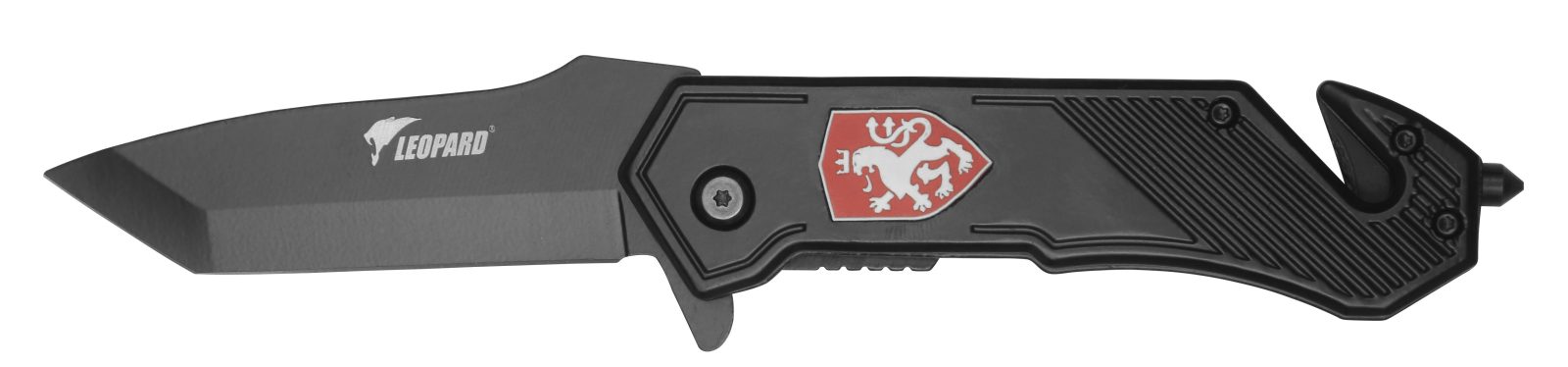
The tanto point of the 8.5 cm black-coated stainless steel blade is built for strength rather than finesse. The handle's ridged back end carries the rescue tools: a hooked seatbelt cutter and a glass-breaker point for a car window. The flipper tab and assisted opening make it quick to deploy.

161 g, made in Pakistan, supplied wholesale. Sheath ref. 2090 is available separately.

Specifications

Weight
0.161 kg
Blade size (cm)
8.5
Handle size (cm)
11.7
Blade
Black-coated stainless steel, tanto
Handle
Black aluminium, ridged grip
Motif
ARMY tank shield
Rescue tools
Glass breaker & seatbelt cutter
Opening
Assisted, flipper tab
Compatible sheath
Ref. 2090, sold separately
Knife Notes

Know-how from our Sialkot workshop

How to use

On every shift: carrying a rescue folder

Carrying a rescue knife well is a habit, and it starts with the routine any fire department knife demands:

  1. Choose one carry position, a trouser pocket or sheath ref. 2090 in your kit bag, and never change it.
  2. Check at the start of each shift that the blade opens cleanly with the flipper tab and the assisted opening.
  3. Practise finding the seatbelt cutter and the glass-breaker point by touch, wearing your work gloves.
  4. After use, wipe the 8.5 cm tanto blade and the ridged handle clean, and dry them before folding.
  5. Put the knife back in exactly the same place.
Care & maintenance

Coating, pivot and rescue tools: monthly care

A rescue knife can spend weeks unused and then have to work at once, so regular checks matter. Once a month, give this stainless Pakistan pocket knife a proper look-over:

  • Clean the black-coated blade with mild soap and water; solvents and scouring pads wear coatings down.
  • If the pivot feels gritty, flush it with a little warm water, dry it thoroughly and add one drop of light oil.
  • Check the glass-breaker point for chips and the seatbelt cutter hook for nicks.
  • Wipe the ARMY tank etching gently; abrasive polish would erase it.
Questions & answers

Army tank knife: what buyers ask

What makes a good knife for a firefighter?

A short, strong blade and dedicated rescue tools. Firefighters rarely need a long edge; they need a tip that will not snap at the first hard job, a seatbelt cutter that works on the first pull, and a glass breaker for side windows. The tanto point on this ARMY model is the strong-tip option, and both rescue tools sit at the ridged rear of the handle.

What is the price of the army tank knife in Pakistan?

Military surplus stores and veterans' gift shops usually order several at once, and the rate per knife falls with quantity: ask us on WhatsApp or by email. For a single piece, the price is shown at the top of the page, in rupees for visitors in Pakistan.

The story

Tanks got their name from a cover story

When Britain developed its first armoured vehicles in 1915, secrecy was everything. Workers were told they were building water carriers, and the code name 'tank', chosen to keep up the pretence, outlived the secret. The new machines first went into action in September 1916, during the Battle of the Somme.

A century later, the tank silhouette is shorthand for the army as a whole, which is why it appears on the ARMY shield etched into this handle. Military surplus stores and veterans' gift shops ask for it first in this series: a Pakistan knife with an emblem a soldier recognises at a glance, and rescue tools that stay useful long after leaving the service.