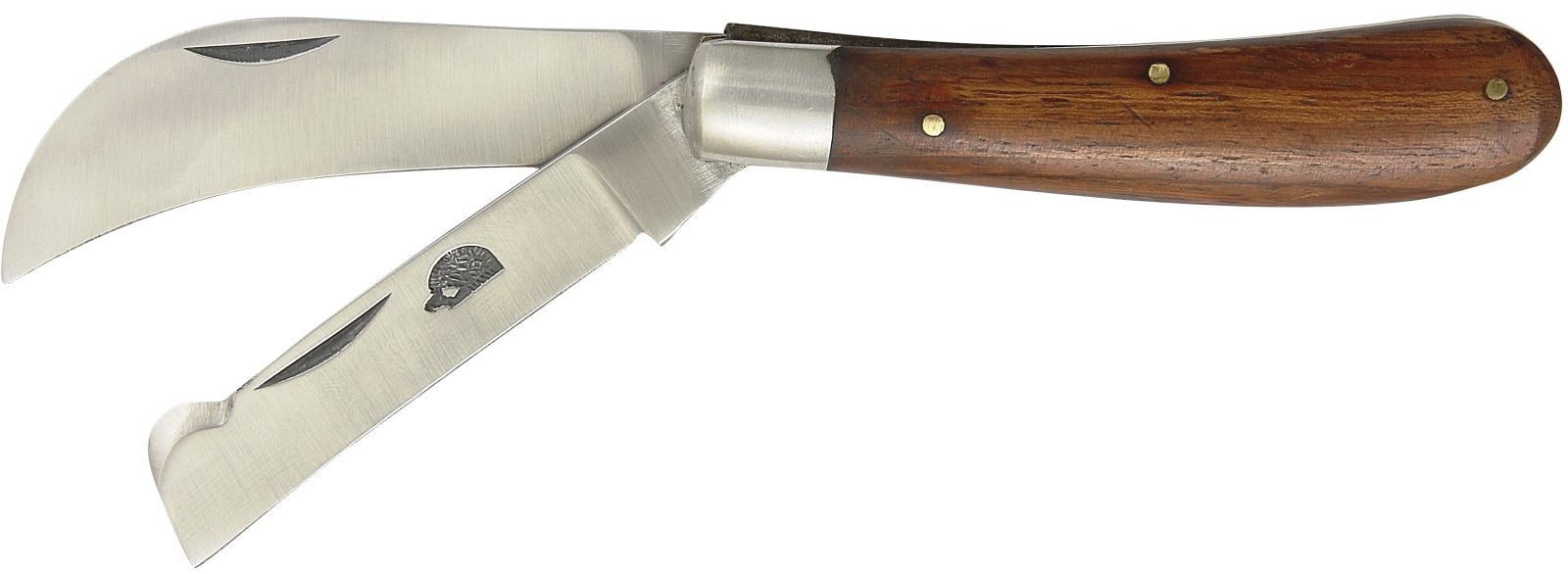
Pruning Knives Ref. 3621

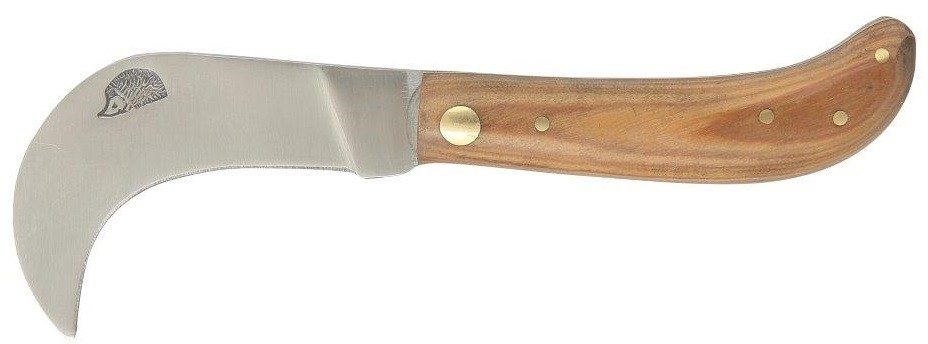
Dual-Blade Pruning Knife with Brown Wood Handle – 9.6 cm Handle

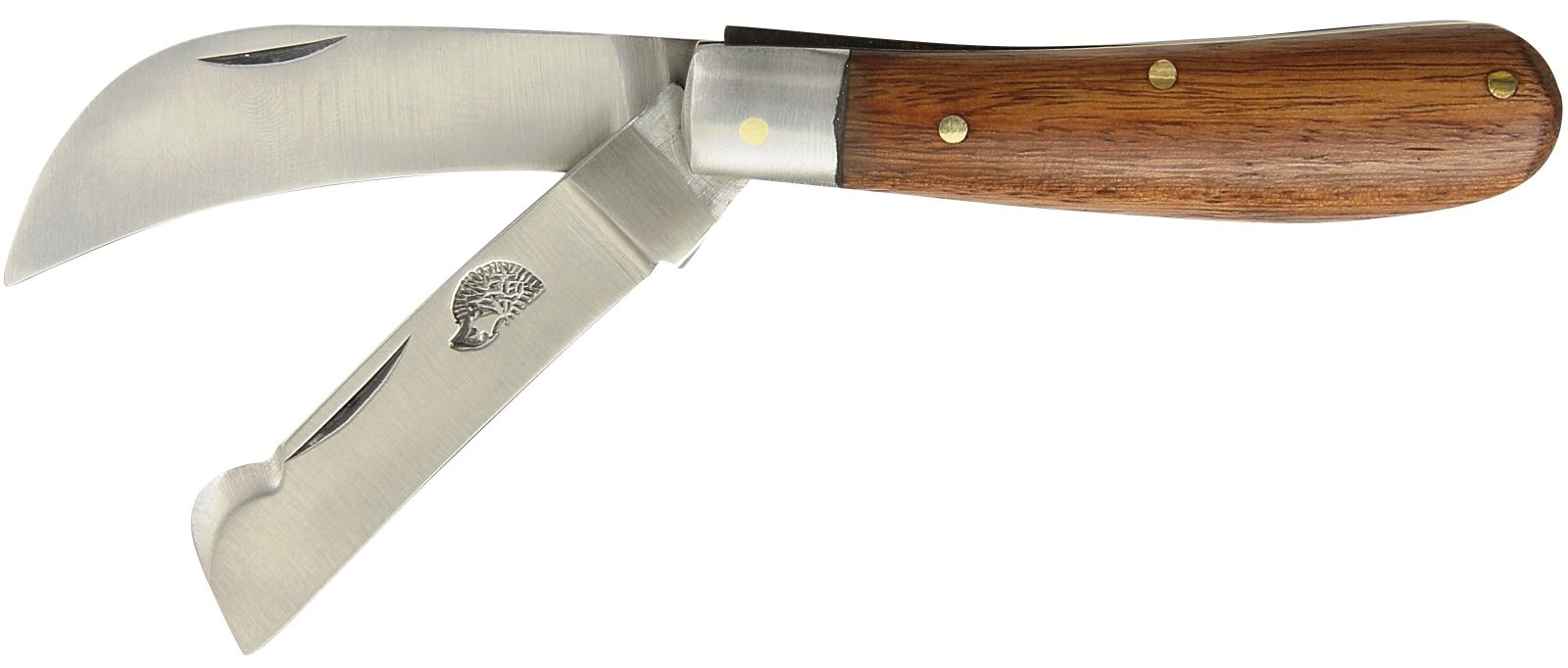
This dual-blade pruning knife has a hawksbill blade plus a second grafting blade, brown wood handle, made in Pakistan.

$5.00
Unit price. Rates are degressive by quantity, size and material.
Wholesale $3.50
Ask about this item on WhatsApp
  • Factory direct Sialkot, since 1982
  • Worldwide shipping
  • Private label on request
  • Wholesale pricing by quantity

About this knife

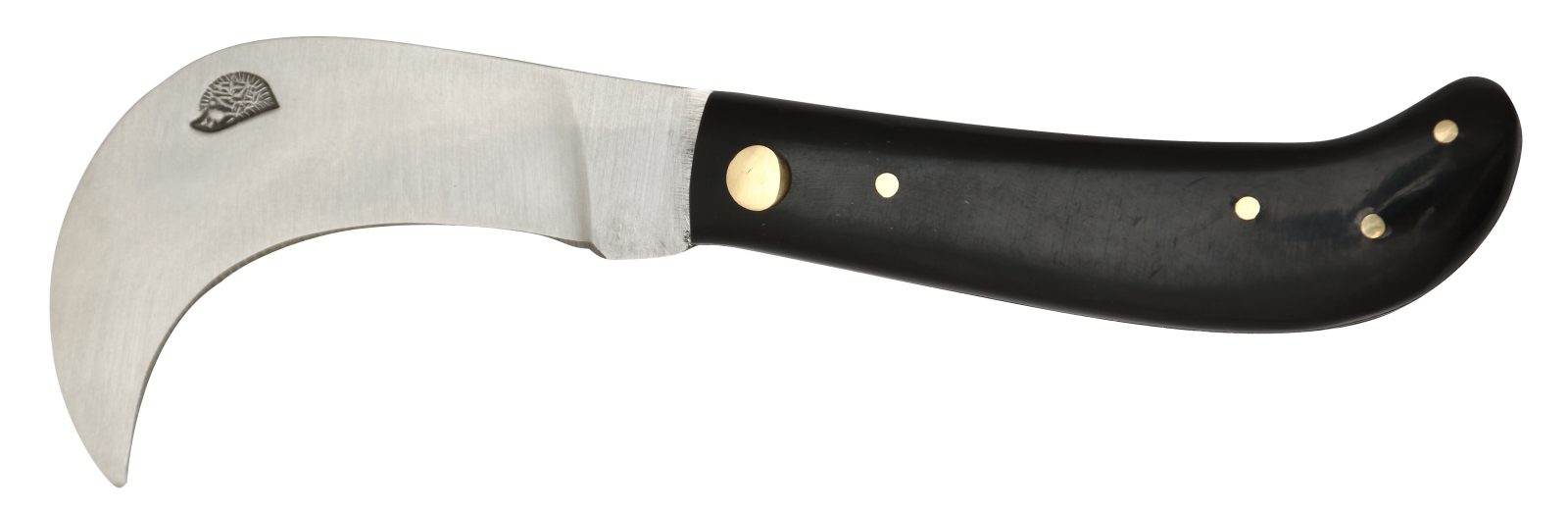
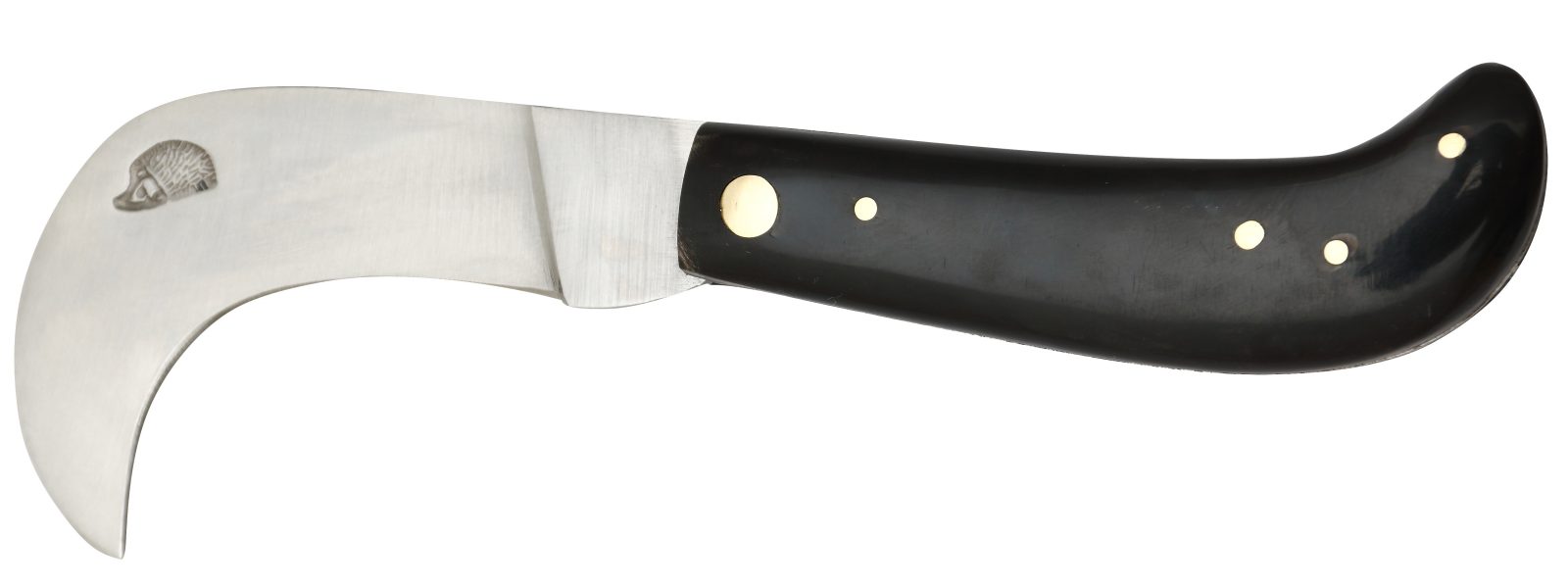
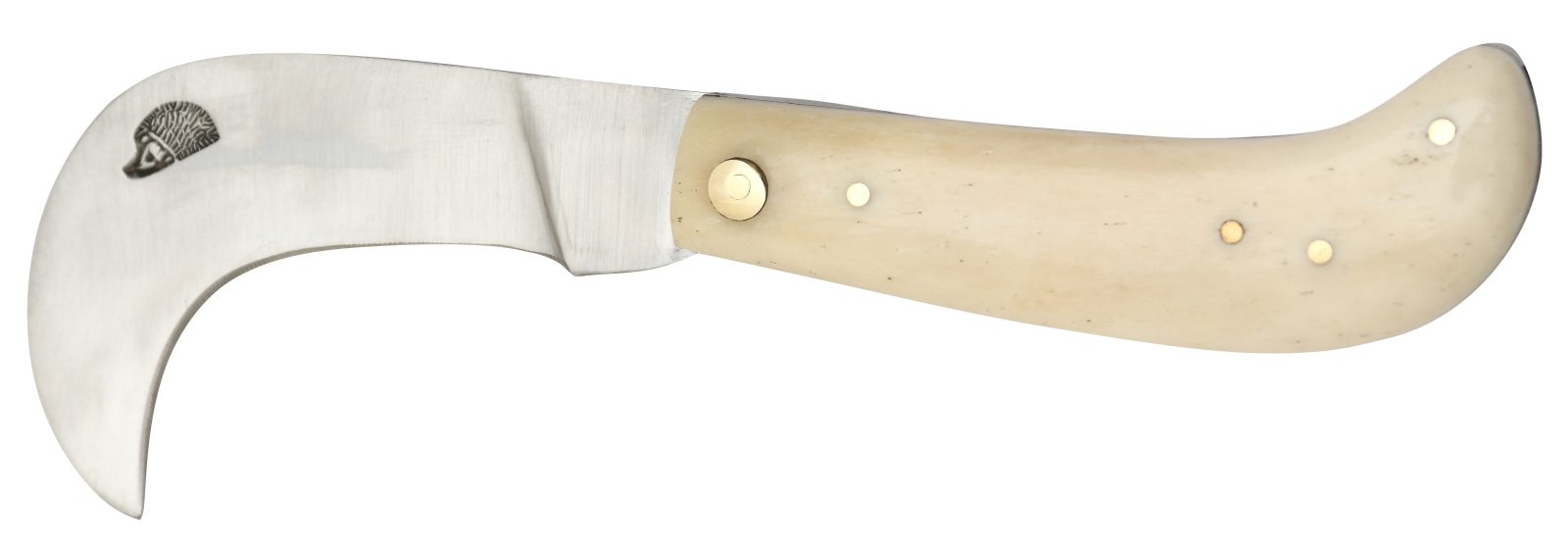
This serpette pruning knife combines an 8.4 cm curved hawksbill blade with a second straight grafting blade, both folding into a 9.6 cm brown wood handle with a polished inox bolster. Manufactured in Pakistan, it's sized larger than the reddish wood dual-blade version in the same range. A wholesale item for retailers targeting vineyard and orchard customers wanting a bigger two-in-one tool.

Specifications

Weight
0.105 kg
Blade size (cm)
8.4
Handle size (cm)
9.6
Blade
Stainless steel
Handle
Dark wood
Bolster
Inox
Knife Notes

Know-how from our Sialkot workshop

Gift ideas

Orchard keepers who graft their own trees

The larger of the two dual-blade pruners, with an 8.4 cm hook and a straight grafting blade in a 9.6 cm brown wood handle, suits people with serious fruit-growing plans:

  • A smallholder planting a new orchard row by row.
  • An apprentice at a nursery or tree farm.
  • A retiring nurseryman, with the name of the business engraved on request.
  • A neighbour who swaps scion wood every winter.

As a serpette knife that also grafts, it replaces two tools in a crowded apron pocket.
How to use

Making a whip-and-tongue graft with both blades

This classic graft joins a scion and a rootstock of similar thickness. Use the hook for rough work and keep the straight blade for the joint:

  1. Cut the top off the rootstock cleanly with the 8.4 cm hook, at a comfortable working height.
  2. With the straight blade, make a long sloping cut, about three to four times the stem's width, across the top of the rootstock; repeat on the base of the scion.
  3. Cut a short tongue down into each sloping face, about a third of the way from its tip.
  4. Slide the two pieces together so the tongues interlock and the green layers under the bark line up on at least one side.
  5. Bind the union firmly with grafting tape.
Questions & answers

Grafting edge, steel and price: questions answered

Does Pakistan make good knives?

Yes, and grafting tools are a fair test, since they need a very clean edge. This model pairs two stainless blades in a brown wood handle with an inox bolster; as a Pakistan stainless knife, it shrugs off sap and damp. Sialkot has made cutting tools for export for generations, and folding garden knives are part of that tradition of knives made in Pakistan.

What is the price of this stainless dual-blade knife in Pakistan?

One piece is priced at the top of this page, in rupees (PKR) for buyers in Pakistan, with WhatsApp ordering. Volume buyers receive a degressive wholesale rate on request by email or WhatsApp.

Can I use the hook for grafting too?

Only for preparing the stock, such as cutting off its top. The grafting cuts themselves need the flat, straight edge of the second blade, because a curved edge cannot produce the long, even faces that let the two pieces knit together.

Pro tip

Reserve the straight blade for grafting cuts

Every rough job, from cutting twine to scraping moss off a branch, takes a little off a keen edge. Keep the straight blade on this knife for grafting cuts alone and let the 8.4 cm hook handle everything else, including topping the rootstock. If the knife is shared, tell anyone who borrows it which blade is off limits. A grafting edge protected this way stays keen far longer, and clean cuts give the graft a better chance of taking.