
Pruning Knives Ref. 3619

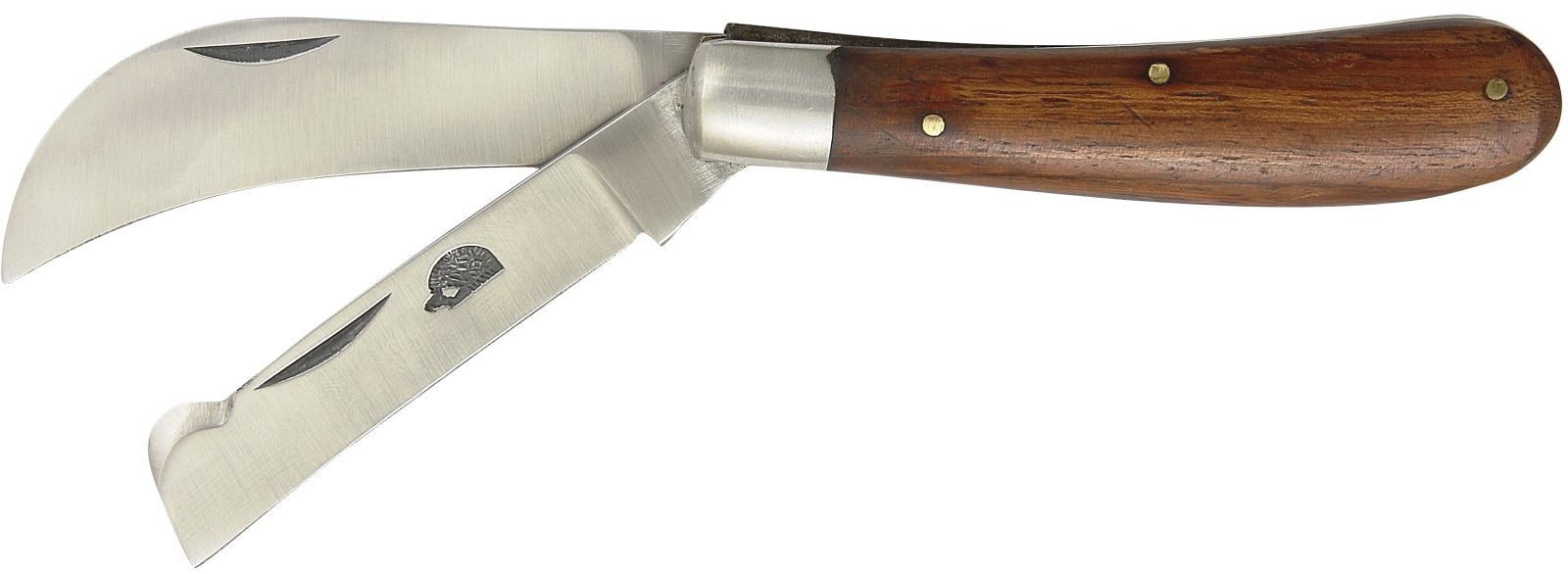
Reddish Wood Handle Locking Pruning Knife – 11.3 cm Handle, Inox Bolster

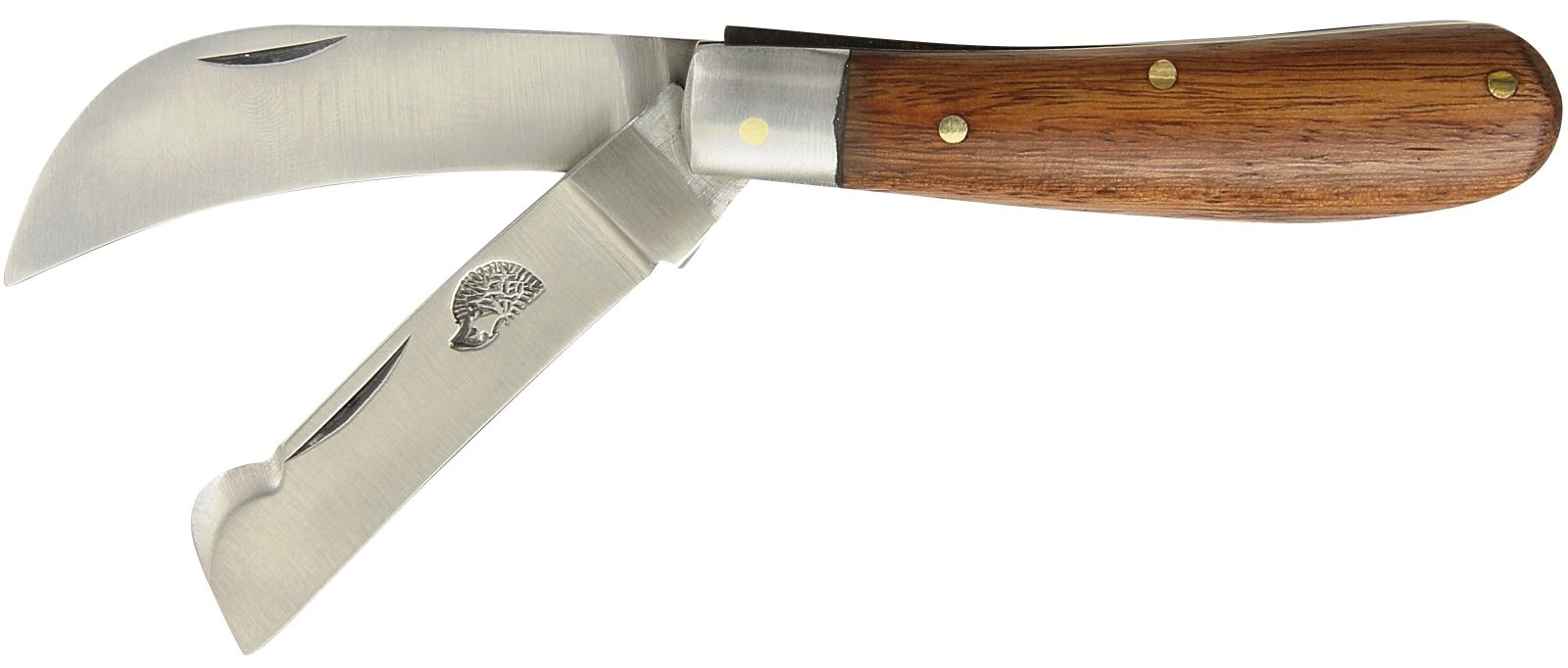
This locking pruning knife has a hawksbill blade and reddish wood handle, inox bolster, made in Pakistan.

$5.00
Unit price. Rates are degressive by quantity, size and material.
Wholesale $3.50
Ask about this item on WhatsApp
  • Factory direct Sialkot, since 1982
  • Worldwide shipping
  • Private label on request
  • Wholesale pricing by quantity

About this knife

This serpette pruning knife pairs a 9 cm curved hawksbill blade with an 11.3 cm reddish wood handle, a polished inox bolster and a locking backspring that holds the blade open during use. Manufactured in Pakistan, the lock adds a safety feature not found on the standard slip-joint versions in the range. A wholesale item for retailers wanting a locking pruning knife option.

Specifications

Weight
0.121 kg
Blade size (cm)
9
Handle size (cm)
11.3
Blade
Stainless steel
Handle
Dark wood
Bolster
Inox
Knife Notes

Know-how from our Sialkot workshop

Questions & answers

Lock, size and price: locking pruner questions

Are Pakistan knives any good?

Good ones are reliable working tools, and this model adds a locking backspring that holds the 9 cm blade open while you cut. Test it on arrival: open the blade fully, push gently on the back with the edge pointing away, and it should stay put without play; closing should need a deliberate release. A Pakistan stainless steel knife that passes that test, with a tidy inox bolster and an even edge, is well made.

What is the folding knife price in Pakistan for the locking model?

The unit price appears at the top of this page, in rupees (PKR) for visitors in Pakistan, and you can buy via WhatsApp. For wholesale quantities, write by email or WhatsApp; the per-knife rate goes down as the order grows.

How big is it?

It is one of the longest pruners in the range: a 9 cm hawksbill blade folding into an 11.3 cm reddish wood handle. It suits larger hands and heavier pruning, and travels better in a work-jacket pocket or a belt sheath than in jeans.

The story

Saint Vincent's day and the start of winter pruning

In many wine regions of Europe, 22 January is Saint Vincent's day, honouring the patron saint of winemakers, and folk tradition links the feast with the heart of the pruning season. Processions, blessings of the vines and shared meals still mark it in some villages, a reminder of how central the winter cut is to the vineyard year.

The serpette knife was the tool of that season long before shears arrived. This version updates the pattern with a lock: its backspring holds the 9 cm blade open, so the edge stays in place through long sessions in cold vineyards, and the 11.3 cm reddish wood handle gives a full grip even in gloves.

Pro tip

Test the lock before the first cut of the day

A lock only helps once it has fully engaged. Before you start, open the blade until you feel it settle, then press gently on its back with the edge pointing away from you; nothing should move. Sap and grit can build up in the mechanism over a season, so if the lock feels sluggish, rinse the joint, dry it and add a drop of oil. Never release it with fingers in the path of the edge.

Best uses

When a lock makes the difference

Holding the blade open matters most where the knife meets resistance, so this is the pruner to reach for when the wood is tougher. As a Pakistan knife with an 11.3 cm handle, it also suits bigger hands.

  • Cutting back old raspberry canes
  • Removing thick vine shoots
  • Clearing bramble runners
  • Trimming rootstock suckers
  • Pruning fruit-tree water shoots
  • Cutting baling twine and rope