Pruning Knives Ref. 3614

Black Horn Handle Shepherd's Pruning Knife – 9.4 cm Handle, Brass Bolster

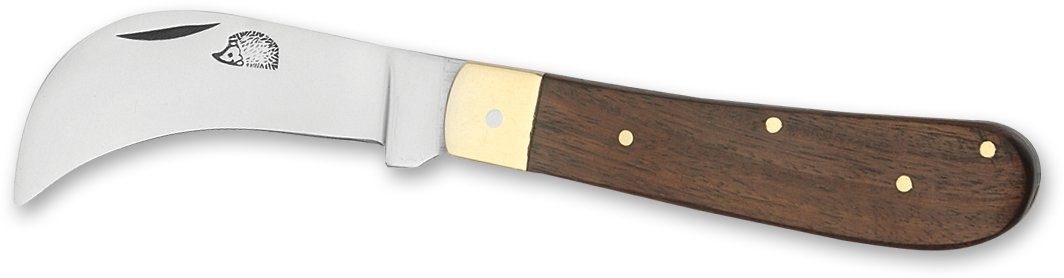
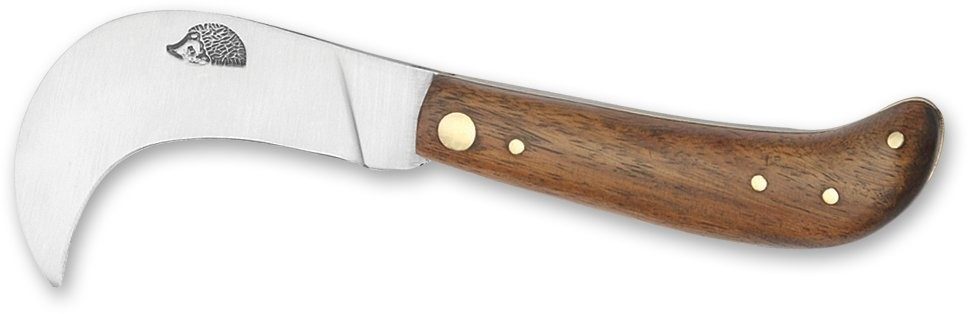
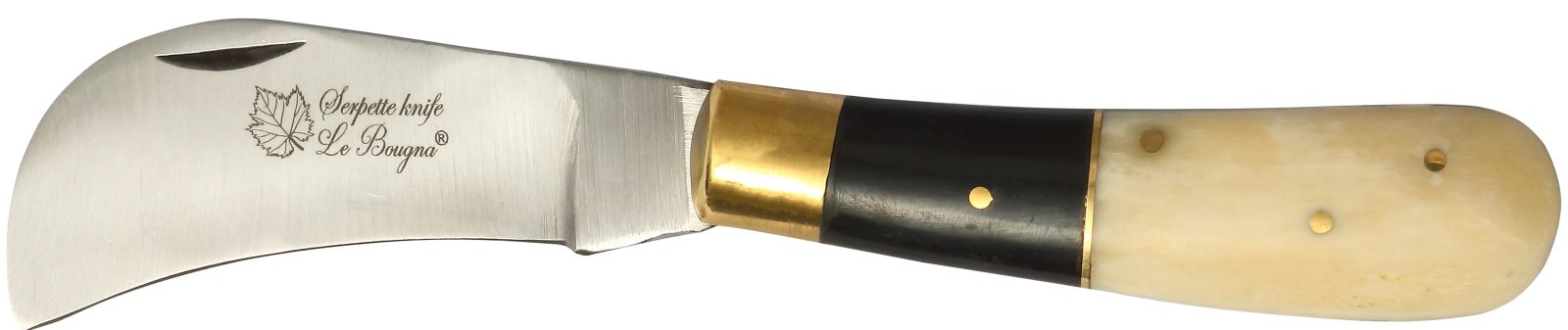
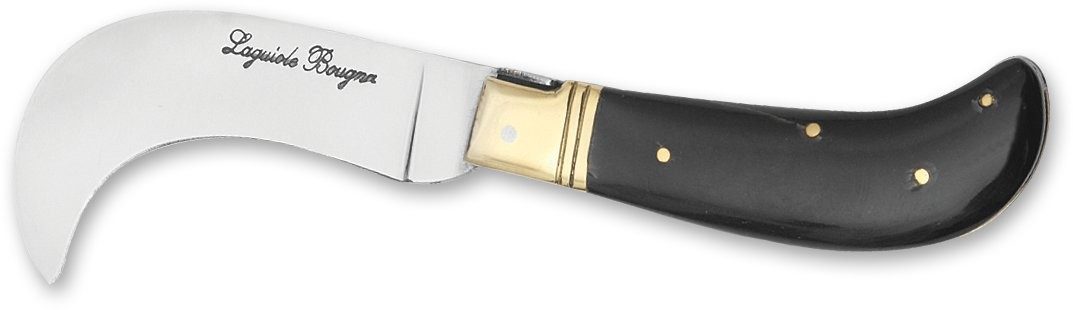
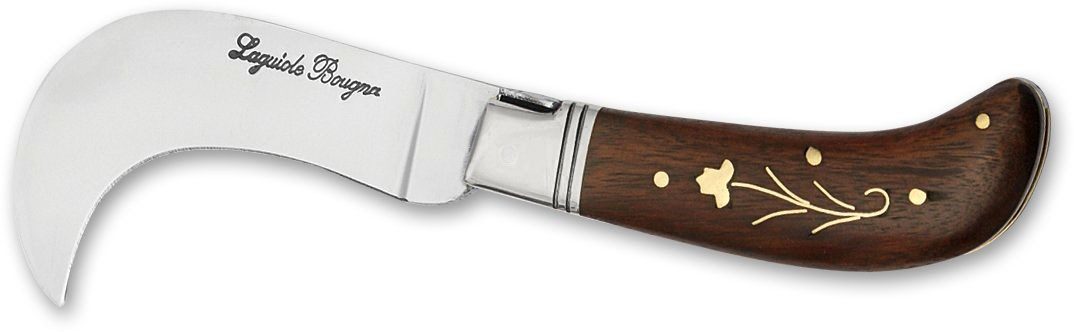
This shepherd's-style pruning knife has a hawksbill blade and curved black horn handle, brass bolster, made in Pakistan.

$5.00
Unit price. Rates are degressive by quantity, size and material.
Wholesale $3.50
Ask about this item on WhatsApp
  • Factory direct Sialkot, since 1982
  • Worldwide shipping
  • Private label on request
  • Wholesale pricing by quantity

About this knife

This serpette pruning knife features an 8.2 cm curved hawksbill blade and a 9.4 cm black horn handle with a distinctive curved, shepherd's-hook butt, finished with a polished brass bolster. Manufactured in Pakistan, its traditional silhouette suits collectors as well as working use. A wholesale item for retailers wanting a heritage-style pruning knife.

Specifications

Weight
0.108 kg
Blade size (cm)
8.2
Handle size (cm)
9.4
Blade
Stainless steel
Handle
Horn
Bolster
Brass
Knife Notes

Know-how from our Sialkot workshop

Questions & answers

Curved butt, horn and price: shepherd's pruner questions

Are Pakistan knives any good?

A traditional pattern like this is a good way to find out. The black horn should be smoothly shaped all the way round the curved butt, the brass bolster tight and polished, and the 8.2 cm stainless blade should close without touching the horn. Makers in Sialkot have produced heritage shapes like this for a long time, and a well-finished Pakistani knife of this kind shows it in the curves.

What is the price of this stainless pruning knife in Pakistan?

Look at the top of this page: the price per knife is shown there in rupees (PKR) for visitors in Pakistan, with ordering by WhatsApp. Collectors' shops and garden retailers buying in quantity can request a wholesale quote by email or WhatsApp.

What is the curved end of the handle for?

It hooks over the edge of your hand, so the knife cannot slide forward during a hard pulling cut. It also makes the knife easy to find by touch and to draw out of a deep pocket.

The story

Crooks, flocks and the herder's pocket blade

Herding people have always needed a small blade at hand: for cutting twine and bread, trimming a hoof, freeing a fleece caught on brambles or clearing the scrub along a fold wall. Across Europe many of the knives they carried had a curved blade, and some handles curved at the end like the crook the shepherd leaned on all day.

This serpette knife keeps that silhouette. The curved butt of its 9.4 cm black horn handle echoes the crook, while the brass bolster and 8.2 cm hawksbill blade make it a capable pruner. As a shepherd's knife, it belongs as much in a collector's cabinet as in a garden apron.

Did you know?

The bishop's crozier began as a shepherd's crook

The tall hooked staff carried by bishops, the crozier, takes its shape directly from the shepherd's crook, a reminder that a bishop is meant to look after his flock. The same hooked outline turns up in country tools, and on this knife it appears twice: once in the 8.2 cm hawksbill blade, and again in the curved butt of the black horn handle, which catches the palm much as a crook catches a sheep's leg.

Gift ideas

Farmers, walkers and collectors of old patterns

Its shape tells a story before anyone opens it, which is what makes this knife a good present:

  • Someone who keeps sheep, goats or a few hens and does their own fencing and hedging.
  • A hill walker who appreciates traditional rural crafts.
  • A collector of regional knife patterns looking for a horn-handled example.
  • A grandparent who grew up on a farm, as a nod to the tools they remember.

Wrap it with a short note on the crook-shaped handle; the story behind the 9.4 cm horn handle is half the gift.