Pruning Knives Ref. 3609

Two-Tone Horn & Bone Handle Pruning Knife – 10 cm Handle, Brass Bolster

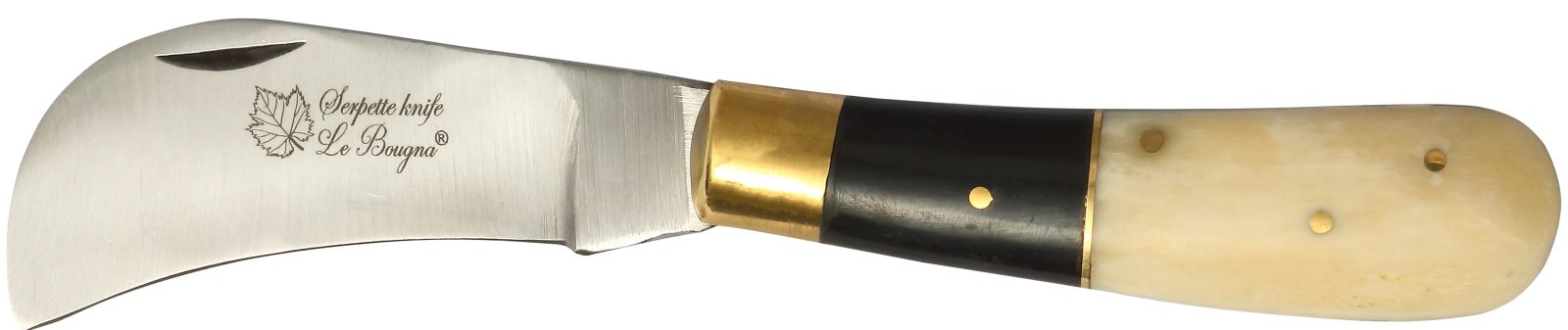
This serpette pruning knife has a two-tone black horn and white bone handle, brass bolster, made in Pakistan.

$4.60
Unit price. Rates are degressive by quantity, size and material.
Wholesale $3.22
Ask about this item on WhatsApp
  • Factory direct Sialkot, since 1982
  • Worldwide shipping
  • Private label on request
  • Wholesale pricing by quantity

About this knife

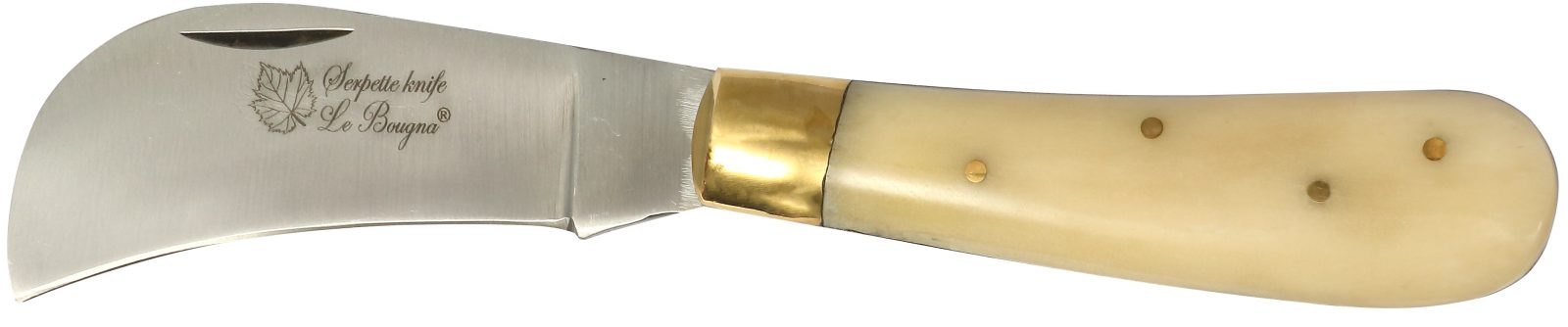
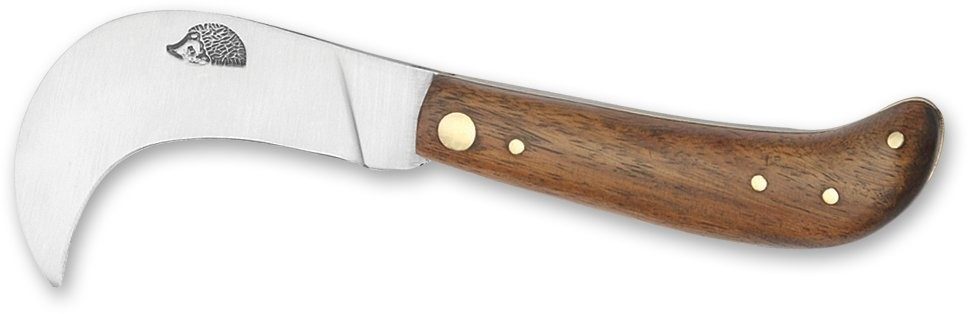
This serpette pruning knife pairs an 8.5 cm curved hawksbill blade with a 10 cm two-tone handle combining black horn and white bone sections, finished with a polished brass bolster. Manufactured in Pakistan, the contrasting materials make it the most decorative option in the pruning knife range. A wholesale item for retailers wanting a standout vineyard and gardening knife.

Specifications

Weight
0.098 kg
Blade size (cm)
8.5
Handle size (cm)
10
Blade
Stainless steel
Handle
White bone/horn
Bolster
Brass
Knife Notes

Know-how from our Sialkot workshop

Questions & answers

Two-tone handle questions from collectors and shops

Are Pakistan knives any good?

The answer lies in the details, and this one has plenty to inspect. The black horn and white bone sections should meet in a clean line with no filler showing, the brass bolster should be polished and flush, and the 8.5 cm stainless blade should open and close without grinding. A Pakistan steel knife made with that much handwork is a good sign that the maker takes care over finish.

What is the Pakistan knife price for this two-tone model?

One knife is priced at the top of the page, shown in rupees (PKR) when you visit from Pakistan. Retailers can mix it with other pruning knives in a wholesale order and ask for a quote on WhatsApp or by email; larger quantities mean a lower price per piece.

Does every handle have the same pattern?

The layout is the same, black horn and white bone in sections along the 10 cm handle, but natural materials vary. Expect slight differences in the shade of the bone and the depth of the black from one knife to the next.
The story

Medieval calendars and the month of pruning

Illuminated calendars of the Middle Ages, known as the Labours of the Months, gave each month its typical farm task, and a vine dresser bent over his vines appears in the late-winter pages of many of them, often February or March. In those small paintings he is almost always holding a curved knife, the ancestor of today's serpette knife, which shows how long the shape has been tied to the vineyard year.

Those manuscripts were showpieces in their own right, made to be admired as well as used. This knife takes a similar approach: a working 8.5 cm hawksbill blade, set in a handle that combines black horn and white bone behind a brass bolster, so it looks as good in a display cabinet as it does in a pocket.

Best uses

Where a two-tone pruner earns its keep

Decorative as it is, this is still a working pruning knife, and its 8.5 cm curve handles light garden jobs well. Between uses it makes a striking Pakistan knife to display, with the black horn and white bone side by side on a 10 cm handle.

  • Pruning a few backyard vines
  • Cutting flowers for arrangements
  • Harvesting herbs and salad leaves
  • Trimming climbing roses
  • Collector's cabinet display
  • Gift box presentation
Which one to choose

Single-material siblings of the two-tone pruner

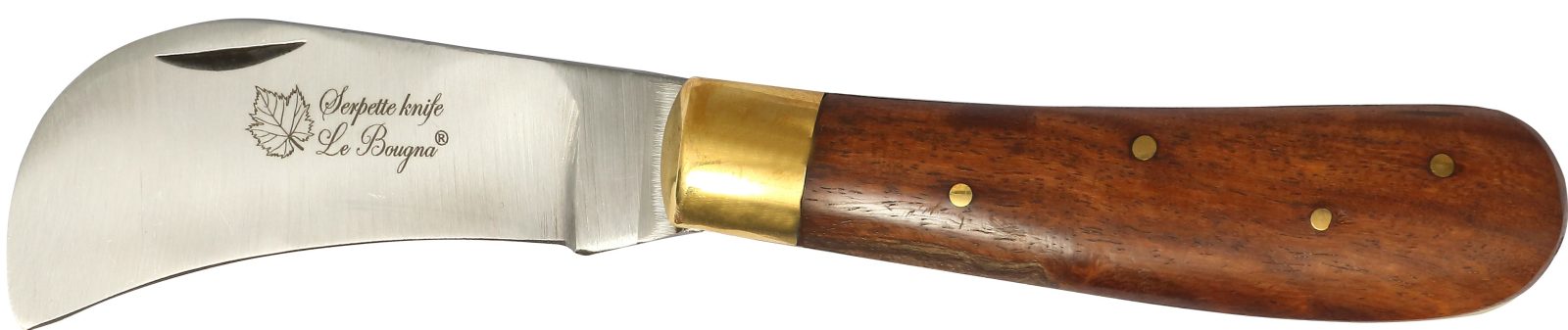
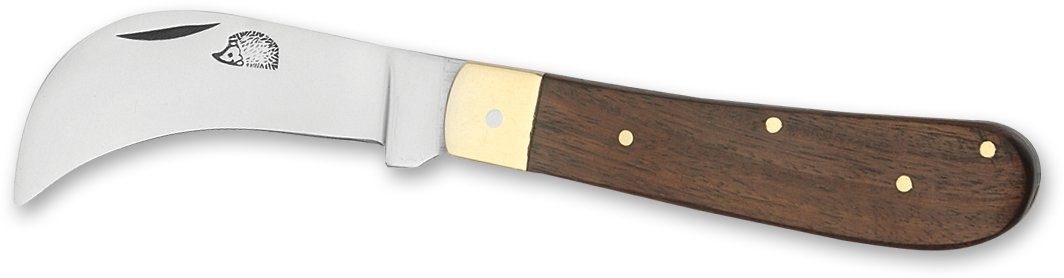
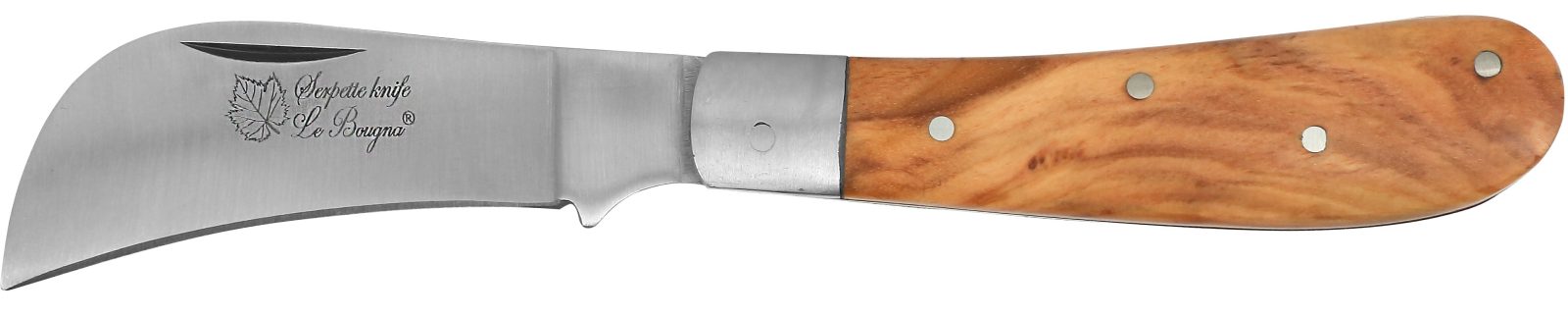
If a customer likes the idea of a decorative pruner but not the two-tone look, these siblings are the natural alternatives: