Table Knife Sets Ref. 6077

Teak Wood Handle Table Knife Set with Curved Blades – 12 cm Handle, Set of 6

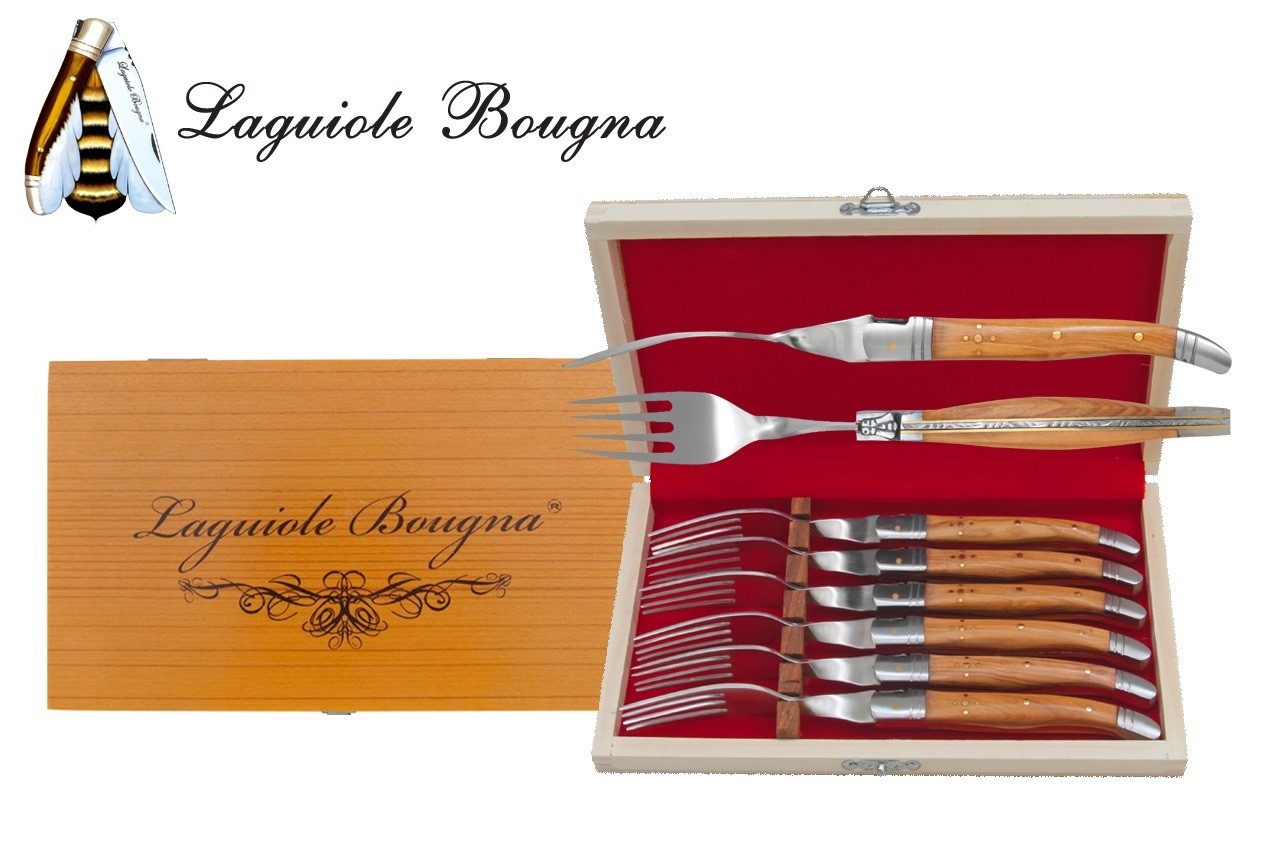
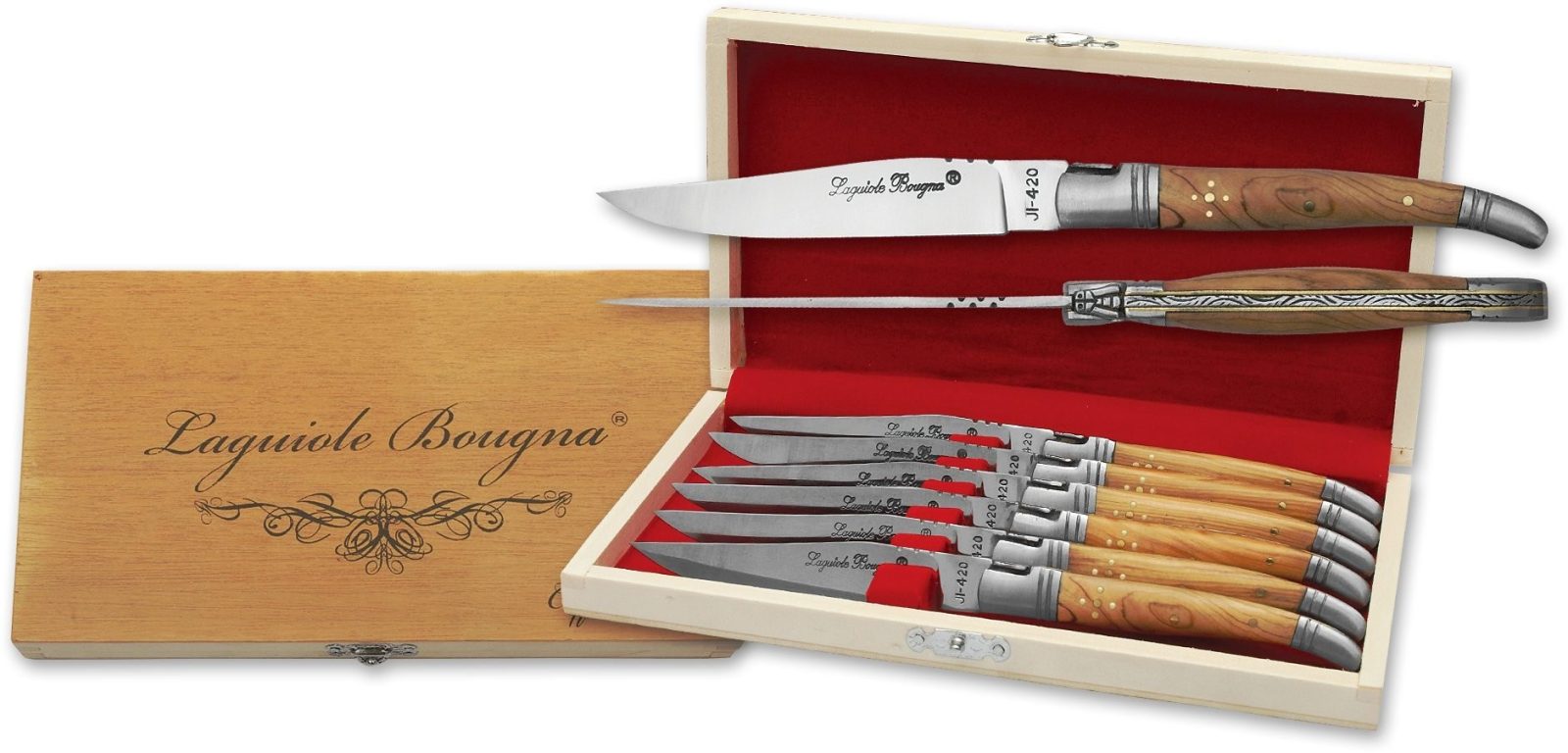
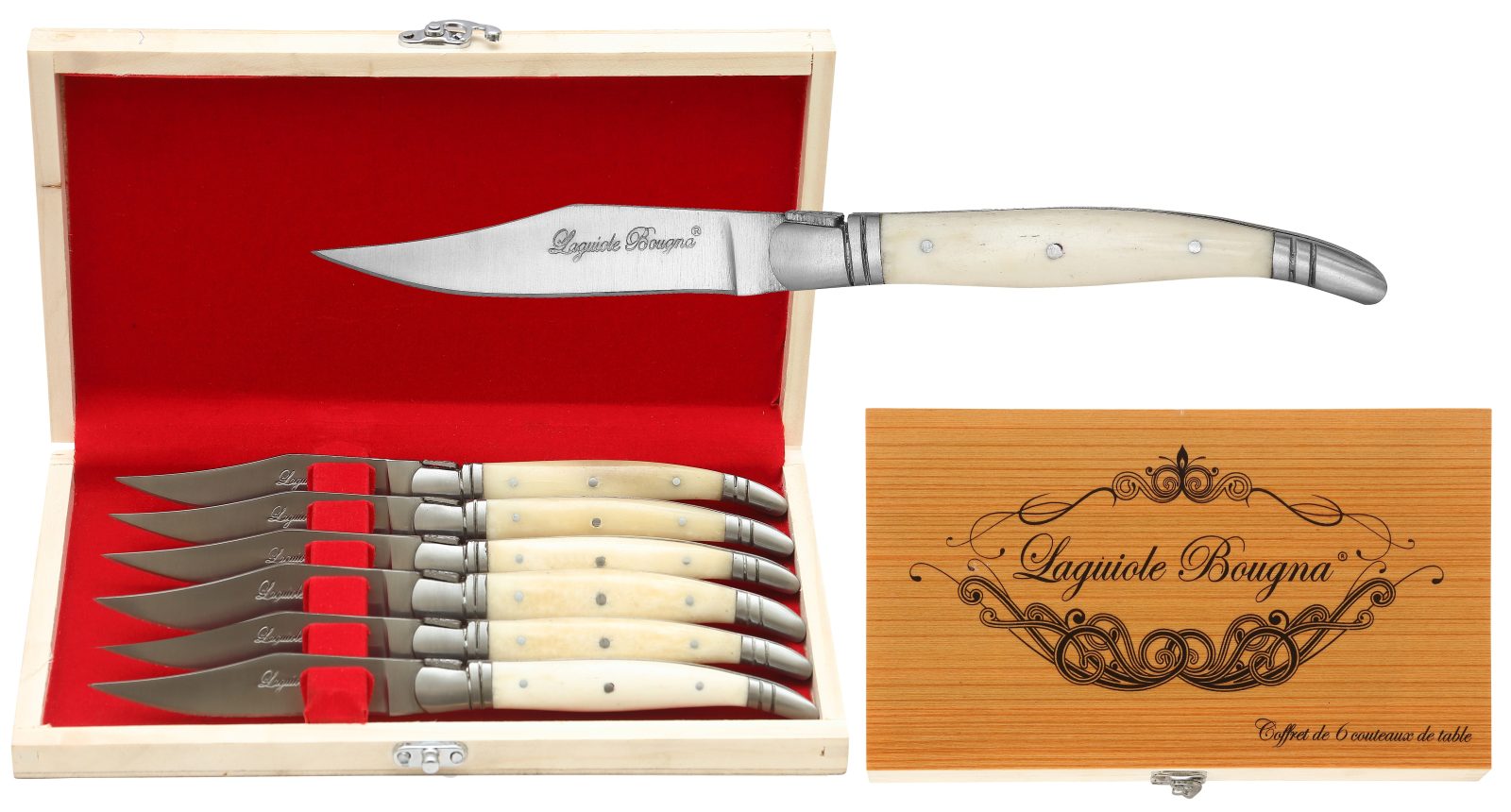
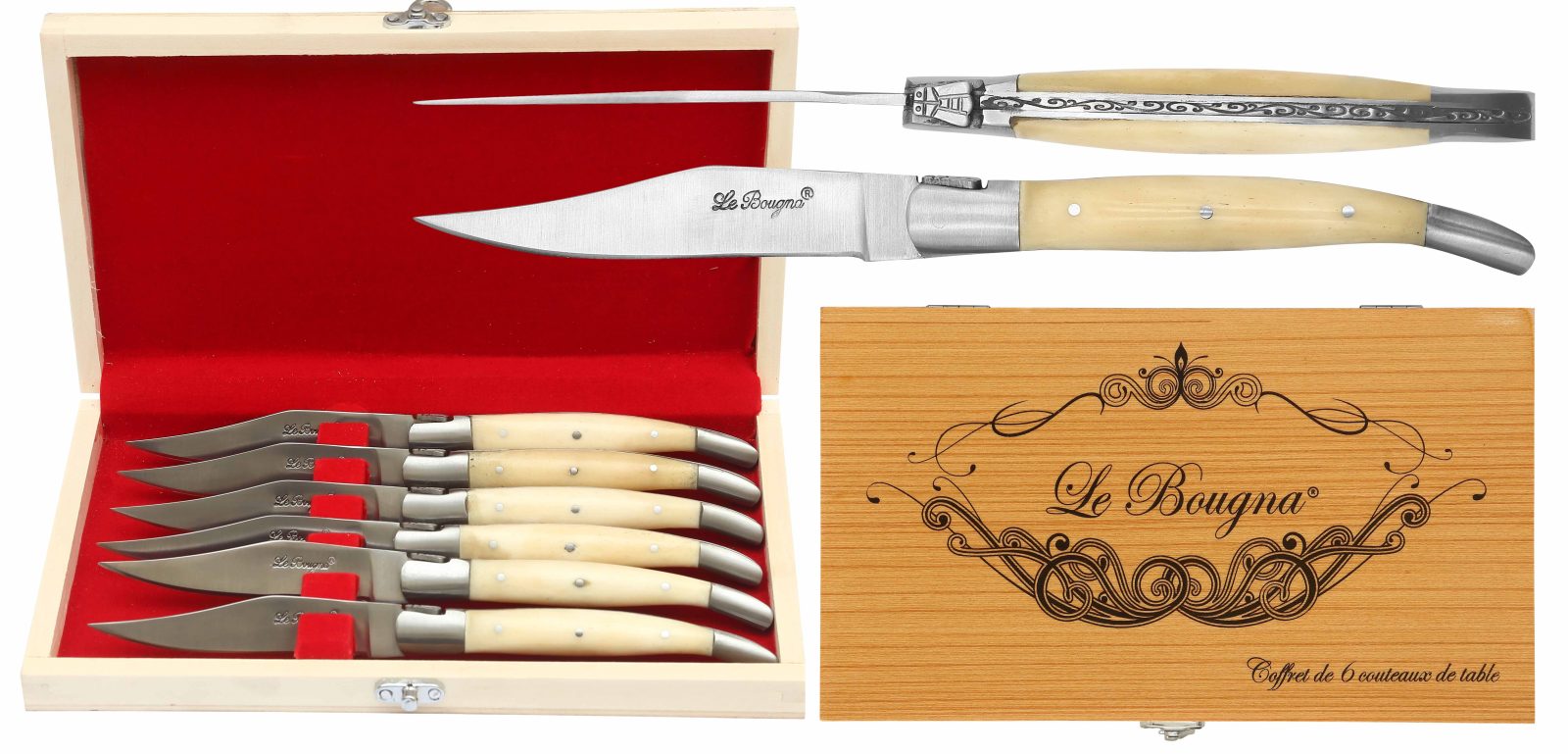
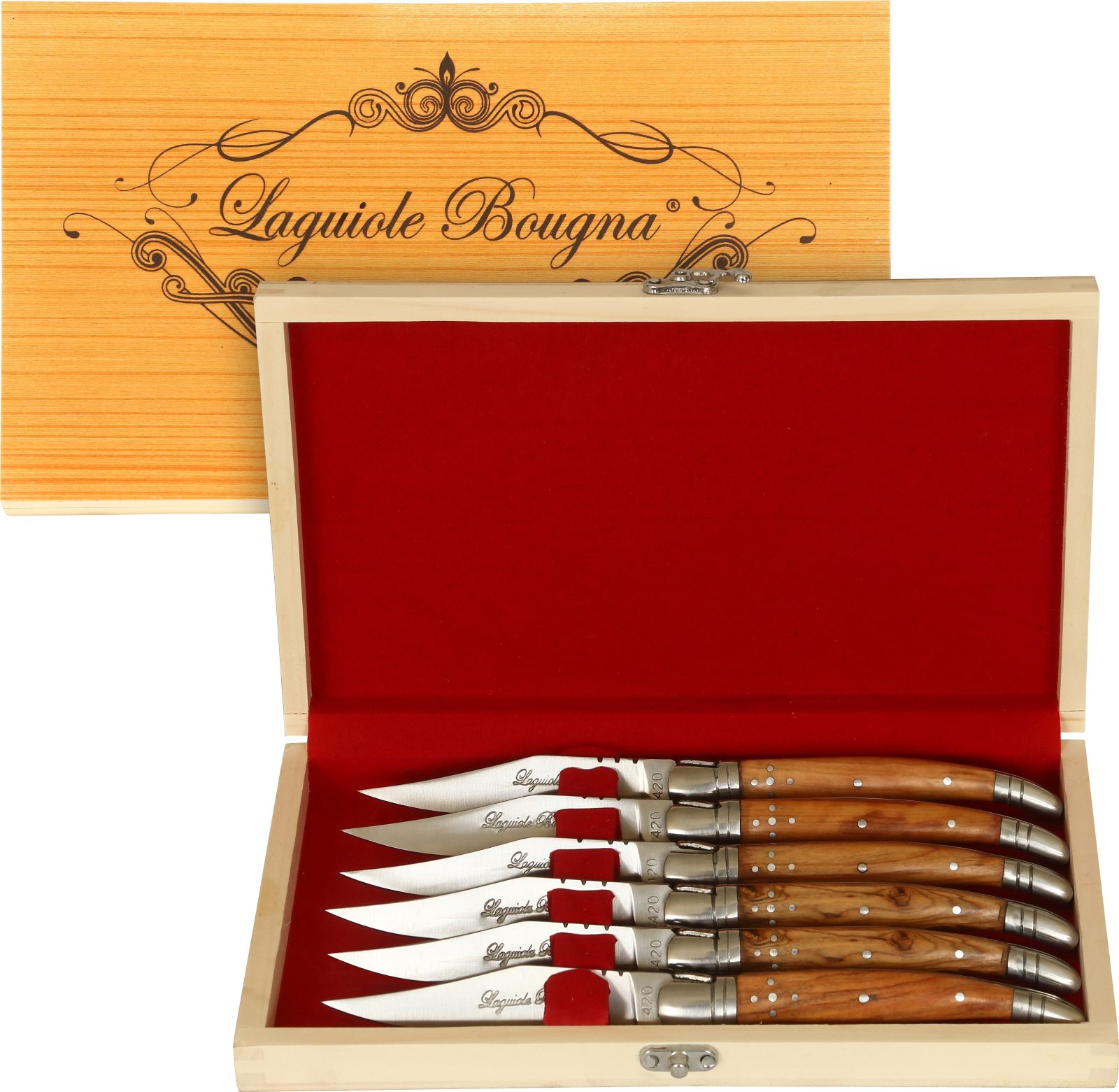
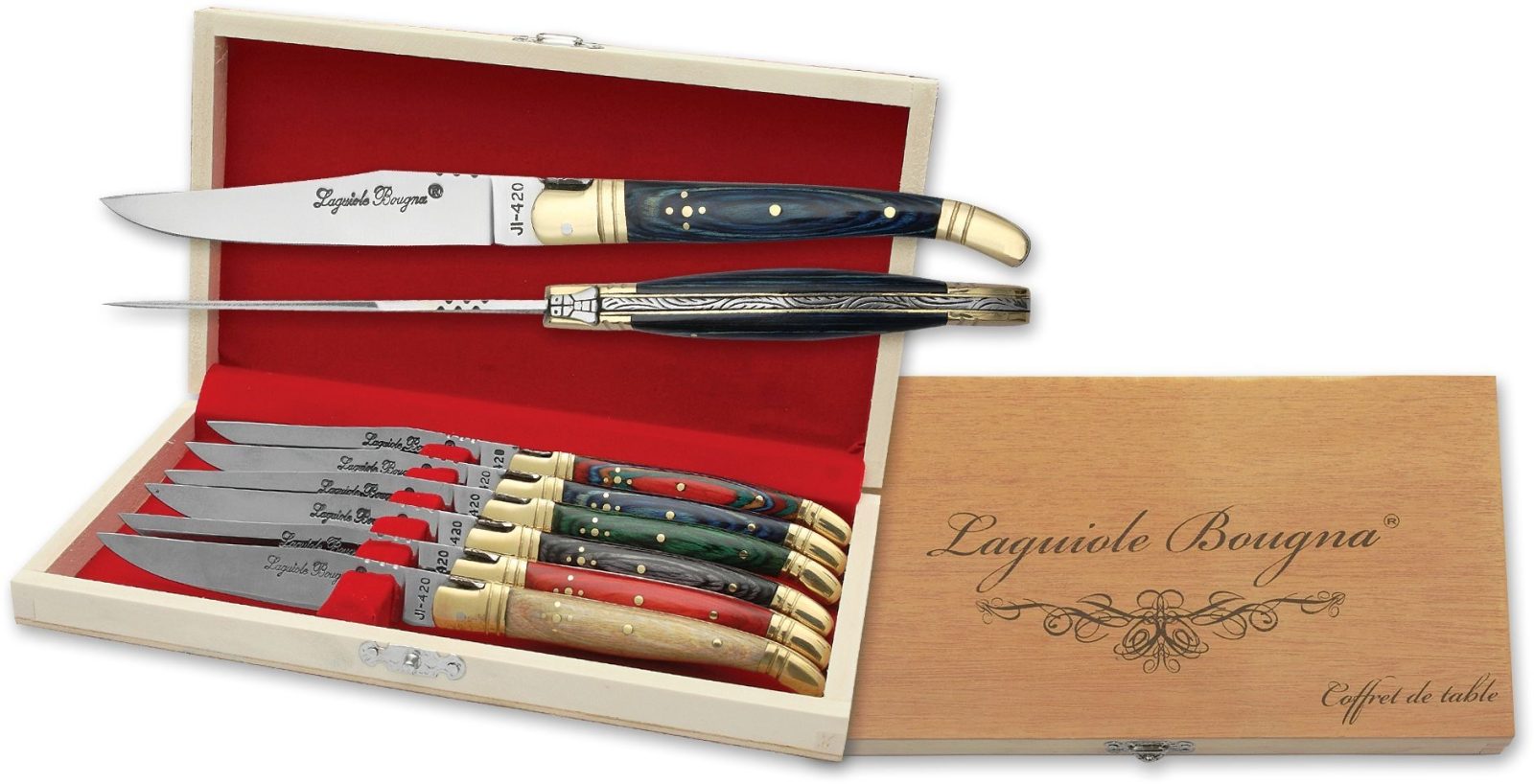
This table knife set of 6 has teak wood handles, inox bolster and a sharpening steel, in a wooden case, made in Pakistan.

$29.75
Unit price. Rates are degressive by quantity, size and material.
Wholesale $20.83
Ask about this item on WhatsApp
  • Factory direct Sialkot, since 1982
  • Worldwide shipping
  • Private label on request
  • Wholesale pricing by quantity

About this knife

This table knife set pairs six 11.5 cm 420-steel blades with 12 cm teak wood handles and a polished inox bolster, plus a matching sharpening steel, all in a wooden presentation case. Manufactured in Pakistan, its natural wood finish suits retailers wanting a classic tableware option. A wholesale item for retailers targeting tableware and dining gift customers.

Specifications

Weight
1.007 kg
Blade size (cm)
11.5
Handle size (cm)
12
Blade
420 Steel
Handle
Teak wood
Bolster
Inox
Knife Notes

Know-how from our Sialkot workshop

Questions & answers

Curved blades and teak: buyer questions

Are Pakistan knives any good?

The good ones hold their own anywhere, and this set has the details that matter at the table: curved 11.5 cm blades in 420 stainless steel, polished inox bolsters, 12 cm teak handles and a steel to keep the edges aligned. When the case arrives, sight along each Pakistani blade to check that the curve matches on all six.

How much does this curved-blade set cost in Pakistan?

The price is shown at the top of the page, in rupees for visitors from Pakistan, and covers the full case. For hotel, restaurant or shop orders, the price per set comes down with quantity; tell us how many on WhatsApp or by email.

Why choose curved blades?

A curved edge meets food progressively as you draw the knife, so it slices through roasts and grilled meat with less pressure and less tearing than a straight edge pushed straight down.
Pro tip

Let the curve do the cutting

With a curved blade, start each cut near the heel and draw the knife back towards you so the edge rolls along its curve to the tip. That long, gliding stroke needs almost no downward pressure and leaves cleaner slices of roast lamb or chicken than sawing does. It is the simplest way to get the best from this Pakistan cutlery, and it spares your plates from scratches too.

How to use

Before, during and after a roast dinner

A roast dinner shows off curved table knives better than any other meal. Here is the whole routine with this set:

  1. An hour before guests arrive, hone each blade on the steel, lifting the handle slightly as you reach the tip so the curved section keeps contact at the same angle.
  2. Lay each knife to the right of the plate, edge inwards, with the teak handles aligned.
  3. Serve the meat in generous slices: the curved edge portions it easily on the plate, so there is no need to pre-cut.
  4. After the meal, wash the knives by hand, dry the teak at once and return them to the case.

A Pakistan knife with a wood handle used this way stays sharp and handsome for years.

The story

Pointed tips, rounded manners

Until the seventeenth century, most Europeans carried their own knife to meals, a pointed blade used to spear food as well as cut it. As forks spread, the point lost its job, and table knives gradually took on broader blades suited to cutting and pushing food. A popular story credits Cardinal Richelieu with having the points of his household's knives ground down, and King Louis XIV of France is said to have later restricted pointed knives at table.

The table knife has kept evolving ever since, and curved edges like these 11.5 cm blades of 420 steel are one more step: shaped for drawing through food rather than stabbing it. Paired with teak handles and inox bolsters, this set from Sialkot sits comfortably within that long tradition.