Pruning Knives Ref. 3600

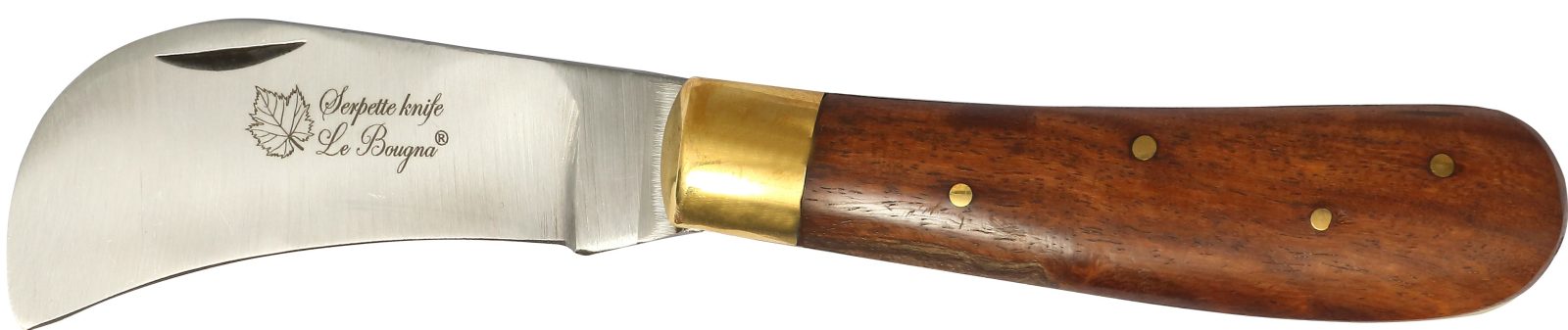
Teak Wood Handle Serpette Pruning Knife – 8.5 cm Handle

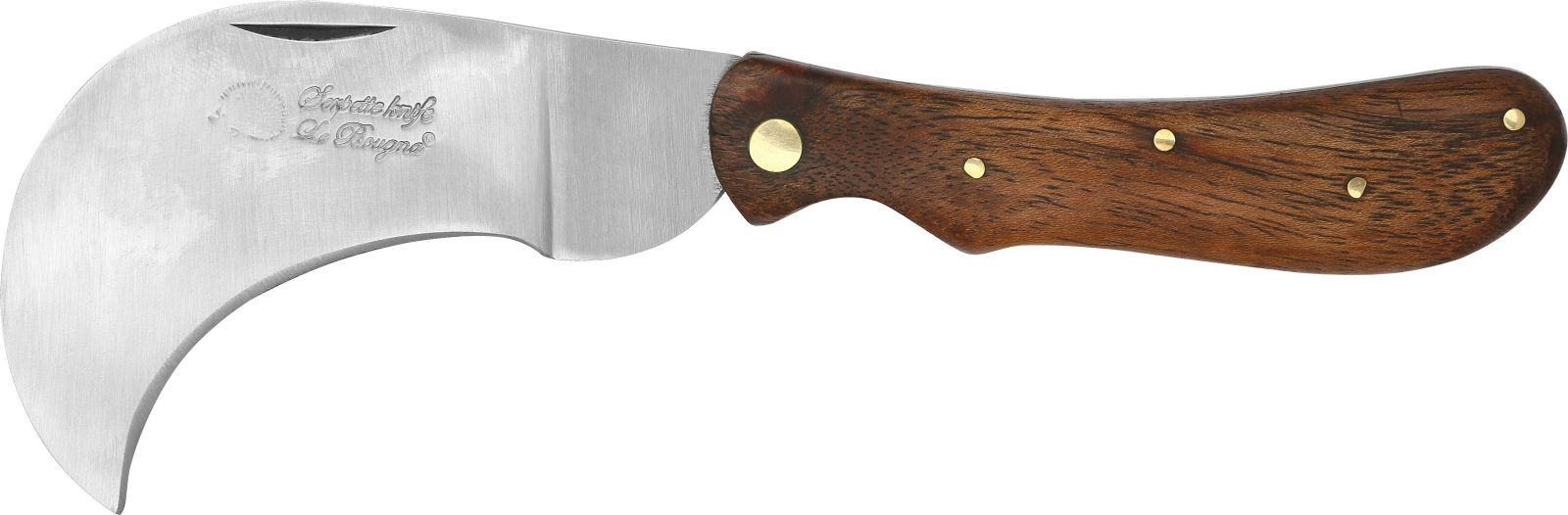
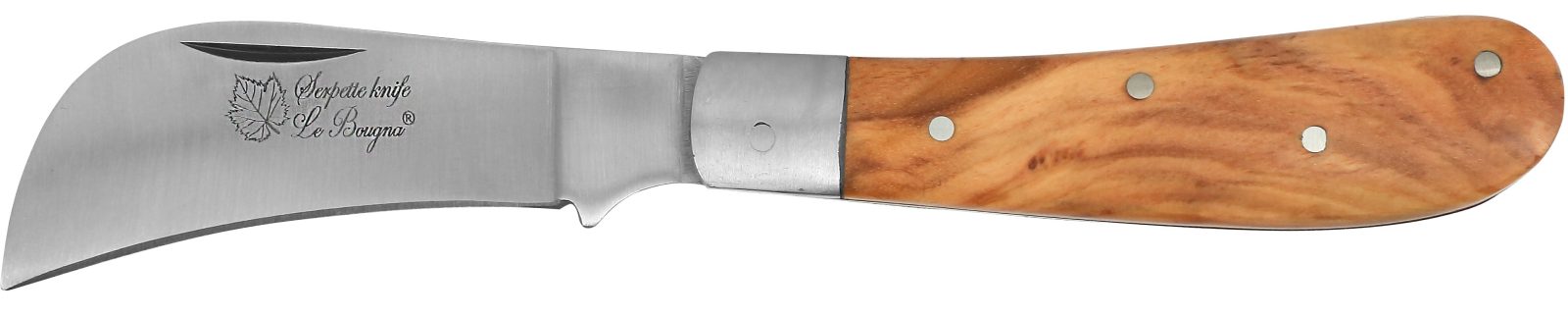
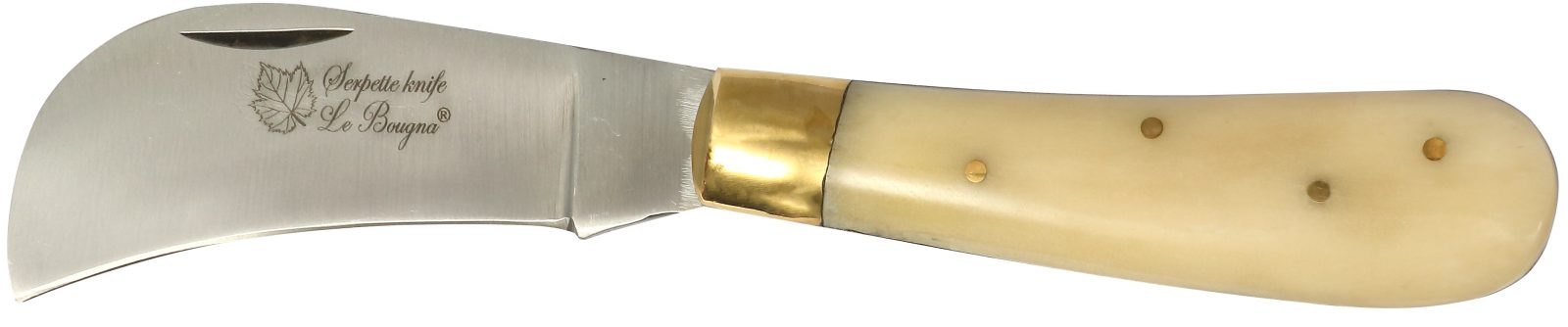
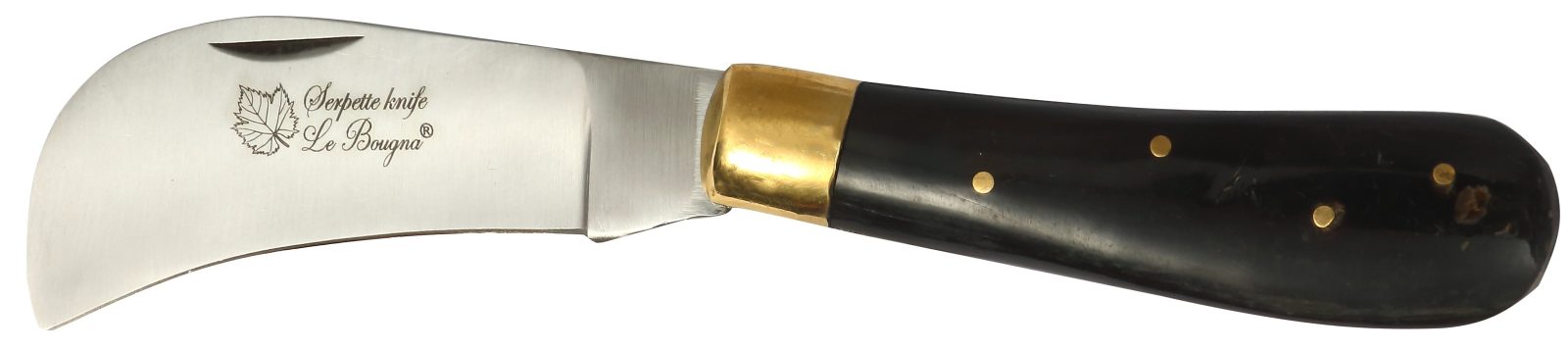
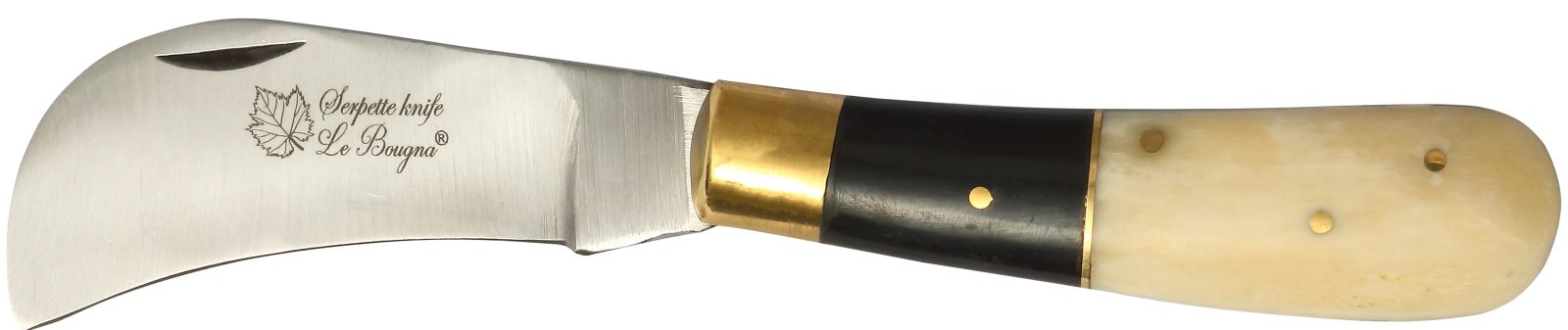
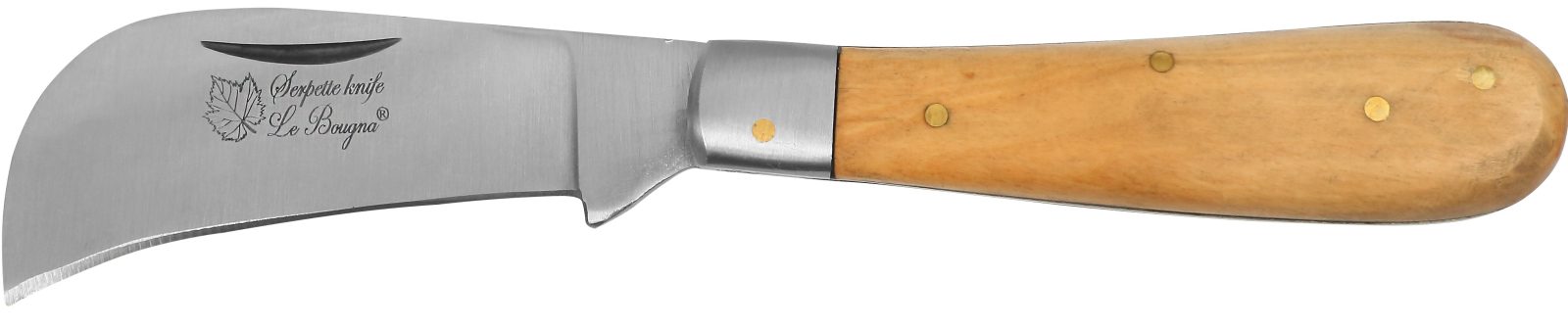
This serpette pruning knife has a hawksbill blade and teak wood handle, inox bolster, made in Pakistan.

$2.75
Unit price. Rates are degressive by quantity, size and material.
Wholesale $1.93
Ask about this item on WhatsApp
  • Factory direct Sialkot, since 1982
  • Worldwide shipping
  • Private label on request
  • Wholesale pricing by quantity

About this knife

This serpette pruning knife pairs a 7 cm curved hawksbill blade, traditionally used for vine pruning and grafting, with an 8.5 cm teak wood handle and a polished inox bolster. Manufactured in Pakistan, its hooked edge is purpose-built for cutting and shaping vines and small branches. A wholesale item for retailers targeting gardening, vineyard and orchard customers.

Specifications

Weight
0.077 kg
Blade size (cm)
7
Handle size (cm)
8.5
Handle
Teak wood
Bolster
Inox
Knife Notes

Know-how from our Sialkot workshop

Questions & answers

What vine growers ask about the small teak serpette

Are Pakistan knives any good?

Judge this one by what you can check in a minute: a 7 cm hawksbill blade that sits centred in the handle when folded, a polished inox bolster fitted flush against the teak, and a joint that opens without grit or wobble. Teak is a dense, oily wood that tolerates wet gloves and damp mornings among the vines. Small serpettes like this have long been a staple of the Sialkot cutlery trade.

What is the folding knife price in Pakistan for this serpette?

The price for one piece sits at the top of this page, in rupees (PKR) when you browse from Pakistan, and you can order it directly over WhatsApp. Garden shops and vineyard suppliers taking larger quantities pay less per knife: send us your numbers by WhatsApp or email for a wholesale quote.

Is the 8.5 cm handle big enough for a large hand?

It is the compact size of the family, closer to a pocket tool than a full field knife. Most adults hold it comfortably for short jobs such as deadheading and tying in, but anyone pruning all day with big hands may prefer one of the 10 cm handle models in the same range.

The story

Roman vine dressers and their curved blades

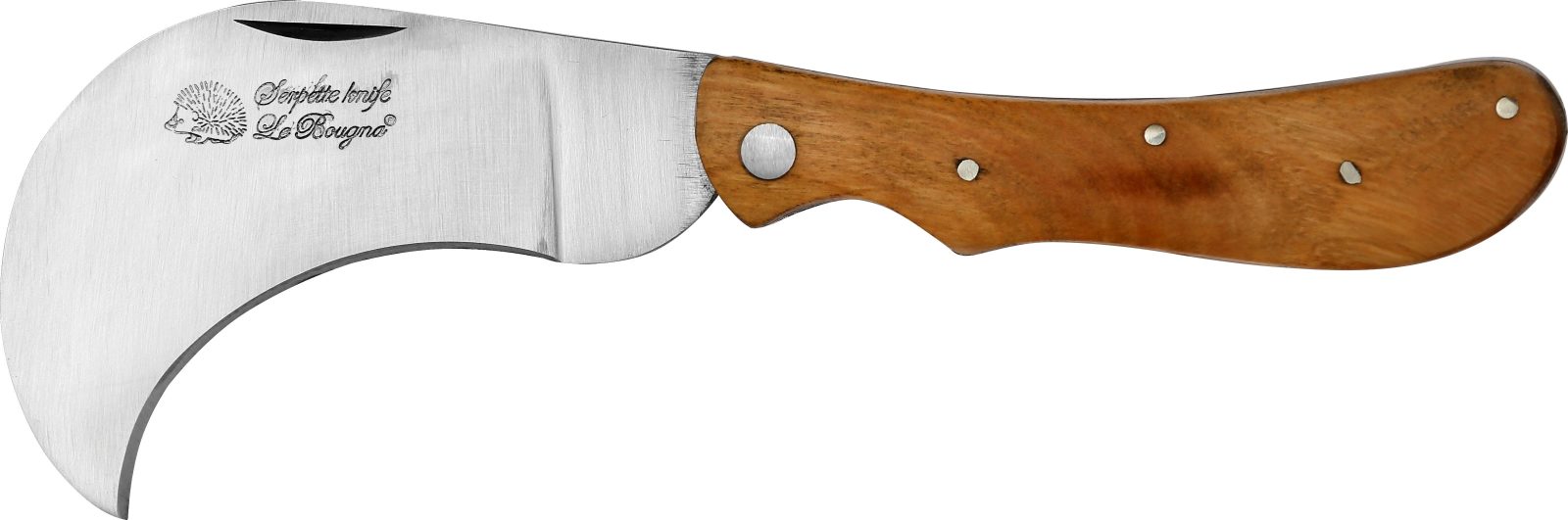
Curved pruning knives are among the oldest specialised tools in farming. In the first century AD the Roman agricultural writer Columella described the vine dresser's knife in careful detail, naming each part of its blade, from the straight section near the handle to the hooked beak at the tip, and explaining which cut each part was for. Versions of that tool have worked in vineyards ever since.

The serpette knife is its pocket-sized descendant: a short hooked blade that folds into its handle so it can ride in a jacket between the rows. This one keeps the proportions small, a 7 cm blade in an 8.5 cm teak handle, which makes it a light, easy-to-carry Pakistan folding knife for gardeners who look after a few vines rather than a whole estate.

Sharpening

Putting an edge back on a short hawksbill curve

A hooked edge is concave, so a flat stone laid across it touches only the heel and the point. Work the curve in short sections instead:

  1. Use the rounded edge of a bench stone, or a tapered ceramic rod, so the abrasive can reach the inside of the 7 cm curve.
  2. Hold a bevel of about 20 to 25 degrees, a little steeper than a kitchen knife, because pruning edges meet knots and grit.
  3. Stroke in small arcs from heel to tip, turning the handle as you go so the contact point travels along the hook.
  4. Raise a slight burr along the whole edge, then remove it with a few light, alternating passes on each side.
  5. Wipe away the steel dust before folding the blade into the teak handle.
Pro tip

Tape the teak so it never vanishes in the leaves

A brown teak handle disappears the moment it drops among prunings, leaf litter or mulch, and a dropped knife can take an hour to find. Stick a strip of bright orange or yellow tape along each flat side of the handle, keeping it clear of the open edge where the blade folds in. It peels off cleanly at the end of the season and turns this little Pakistan knife into something you can spot from the end of the row.