Pruning Knives Ref. 3602

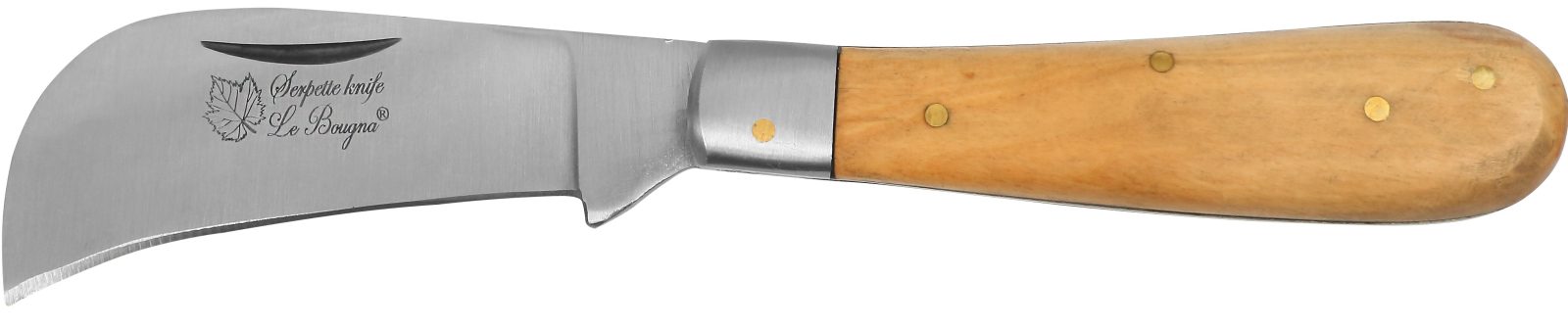
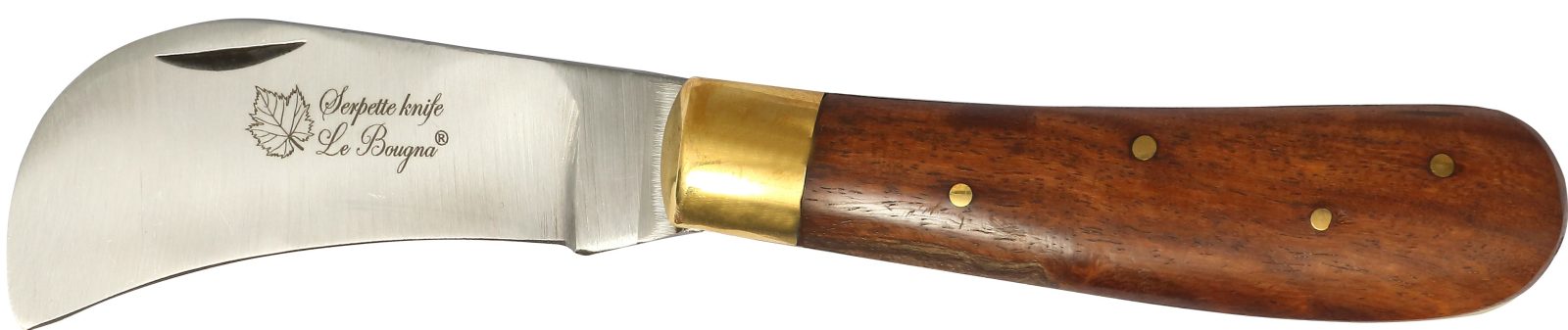
Teak Wood Handle Wide-Blade Pruning Knife – 10 cm Handle

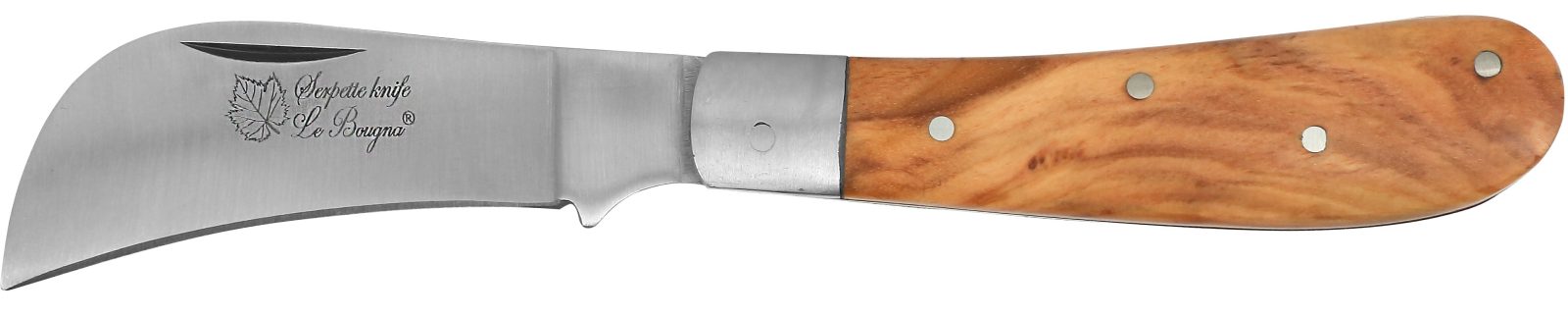
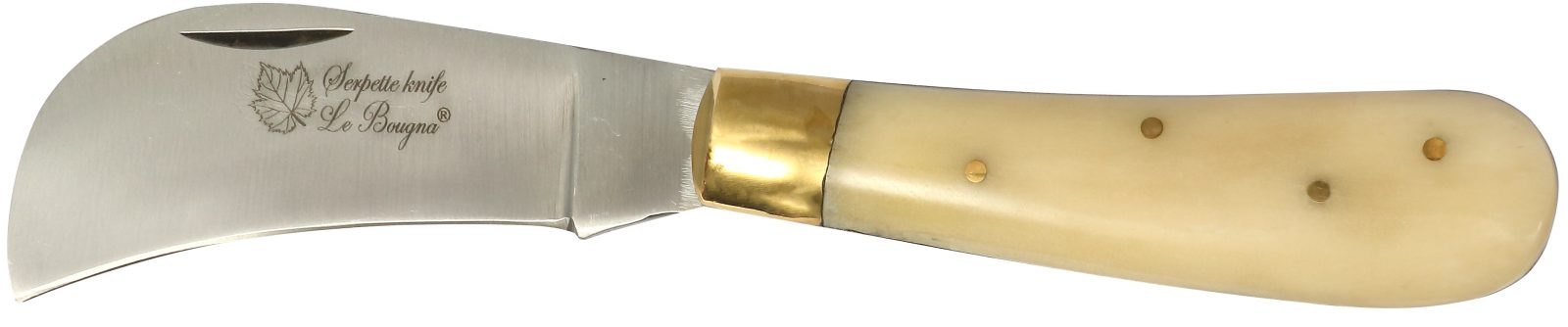
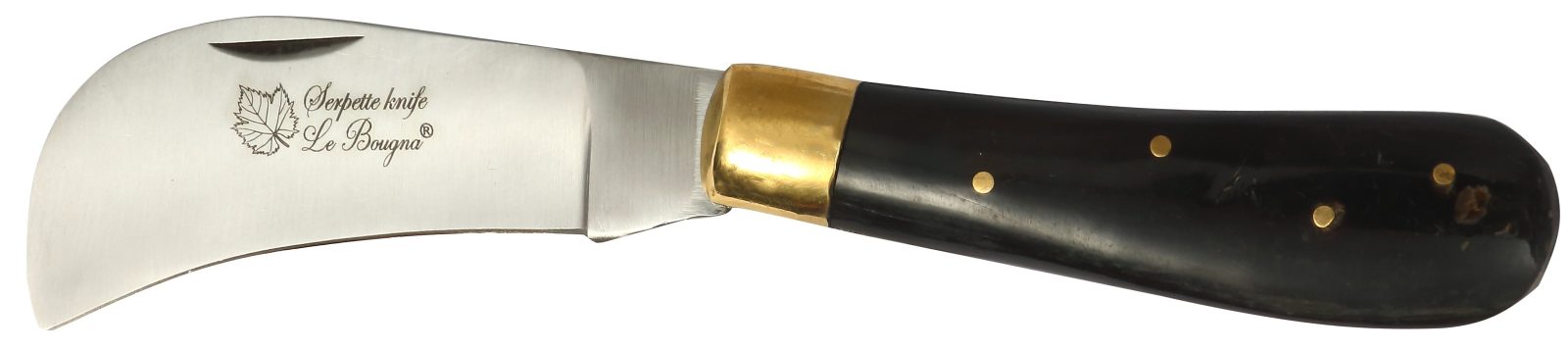
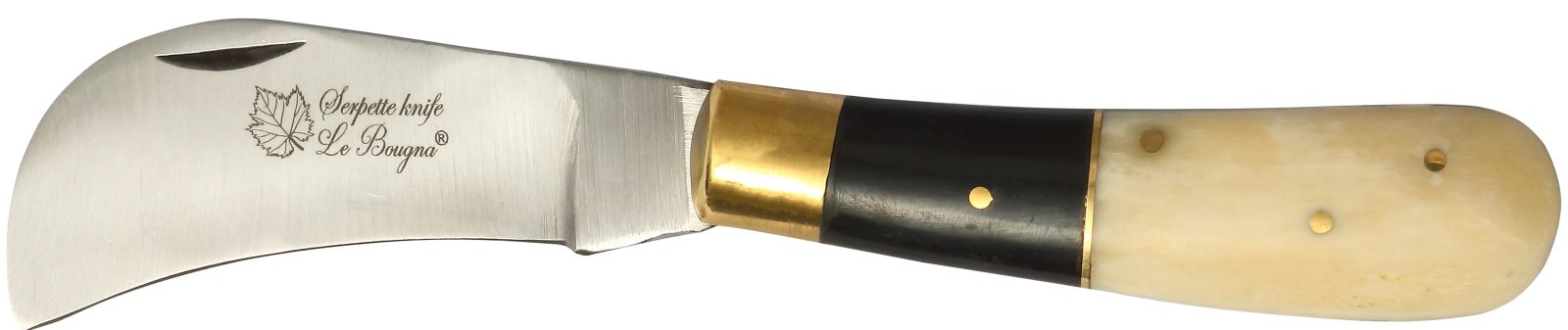
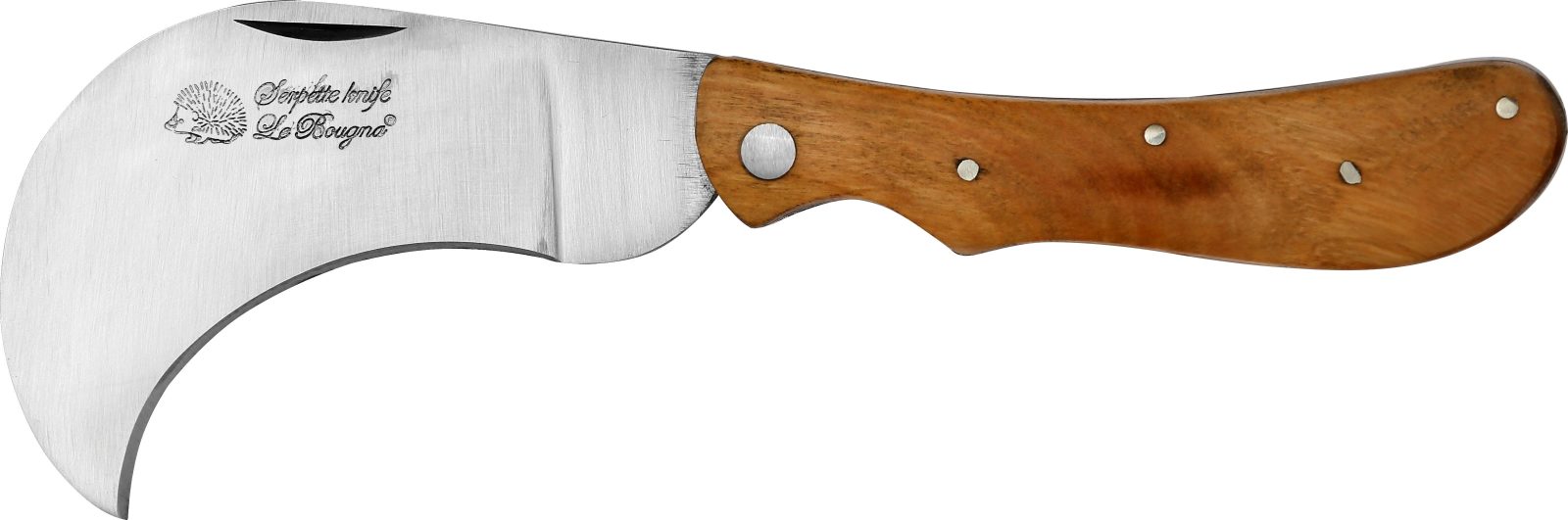
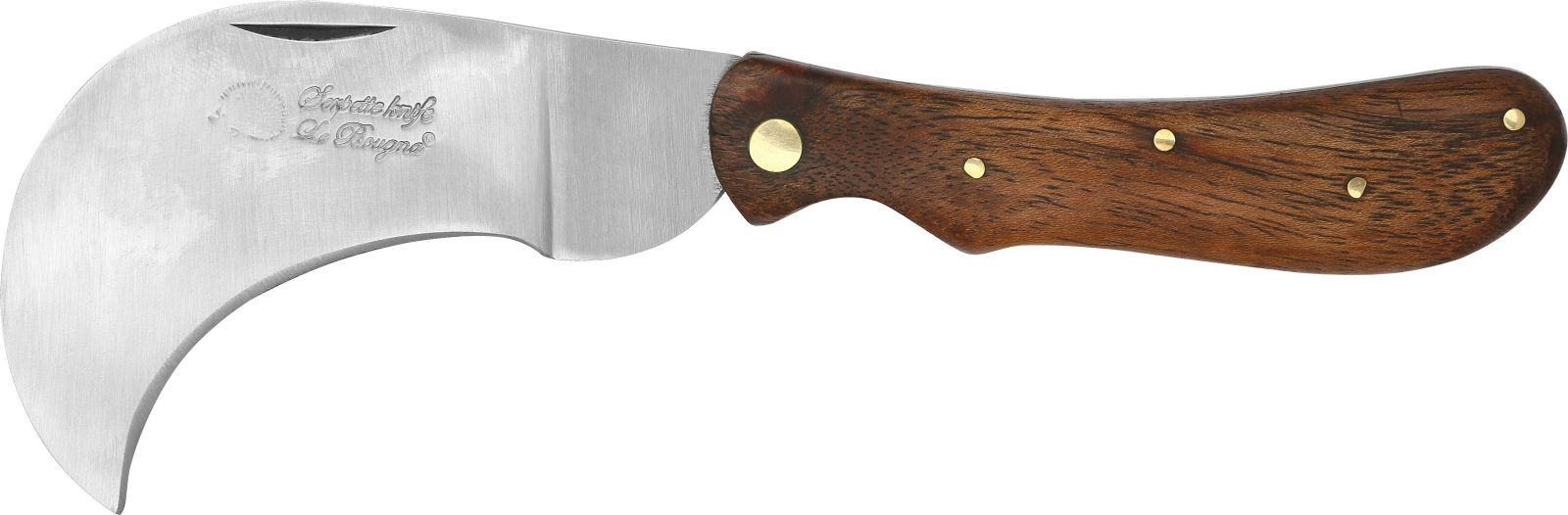
This pruning knife has a wide hawksbill blade and teak wood handle, made in Pakistan.

$3.80
Unit price. Rates are degressive by quantity, size and material.
Wholesale $2.66
Ask about this item on WhatsApp
  • Factory direct Sialkot, since 1982
  • Worldwide shipping
  • Private label on request
  • Wholesale pricing by quantity

About this knife

This serpette pruning knife pairs a wide 8.5 cm curved hawksbill blade with a 10 cm teak wood handle, its broader profile suited to heavier vine and branch cutting. Manufactured in Pakistan, it's built for genuine field use in vineyards and orchards. A wholesale item for retailers targeting gardening and pruning tool customers.

Specifications

Weight
0.108 kg
Blade size (cm)
8.5
Handle size (cm)
10
Blade
Stainless steel
Handle
Teak wood
Knife Notes

Know-how from our Sialkot workshop

Gift ideas

For gardeners who tackle thicker wood

The broad 8.5 cm hawksbill on this model is meant for heavier cuts than a slim vine knife, which narrows down who will really use it:

  • Allotment holders with currant and gooseberry bushes to thin each winter.
  • Smallholders who clear brambles and woody growth along their fences.
  • Anyone who has just taken over an old orchard and its tangle of suckers.
  • Grape growers who still cut back old wood by hand.

Wrapped with a note on how to make the pulling cut, a serpette knife with a 10 cm teak handle is a present that gets used every season.

Made in Sialkot

Wide blades, teak handles and Sialkot's divided trade

Sialkot's cutlery industry has long been organised around specialist workshops: one forges or stamps the blanks, another grinds, another fits handles and polishes. A wide hawksbill such as this begins as a broader stainless blank than a slim vine knife, and the grinder has to hold an even bevel all the way round a deeper curve, which takes a practised hand.

The 10 cm teak handle is then shaped, sanded and finished so the grain stays visible. Teak is naturally oily and resists moisture well, which is why it has long been a favourite for a wooden handle folding knife that will meet damp ground and sticky sap.

Questions & answers

Teak, blade width and price: answers for stockists

Does Pakistan make good knives?

It does, and the cutting-tool trade around Sialkot has been exporting for generations, from scissors and surgical instruments to garden knives. Quality still varies between makers, so check what matters on this model: an even grind across the wide stainless curve, teak that meets the steel without gaps, and an edge that closes centred in the 10 cm handle.

What is the price of this folding knife in Pakistan?

It is shown at the top of the page, per piece, in rupees (PKR) for visitors in Pakistan. Shops comparing Pakistan knives for sale for a season's stock can ask on WhatsApp or by email for a quantity price, which falls as the order grows.

Why choose the wide blade over a slim one?

A broader blade is stiffer, so it flexes less when pulled through a thumb-thick branch or a stubborn old shoot. The slimmer versions are nimbler among dense young canes; this one is the better pick when the wood is older and harder.

The story

Billhook ancestors of the pocket pruning knife

Before folding knives were common, country people across Europe cut hedges, coppice poles and vines with the billhook, a heavy hooked blade on a fixed handle. Local smiths gave it dozens of regional shapes, some broad for splitting stakes, others narrow and light for laying hedges, and many of those patterns are still made today.

Shrink the billhook, give it a pivot and a wooden handle, and you have the folding pruning knife. This wide-blade version keeps more of its ancestor's character than most: the broad 8.5 cm hawksbill is aimed at the harder wood a slender vine knife would struggle with, yet it still folds away into a 10 cm teak handle that fits a jacket pocket.