Honey Teak Wood Folding Knife – 10.5 cm Blade, 12 cm Handle, Inox Bolster

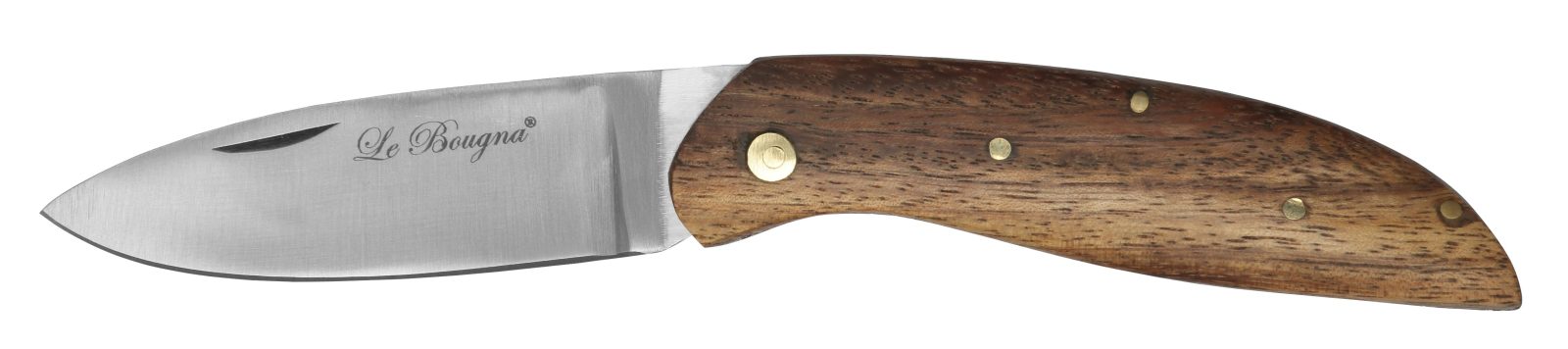
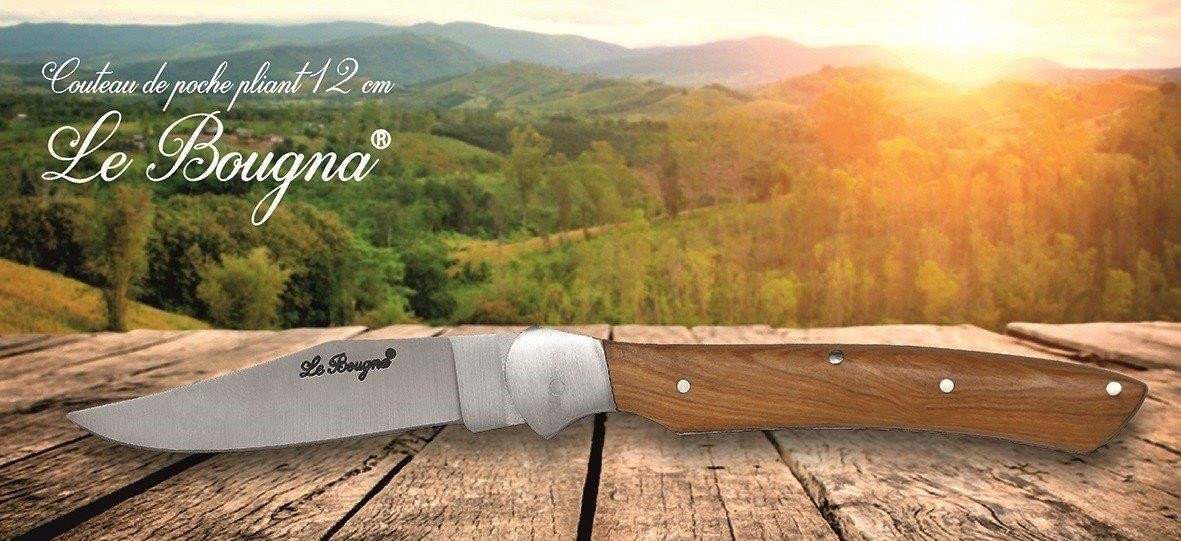
Honey-coloured teak wood handle with three steel pins, polished inox bolster, 10.5 cm stainless blade, 12 cm handle.

$4.10
Unit price. Rates are degressive by quantity, size and material.
Wholesale $2.87
Ask about this item on WhatsApp
  • Factory direct Sialkot, since 1982
  • Worldwide shipping
  • Private label on request
  • Wholesale pricing by quantity

About this knife

A traditional pocket knife in its simplest, most timeless form. The 12 cm handle is cut from light, honey-coloured teak with a straight grain, held by three steel pins and finished with a rounded, polished inox bolster.

The 10.5 cm stainless steel blade has a slim profile with a gently curved edge, ideal at the table, for slicing sausage and cheese, or on a walk. It weighs just 95 g.

Teak is naturally rich in oils, so a light wipe of food-safe oil now and then keeps the wood glowing. A best-seller among Pakistan knives with a wood handle, supplied wholesale. Compatible sheath ref. 2070, sold separately.

Specifications

Weight
0.095 kg
Blade size (cm)
10.5
Handle size (cm)
12
Blade
Stainless steel
Handle
Teak wood, three steel pins
Bolster
Inox
Compatible sheath
Ref. 2070, sold separately
Knife Notes

Know-how from our Sialkot workshop

Questions & answers

Honey teak folder: what buyers want to know

Does the lock mechanism feel secure?

The way to know is to try it. With the slim blade open, it should rest firmly at full extension and stay in line with the teak handle; press on the spine and nudge the tip sideways to make sure there is no wobble. Closing should need a deliberate push. A quick check like this is worth doing on every folder you buy.

What is the stainless Pakistan knife price for this teak model?

In Pakistan, the unit price in rupees (PKR) is shown at the top of the page and orders can go through WhatsApp. As wholesale knife suppliers, we quote lower rates per piece as quantities rise; email or WhatsApp us the number you need.

Is it suitable at the table?

Very much so. The slim blade with its gently curved edge is good for slicing sausage, cheese and fruit, and at 95 g it sits comfortably in the hand through a long meal. Many buyers keep one in a picnic basket or beside the bread board.


The story

When everyone brought their own knife to dinner

For much of European history, diners were expected to bring their own knife to the table. Hosts provided the food, not the cutlery, and a knife carried on the person did duty at meals, at work and on the road. Even after table settings became common, farmers and travellers kept the habit of slicing their sausage and cheese with the knife from their pocket.

This honey teak model belongs to that tradition: a slim 10.5 cm blade with a gently curved edge, three steel pins through a straight-grained 12 cm handle, and a rounded inox bolster. It is a Pakistan folding knife in its simplest, most timeless form.

Gift ideas

Modest presents that get used for decades

A simple, well-made knife is the kind of present that ends up in daily use for years, and this honey teak model suits recipients who value that.

  • A food lover who enjoys cheese and cured sausage on a walk.
  • A newly retired friend planning more time outdoors.
  • A host, as a thank-you left with a bottle and a good loaf.
  • A colleague leaving the team, with initials engraved on request.

Given together with its sheath, ref. 2070, this stainless steel Pakistan knife makes a tidy, practical gift.

Sharpening

Polishing a slim, curved table edge

A slim blade with a gentle curve is quick to sharpen, provided the stone follows the curve.

  1. Use a fine whetstone, 1000 grit then 3000 or higher, since a table edge needs finesse more than bite.
  2. Hold an angle of about 15 to 20 degrees, a touch lower than for a heavy work knife.
  3. Sweep from the inox bolster to the tip, raising the handle slightly as the edge rounds towards the point.
  4. Strop lightly on leather to polish the edge for clean slices of cheese.
  5. Wash, dry and wipe a trace of oil over the teak before folding.

Repeat only when slices start to tear instead of falling cleanly.