Mushroom Knives Ref. 3750

Teak Wood Handle Mushroom Knife with Cord Lanyard – 12 cm Handle, Inox Bolster

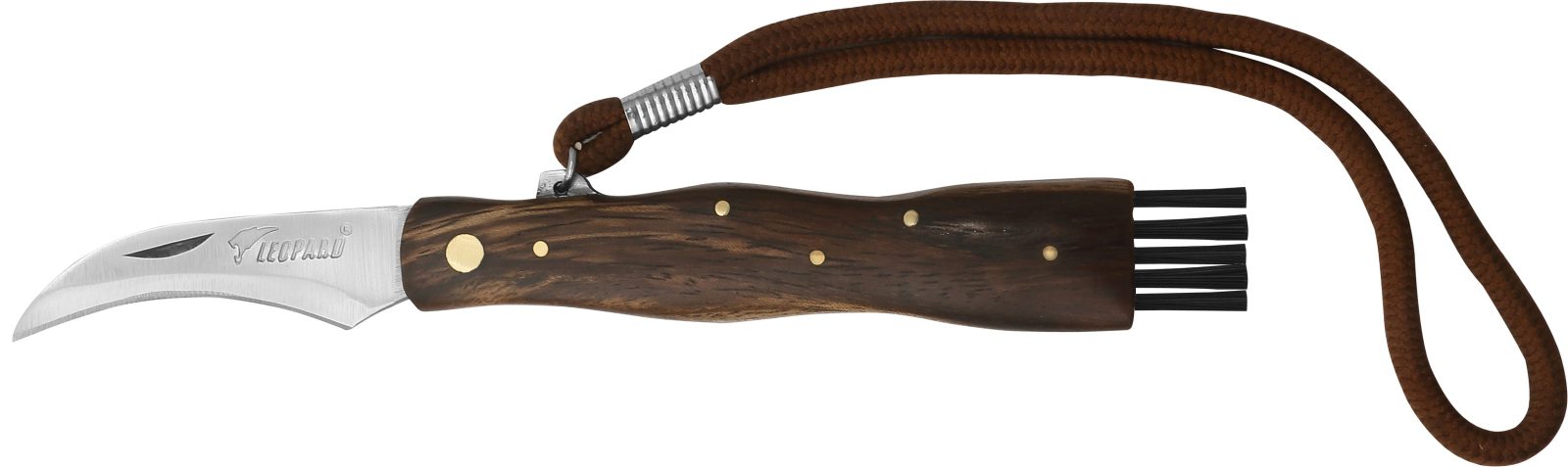
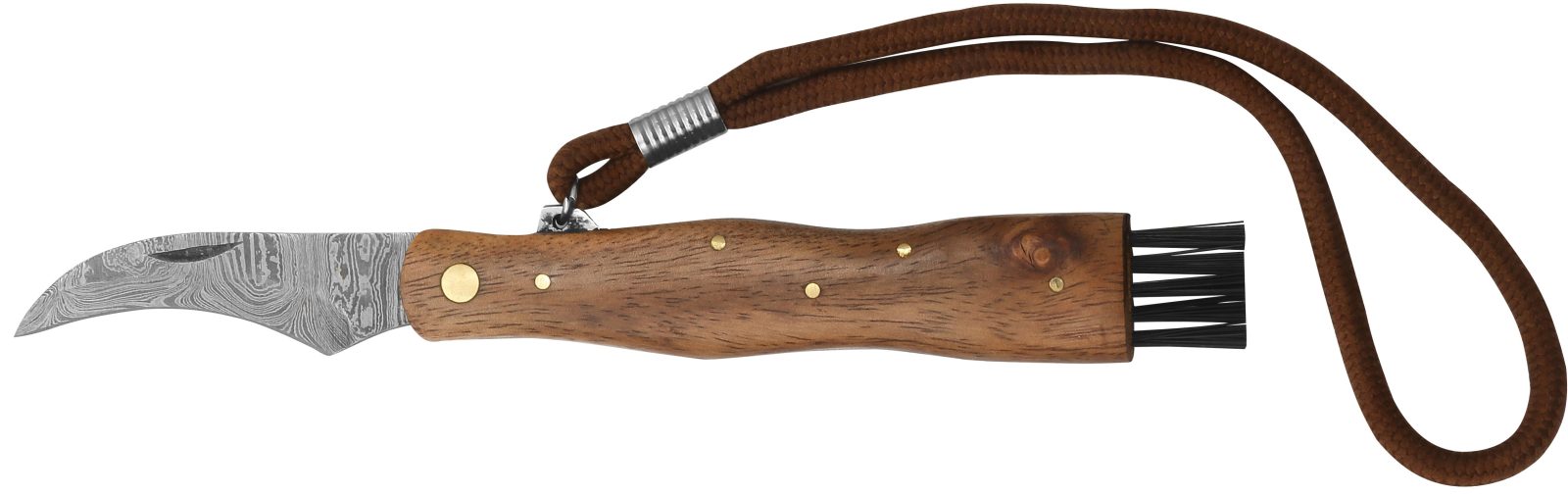
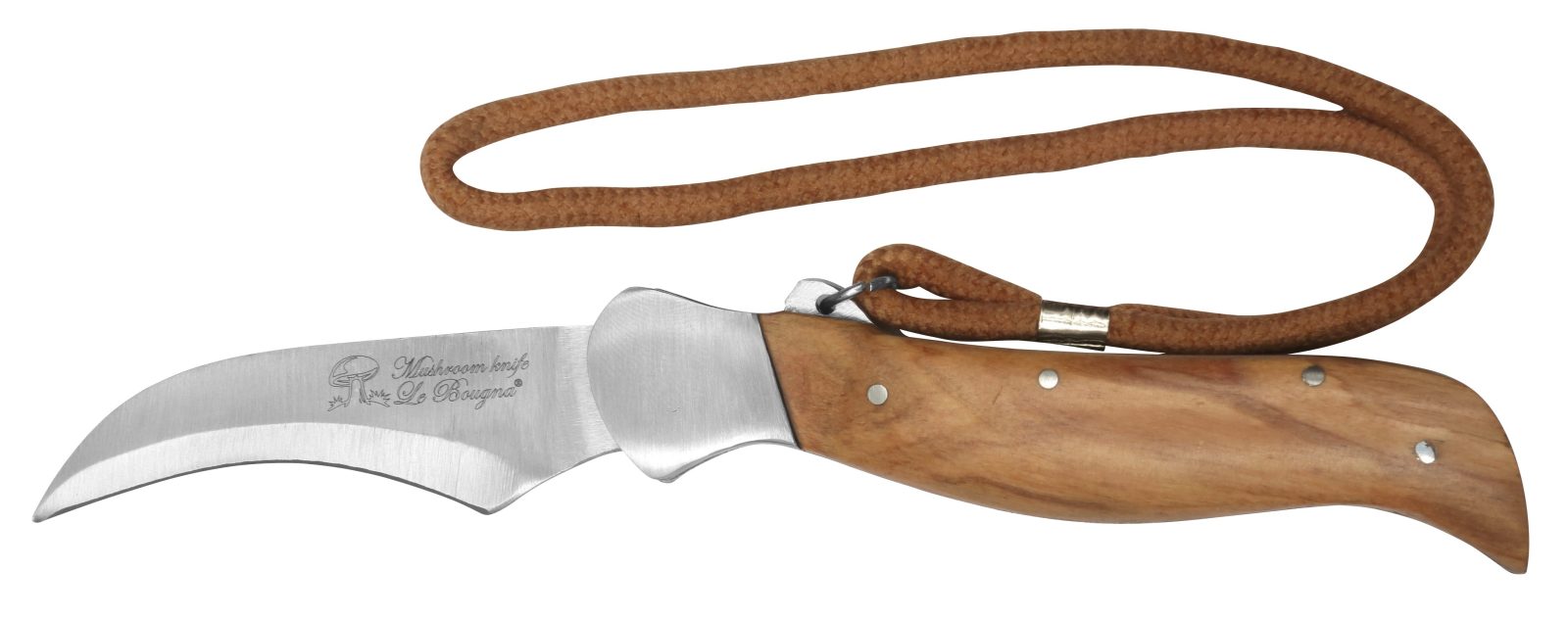
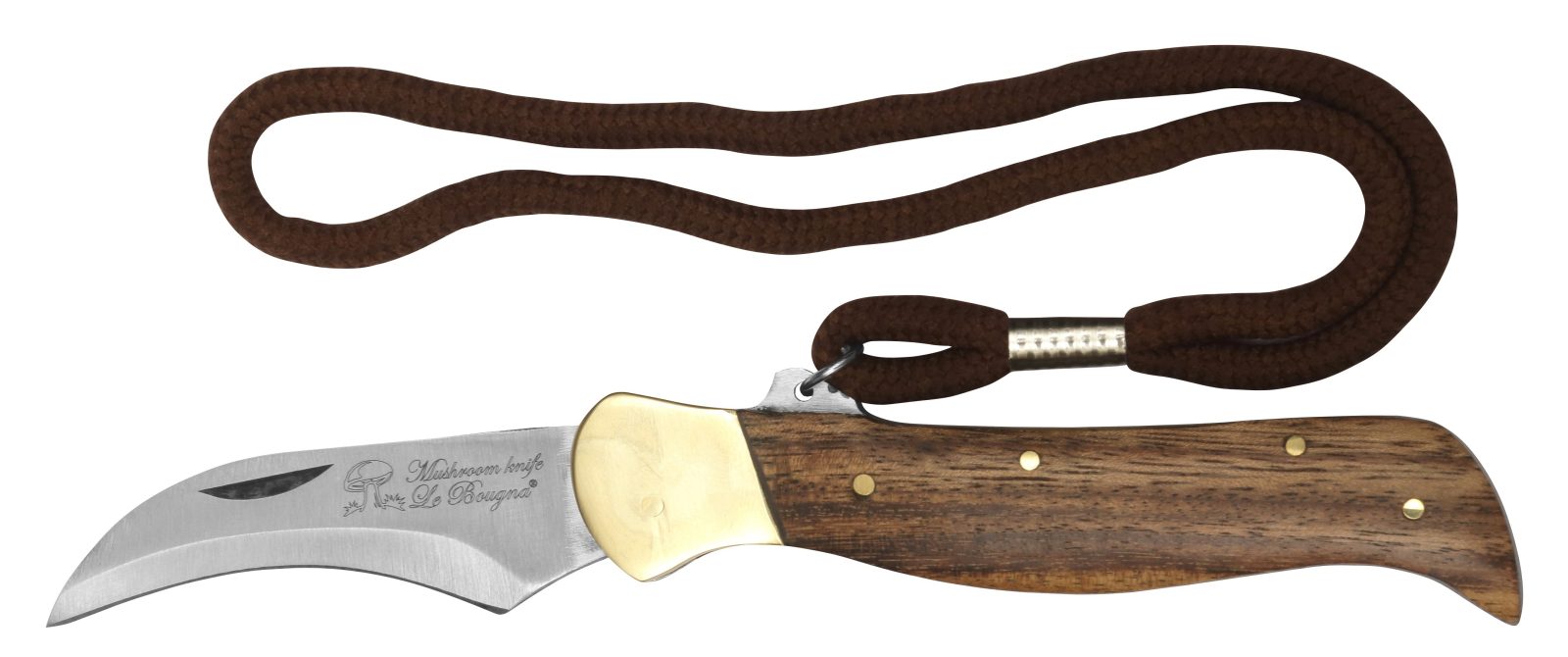
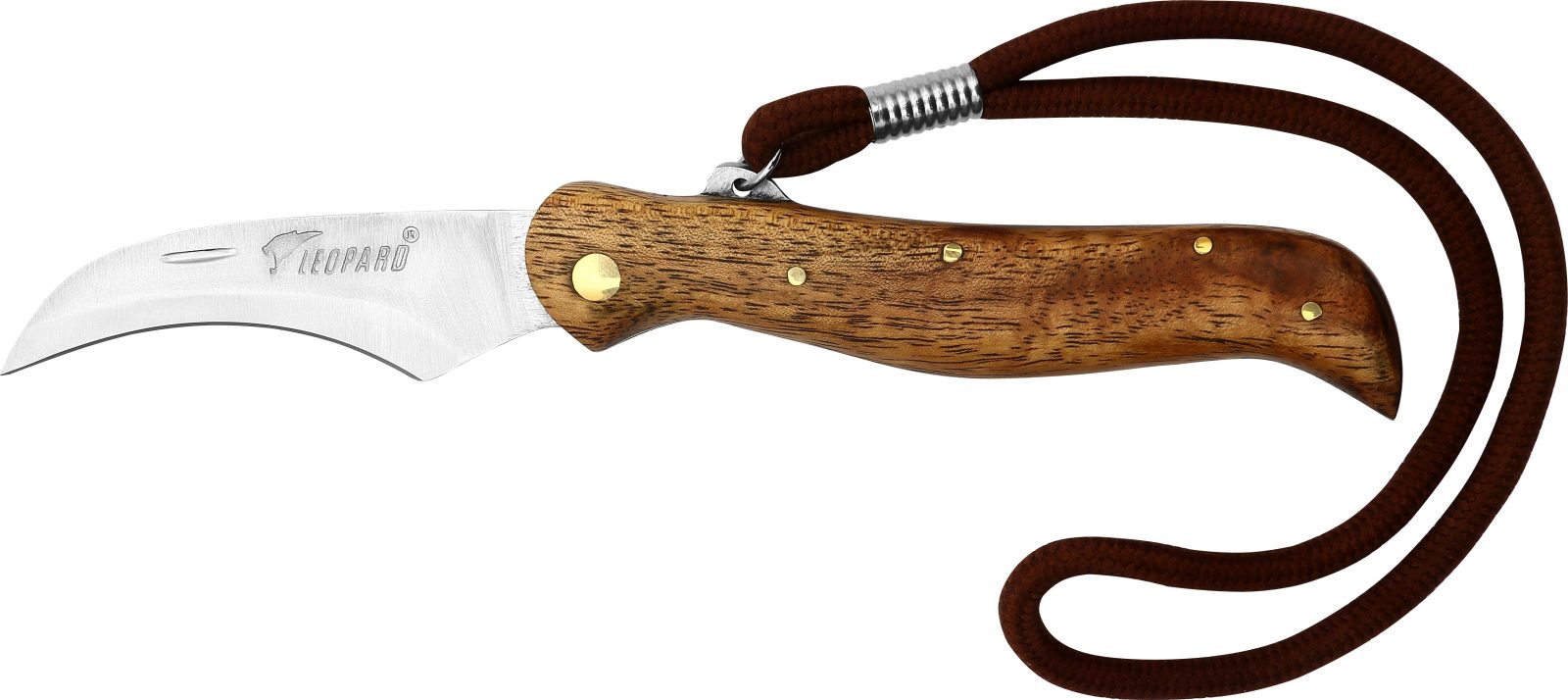
This mushroom knife has a serrated hawksbill blade and a cord lanyard, teak wood handle, inox bolster, made in Pakistan.

$3.35
Unit price. Rates are degressive by quantity, size and material.
Wholesale $2.35
Ask about this item on WhatsApp
  • Factory direct Sialkot, since 1982
  • Worldwide shipping
  • Private label on request
  • Wholesale pricing by quantity

About this knife

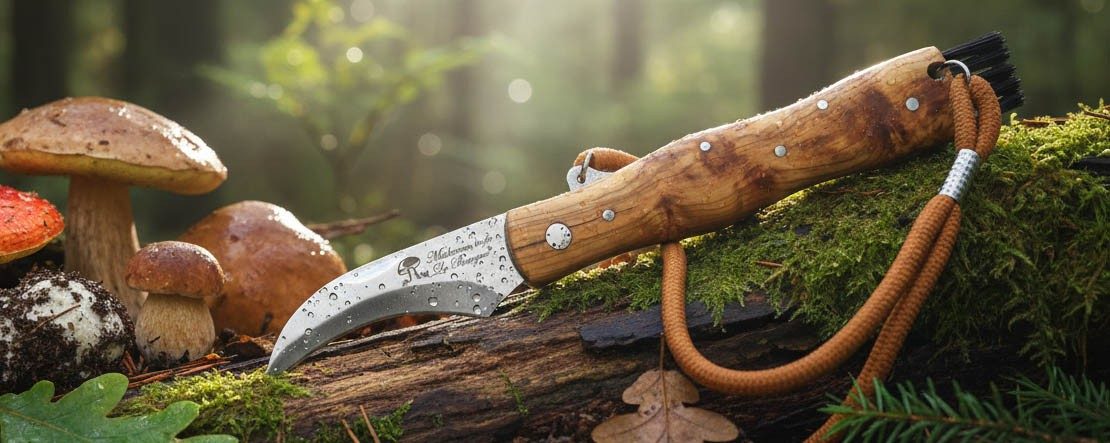
This mushroom knife pairs a 7.5 cm curved, partially serrated blade with a 12 cm teak wood handle, a polished inox bolster and a braided cord lanyard for carrying while foraging. Manufactured in Pakistan, it's built for cutting mushroom stems cleanly at the base. A wholesale item for retailers targeting mushroom hunting and foraging customers.

Specifications

Weight
0.091 kg
Blade size (cm)
7.5
Handle size (cm)
12
Blade
Stainless steel
Handle
Teak wood
Bolster
Inox
Compatible sheath
Ref. 2073, sold separately
Knife Notes

Know-how from our Sialkot workshop

Questions & answers

Lanyard, sheath and lock questions

Does the lock mechanism feel secure?

Here is how to judge it in under a minute. With the blade fully open, push gently on the spine from above and from each side: nothing should shift. Then close it, which should take intent rather than a shake of the wrist. Finally, check that the folded blade rests centred inside the teak, with the serrations clear of the wood. If in doubt, tell us before the knife is sold.

How much does this folding mushroom knife cost in Pakistan?

The price per knife appears in rupees (PKR) at the top of the page for visitors in Pakistan. When ordering stock in quantity, shops and pocket knife wholesale distributors get a lower rate per piece; send us your numbers on WhatsApp or by email.

Is there a sheath to go with it?

Yes, as an option. The black leather sheath ref. 2073 is the compatible model, sold separately, for carrying the knife on a belt instead of on the lanyard.
Made in Sialkot

How a folding mushroom knife comes together in Sialkot

Sialkot's metalworkers have supplied cutlery and surgical instruments to buyers abroad for generations, and folding pocket knives like this one draw on the same skills. Typically the blade is cut from stainless steel, hardened, ground to its hooked profile and polished, with the serrations cut into part of the edge during sharpening.

The handle is where hand finishing shows. Teak is shaped to the 12 cm frame, sanded until the grain stands out and fitted against the polished inox bolster so the join can barely be felt under a thumb. The braided cord lanyard is tied on last, ready for a wrist or a basket handle.

The story

From the vineyard hook to the forager's blade

Hooked blades are among the oldest cutting shapes in Europe. Vineyard workers used the curved serpette to cut grapes and prune vines, and the same pulling cut, where the curve draws the edge through the stem, proves just as useful for harvesting mushrooms close to the ground. Knifemakers call the shape hawksbill, after the hooked beak of a bird of prey.

The lanyard has a seafaring pedigree. Sailors tied their clasp knives to a cord so a dropped knife would not vanish overboard while they worked aloft. Foragers face a quieter version of the same problem, because a knife set down among autumn leaves disappears quickly. Tying this stainless Pakistan pocket knife to a wrist or basket solves it.

Did you know?

Harvesting mushrooms does not shrink next year's crop

A Swiss study that followed forest plots for nearly three decades, published in 2006, found that harvesting mushrooms did not reduce later yields, whether pickers cut the stems or pulled them out. What did reduce fruiting was trampling of the forest floor. So the clean cut of a curved 7.5 cm blade is about a tidy basket, and the real kindness to a wood is a light step.