Pruning Knives Ref. 3803

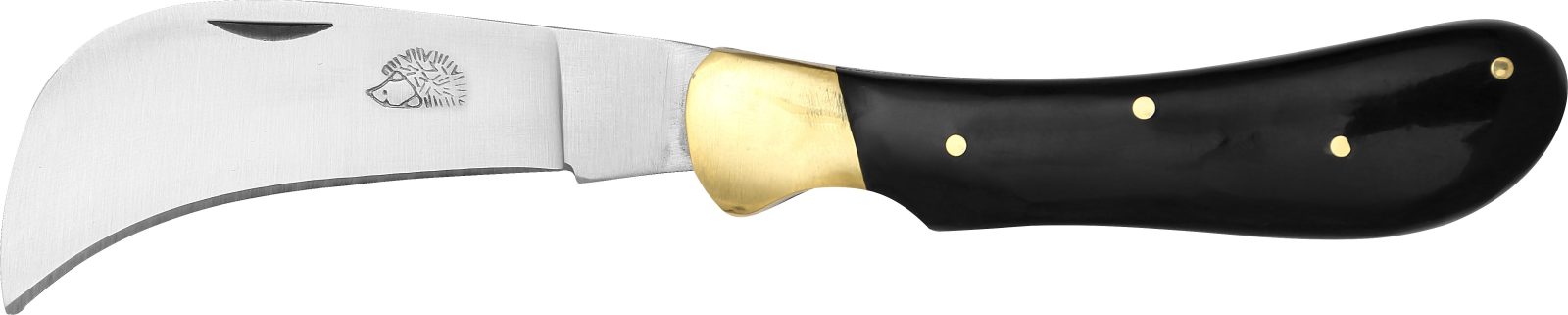
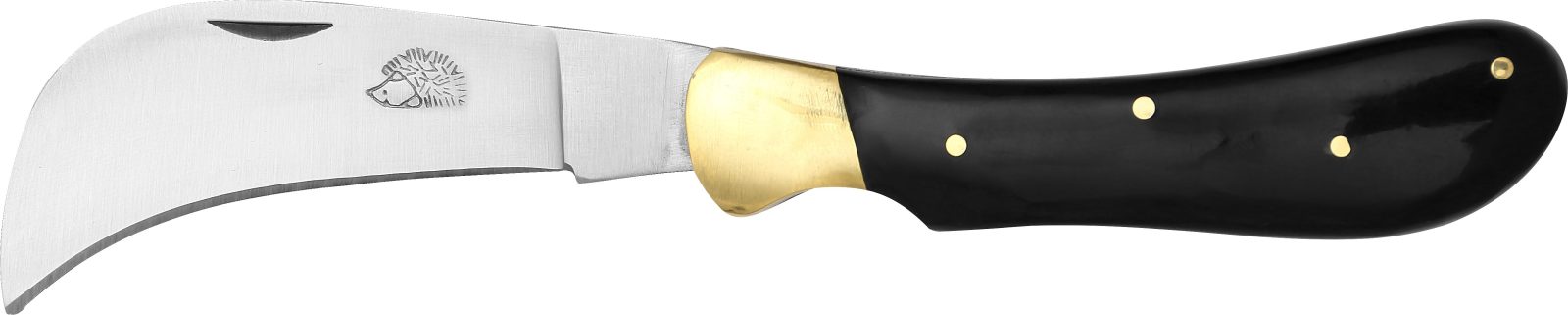
Black Horn Handle Pruning Knife – 8 cm Handle, Brass Bolster

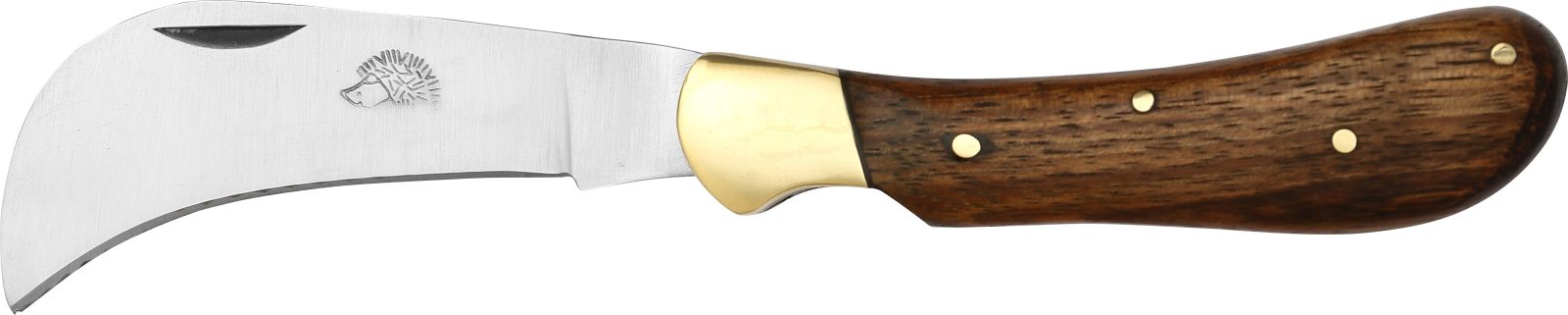
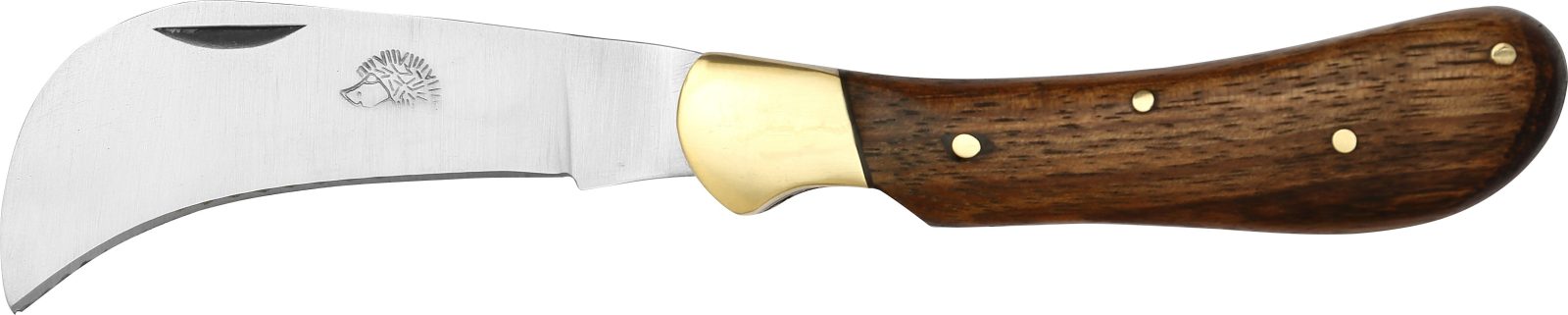
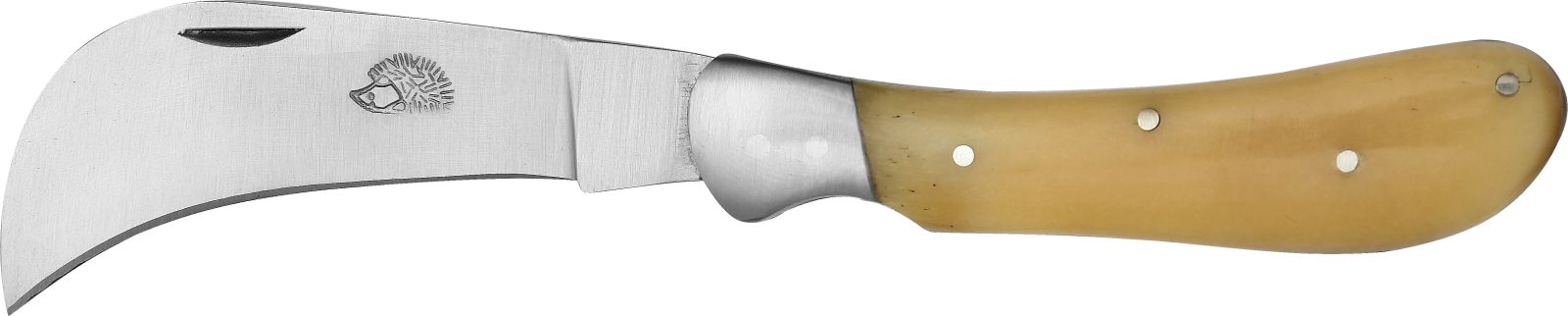
This compact pruning knife has a hawksbill blade and glossy black horn handle, brass bolster, 8 cm, made in Pakistan.

$5.60
Unit price. Rates are degressive by quantity, size and material.
Wholesale $3.92
Ask about this item on WhatsApp
  • Factory direct Sialkot, since 1982
  • Worldwide shipping
  • Private label on request
  • Wholesale pricing by quantity

About this knife

This serpette pruning knife features a 6.5 cm curved hawksbill blade and an 8 cm glossy black horn handle with a polished brass bolster, sized for a compact everyday-carry pruning tool. Manufactured in Pakistan, its dark, polished finish rounds out the compact pruning knife size range. A wholesale item for retailers wanting a horn-handle compact option.

Specifications

Weight
0.098 kg
Blade size (cm)
6.5
Handle size (cm)
8
Blade
Stainless steel
Handle
Horn black
Bolster
Brass
Knife Notes

Know-how from our Sialkot workshop

Questions & answers

Horn, origin and price questions

Does Pakistan make good knives?

Pakistan, and Sialkot in particular, has a long record as a cutlery exporter, supplying pocket knives, kitchen tools and garden knives to importers around the world. Quality depends on the maker and the model, so judge each piece. Here the stainless blade resists the damp of garden work, the brass bolster will not rust, and the glossy black horn is a natural material with real depth. Check that the blade opens firmly and closes centred, and you will know.

What is the Pakistan knife price for this horn model?

You will find the unit price at the top of this page; customers in Pakistan see it in PKR and can order via WhatsApp. Shops and garden centres buying several pieces get a lower rate per knife as volumes grow. For a wholesale quote, tell us the quantity on WhatsApp or by email.

Is the horn real, and does it need special care?

Yes, it is natural horn polished to a gloss, so each handle shows slight variations. Horn is keratin, like a fingernail, and dislikes soaking and dry heat. Wipe it clean, dry it, and rub in a drop of mineral oil now and then to keep it from turning dull or developing fine cracks.

How to use

Taking softwood cuttings with a 6.5 cm blade

Spring and early summer cuttings of lavender, fuchsia, pelargonium or rosemary root best when the base is cut cleanly, not crushed. A short hooked blade knife gives you that clean cut with plenty of control.

  1. Choose a healthy, non-flowering shoot and take it from the plant a little longer than you need.
  2. Hold the cutting by its leaves, rest the stem in the curve just below a leaf joint, and draw the knife towards you in one stroke.
  3. Pinch off the lower leaves by hand, so the edge stays well clear of your fingers.
  4. Wipe the 6.5 cm blade on a damp cloth between plants, then fold it into the horn handle while you pot up the cuttings.
Sharpening

Slip stones for the tight inner curve

Small hawksbill blades are fiddly on a bench stone, because only the tip and heel touch the flat surface. A slip stone with a rounded edge, or a round diamond file, follows the curve instead.

  1. Hold the knife open on a firm surface with the edge facing up, fingers kept below the spine.
  2. Rest the rounded edge of the stone in the curve at roughly 20 degrees and push it along the bevel from heel to tip, a few strokes at a time.
  3. Turn the knife over and repeat on the other side until a fine burr forms, then remove it with lighter, alternating strokes.
  4. Finish with a few passes on a leather belt or strop.

Done every few weeks, this keeps a stainless steel Pakistan knife of this size cutting cleanly for many seasons.

Best uses

Where the compact horn pruner earns its keep

Glossy black horn and a brass bolster make this one of the smartest-looking small pruners in the range, yet its curved 6.5 cm blade is built for real work. It suits jobs where precision matters more than reach, and it is the Pakistani knife we suggest to gardeners who like their tools to look as good as they cut.

  • Rose deadheading and shaping
  • Softwood and semi-ripe cuttings
  • Thinning grape bunches
  • Bonsai and container shrubs
  • Cutting raffia and garden string
  • Trimming stems for flower arrangements