Pruning Knives Ref. 3813

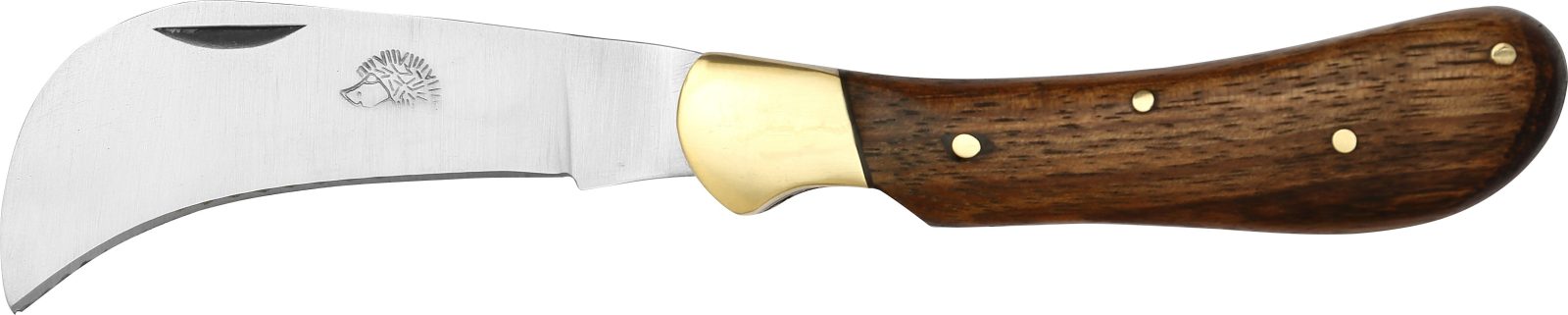
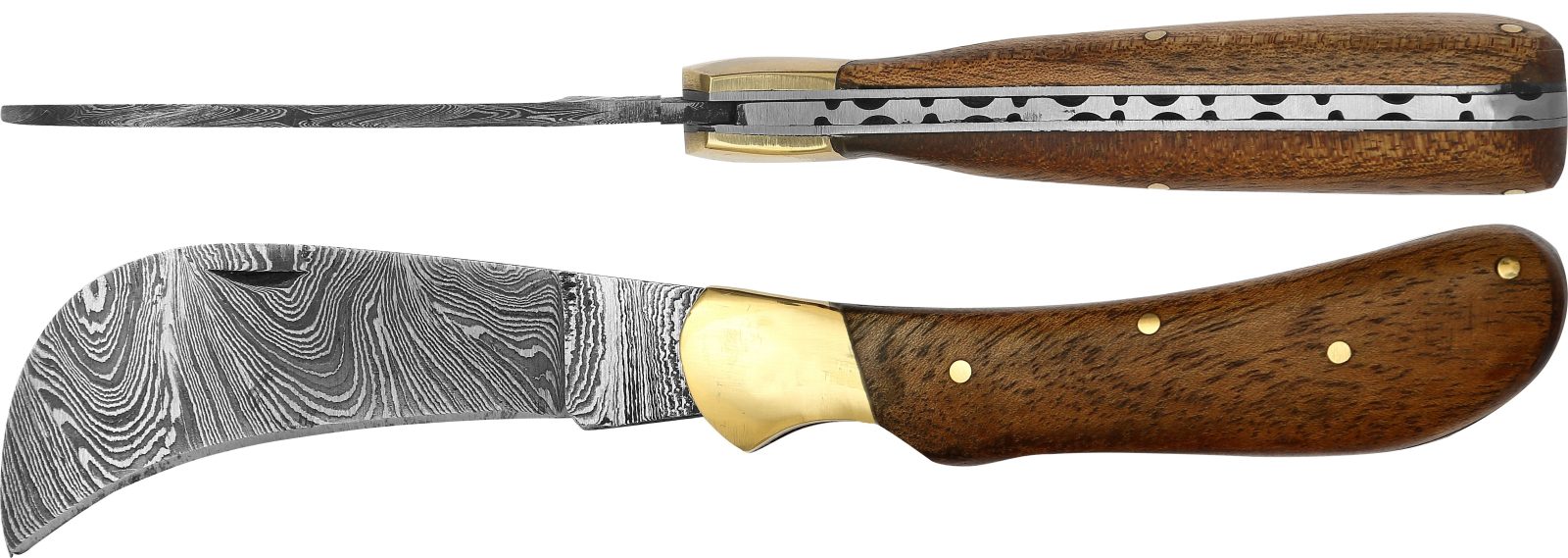
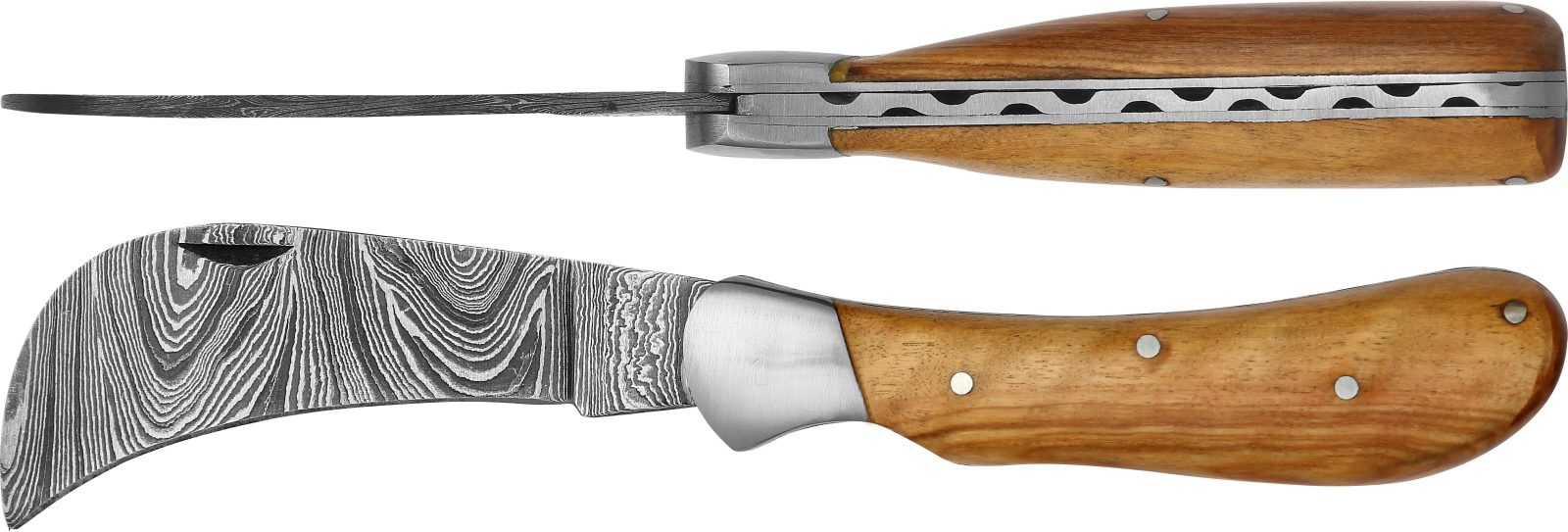
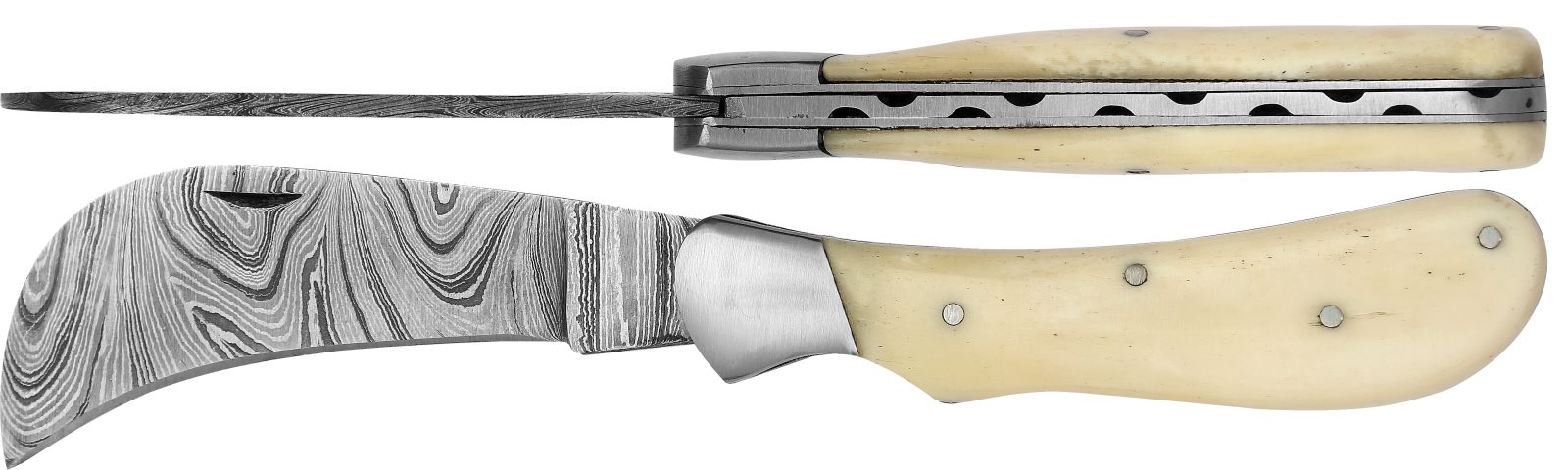
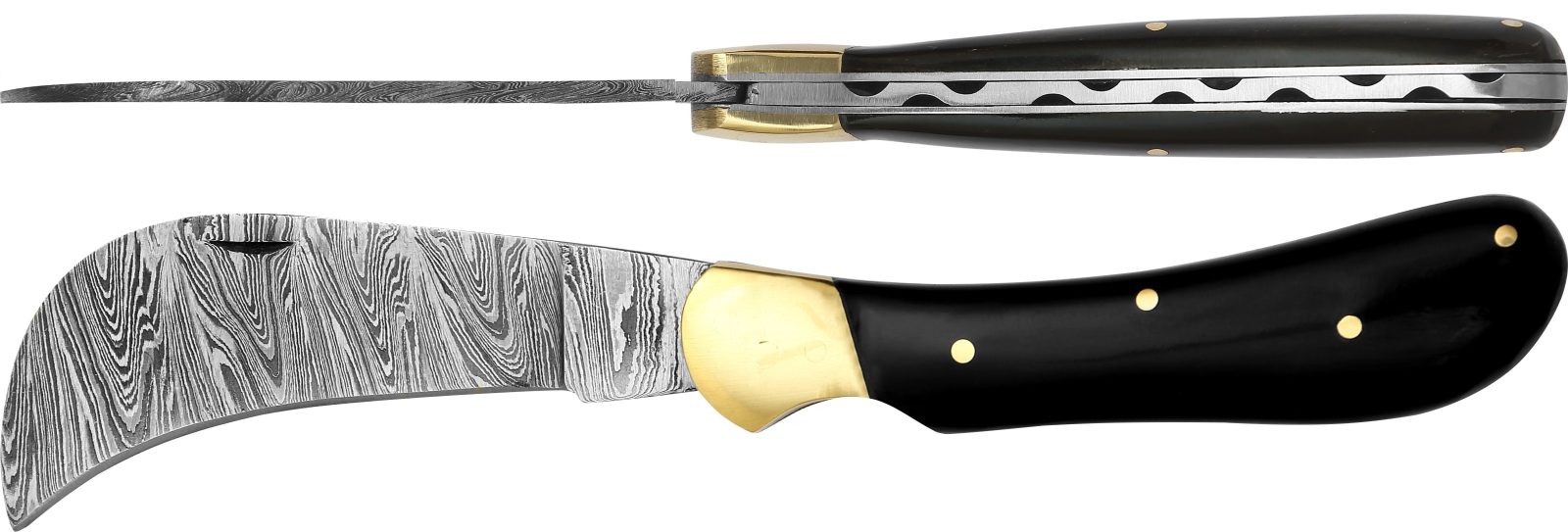
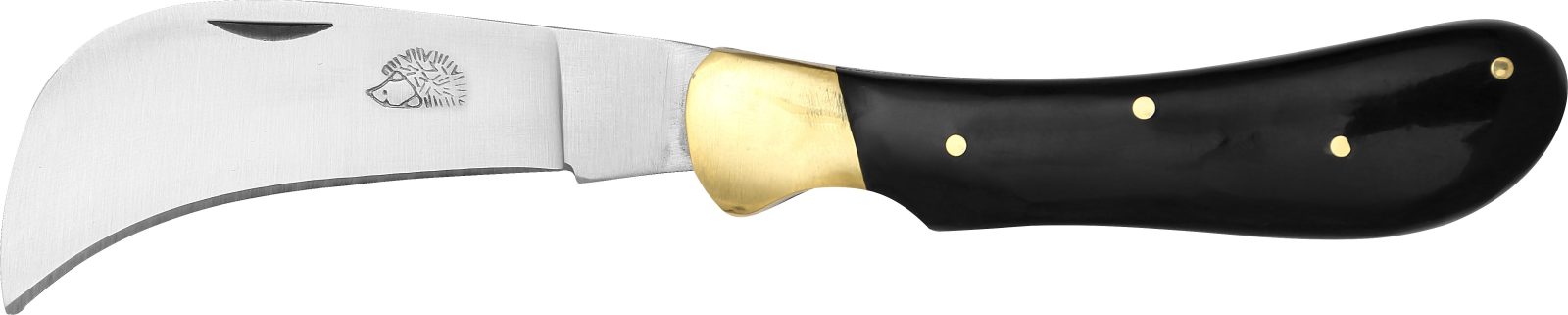
Black Horn Handle Pruning Knife with Curved Grip – 8 cm Blade, 10 cm Handle, Brass Bolster

This pruning knife has a hawksbill blade and glossy black horn handle, brass bolster, 10 cm, made in Pakistan.

$5.85
Unit price. Rates are degressive by quantity, size and material.
Wholesale $4.10
Ask about this item on WhatsApp
  • Factory direct Sialkot, since 1982
  • Worldwide shipping
  • Private label on request
  • Wholesale pricing by quantity

About this knife

This serpette pruning knife pairs an 8 cm curved hawksbill blade with a 10 cm glossy black horn handle and a polished brass bolster. Manufactured in Pakistan, its dark, polished finish suits retailers wanting a classic full-size pruning knife. A wholesale item for retailers targeting vineyard and orchard customers.

Specifications

Weight
0.098 kg
Blade size (cm)
8
Handle size (cm)
10
Blade
Stainless steel
Handle
Horn black
Bolster
Brass
Knife Notes

Know-how from our Sialkot workshop

Questions & answers

Curved grip, origin and price explained

Does Pakistan make good knives?

Yes, and some of its best work is in traditional patterns like this one. Sialkot's cutlers have built folding knives for export markets for generations, and pruners with horn and bone handles are a staple of that trade. Quality still varies by maker, so look for a stainless blade, a brass bolster fitted without gaps and horn polished evenly. A blade that opens to a firm stop and closes centred is the clearest sign.

What is the stainless Pakistan knife price for this horn pruner?

The unit price is listed at the top of the page; visitors in Pakistan see it in rupees and can order through WhatsApp. Larger orders bring the cost per knife down. If you run a shop, a vineyard or a cooperative, send us the quantity by WhatsApp or email and we will reply with wholesale pricing.

What is the curved grip for?

The end of the 10 cm horn handle sweeps downward and settles against the base of your palm. During the pulling cut that pruning relies on, that curve keeps your hand from creeping towards the blade, so you can cut firmly with a relaxed grip.
How to use

Clearing suckers and water shoots from a fruit tree

Suckers from the rootstock and vertical water shoots on the branches take energy away from fruiting wood. While they are green and thin, a hooked blade knife removes them more cleanly than secateurs.

  1. Work in summer, when the shoots are still soft; woody ones are a job for loppers or a saw.
  2. Trace each sucker down to its base, clearing soil if needed, so you cut where it starts.
  3. Hook the 8 cm blade around the shoot, flush with the trunk or root, and pull through in one firm stroke.
  4. Keep your free hand above the cut, never below the line of the blade.
  5. Wipe the blade before moving to the next tree, and fold it back into the horn handle whenever you walk.
The story

Two thousand years of the vine-dresser's knife

The hooked pruning knife is one of the oldest specialised tools in farming. Roman writers on agriculture describe a vine-dresser's knife with a curved blade, and Columella, in the first century AD, named its parts one by one, from the hooked beak to a small hatchet-like blade on its back. Curved knives of this family have been used in vineyards and orchards across Europe and the Mediterranean ever since.

The folding version came later, when cutlers learned to make a pocket tool that could travel safely to the field. This horn-handled pruner follows that lineage: a curved 8 cm blade, a brass bolster, and a handle shaped to sit in the palm. As a knife made in Pakistan, it carries an ancient design through Sialkot's modern workshops.

Pro tip

Strop after every session, sharpen once a season

A pulling cut is only effortless while the edge is keen. Keep a scrap of leather or an old belt in the shed and give the curve ten light strokes on each side at the end of the day, spine leading and edge trailing. Stropping realigns the edge before it dulls, so a Pakistan steel knife like this needs a stone only once or twice a season.