Pruning Knives Ref. 3819

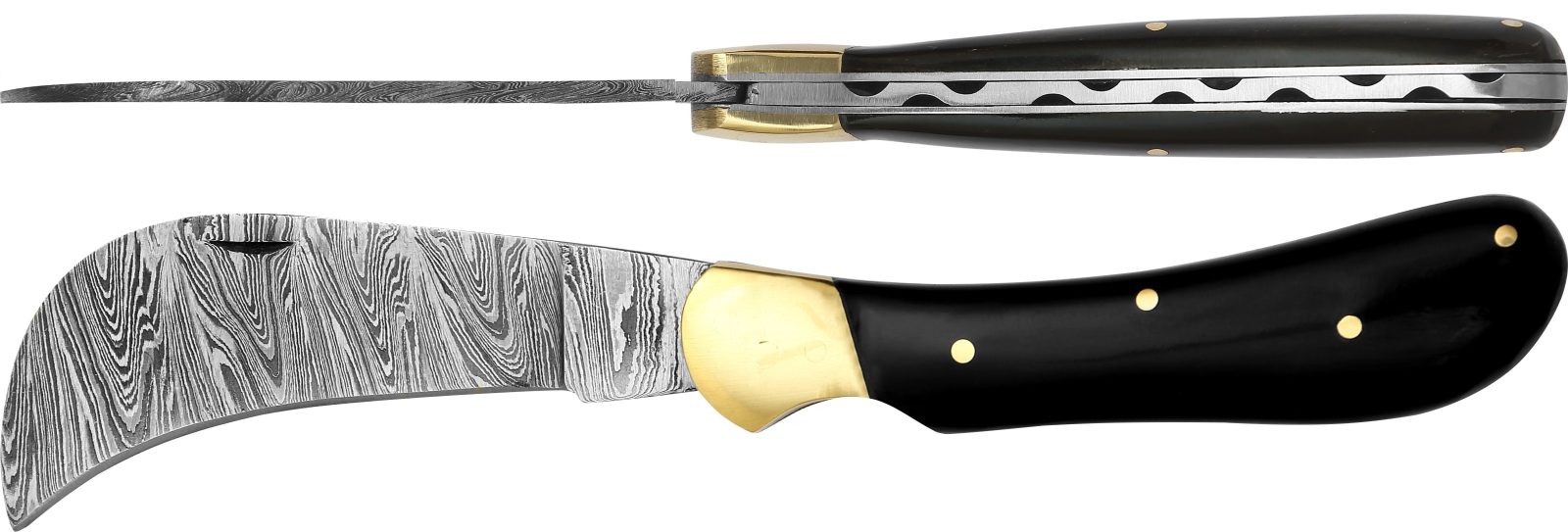
Damascus Blade Pruning Knife with Black Horn Handle – 10 cm Handle, Brass Bolster

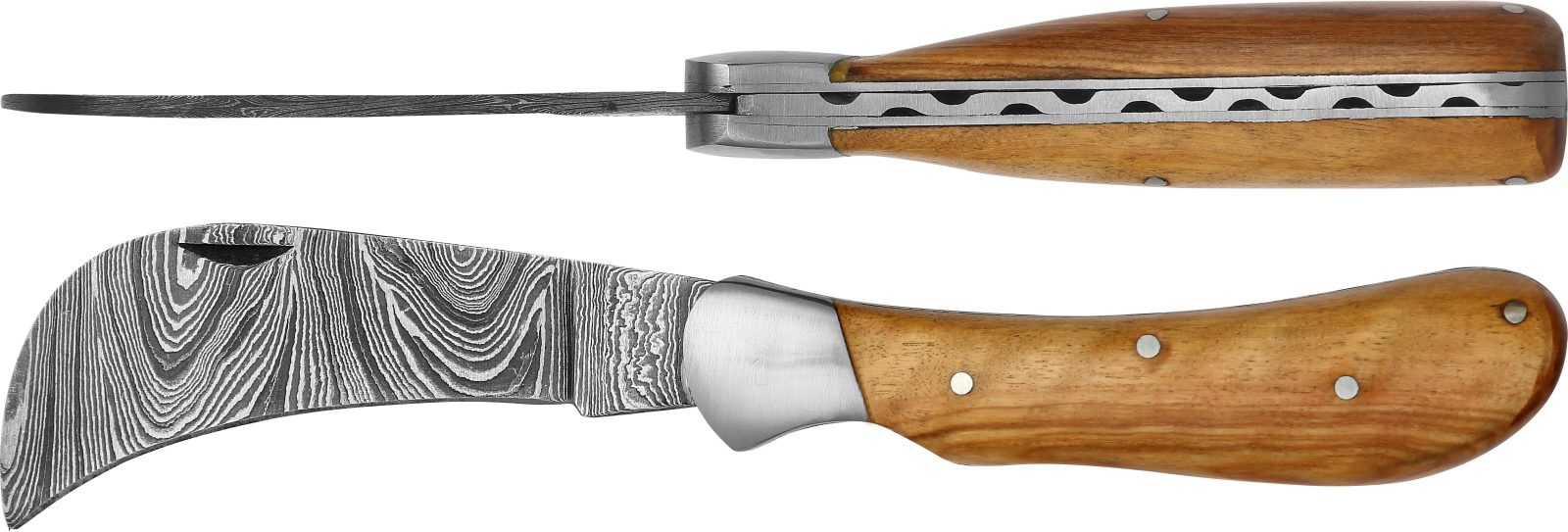
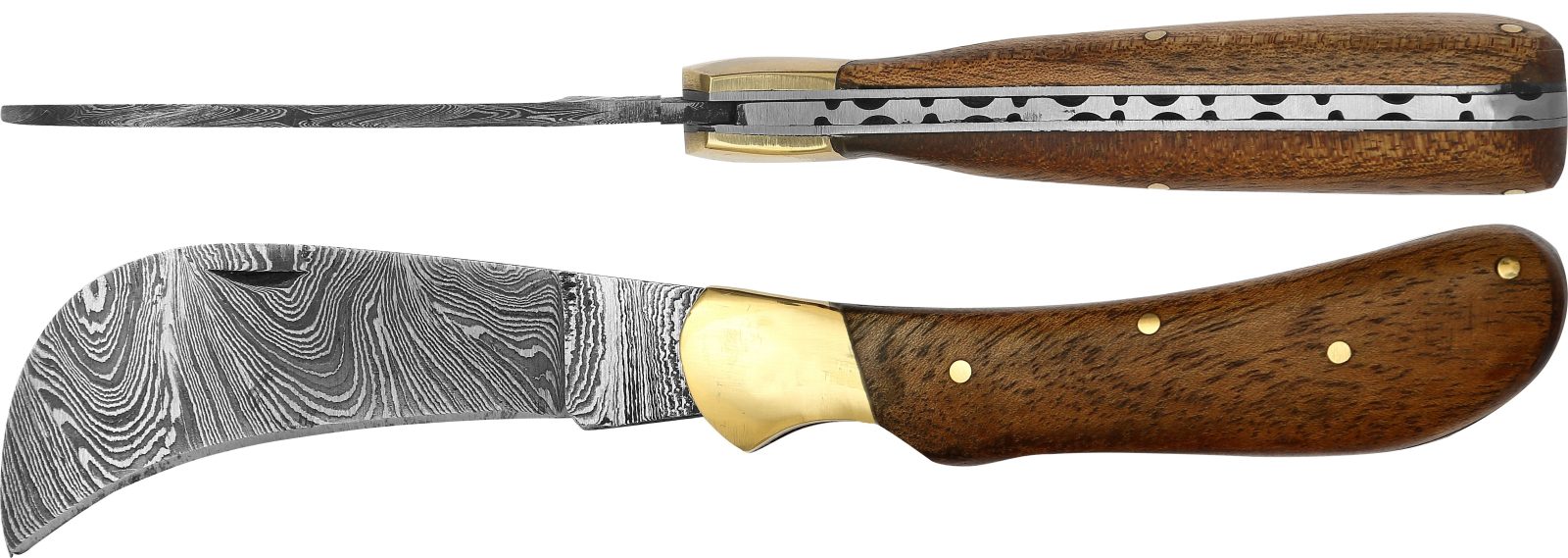
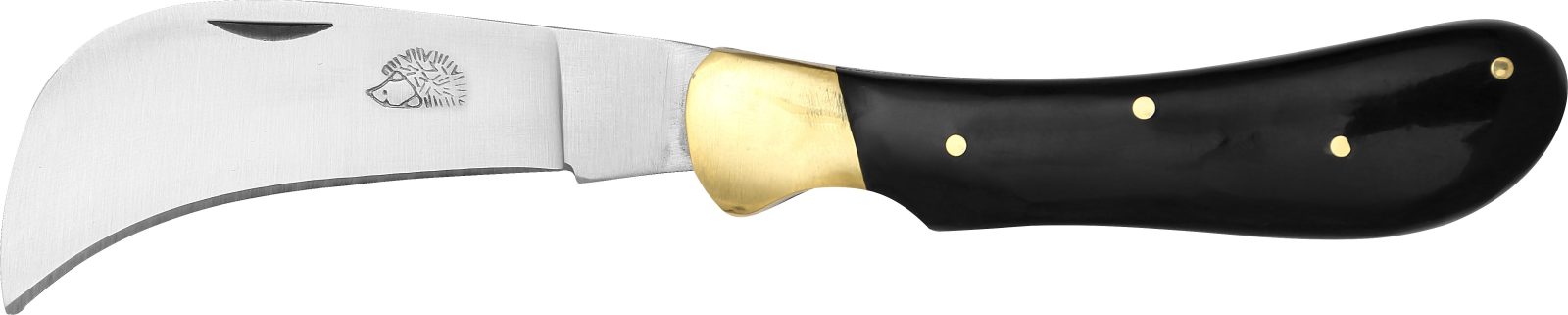
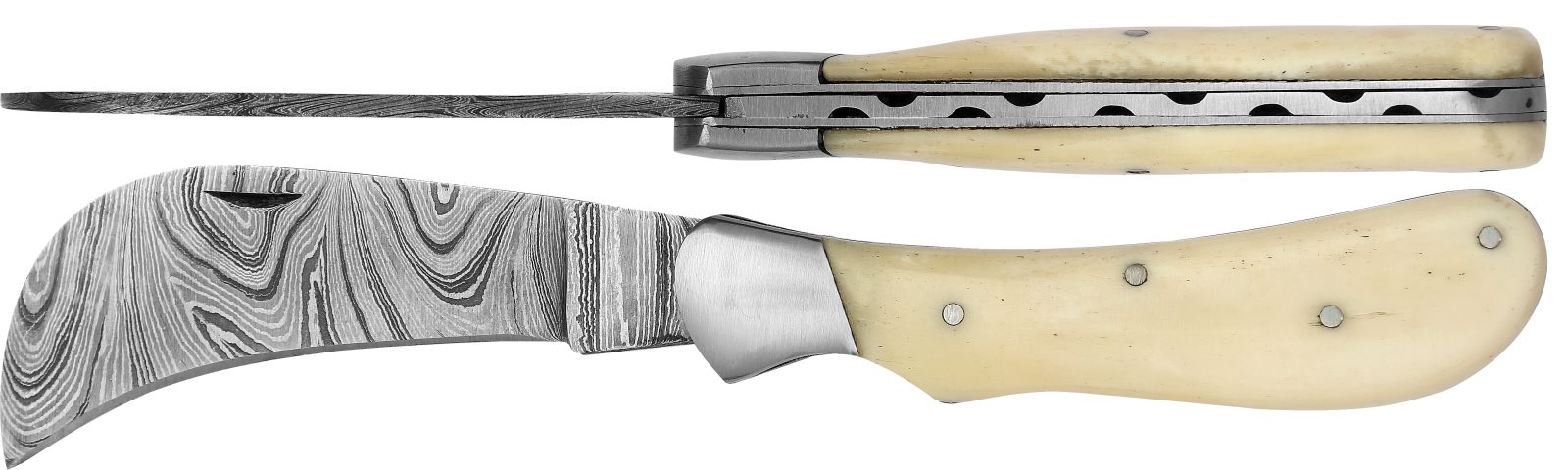
This Damascus pruning knife has a hawksbill blade and black horn handle, brass bolster, made in Pakistan.

$13.50
Unit price. Rates are degressive by quantity, size and material.
Wholesale $9.45
Ask about this item on WhatsApp
  • Factory direct Sialkot, since 1982
  • Worldwide shipping
  • Private label on request
  • Wholesale pricing by quantity

About this knife

This serpette pruning knife features an 8 cm hand-forged Damascus steel hawksbill blade and a 10 cm black horn handle with a polished brass bolster. Manufactured in Pakistan, it rounds out the premium Damascus pruning knife range in a dark, classic material. A wholesale item for retailers targeting collectors and premium gardening customers.

Specifications

Weight
0.098 kg
Blade size (cm)
8
Handle size (cm)
10
Blade
Damascus steel
Handle
Horn black
Bolster
Brass
Knife Notes

Know-how from our Sialkot workshop

Sharpening

Quick field touch-ups for a Damascus hawksbill

Damascus edges respond well to little and often. Rather than one long sharpening session each season, keep the curve keen with short touch-ups.

  1. Carry a small ceramic rod or a fine diamond card; at the end of a pruning session, give the 8 cm curve five light strokes per side at about 20 degrees.
  2. Keep the rod on the bevel only, so the etched faces of the blade stay unmarked.
  3. Once or twice a year, do a full sharpening on a medium then a fine stone to reset the edge.
  4. Finish every session by wiping off sap, drying and oiling, which matters more on Pakistani Damascus knives than on stainless ones.
Questions & answers

Collector questions about the horn Damascus pruner

Are Damascus knives from Pakistan any good?

The good ones hold their own. Damascus production is one of Sialkot's specialities, and buyers can judge a piece quickly: a pattern that is consistent and well contrasted, a cleanly ground curve, and a handle fitted flush. Here the black horn and brass bolster should meet without gaps, and the blade should open to a firm stop. As with any Damascus, some care keeps it looking its best.

What is the Damascus knife price in Pakistan for the horn version?

The single-unit price appears at the top of the page, in Pakistani rupees for visitors in Pakistan, with WhatsApp ordering available. Collectors' shops and gift retailers buying in quantity are offered a lower rate per piece, so let us know the number you need by WhatsApp or email.

Would it suit a collector as a gift?

Very well. A hooked pruning blade in Damascus is an uncommon combination, so it adds variety to a collection of folders. The black horn and brass bolster give it a classic, formal look, and every blade's pattern is unique, so no two collectors own quite the same piece.

Did you know?

Acid is what makes the pattern visible

Fresh from the grinder and polished, a Damascus blade looks almost plain. The pattern appears only when it is dipped in a mild acid such as ferric chloride: the different steels in the layers react at different rates, some darkening while others stay bright. That is why the contrast on this Pakistan folding knife is a surface effect, even though the layers run right through the steel, and why a light re-etch can renew it after years of use.

Quality check

Check it before a collector does

Damascus pruners usually end up with buyers who know what to look for, so inspect them first:

  • Even contrast across both faces of the 8 cm blade, without hazy or over-etched areas.
  • Black horn with a uniform gloss and no hairline cracks, especially near the pins.
  • A brass bolster polished cleanly and seated flush against the horn.
  • Smooth opening to a firm stop, and a centred blade when folded.
  • No rust freckles, which can appear if a blade has been handled and stored without oil.

Experienced wholesale knife suppliers check a sample from every carton this way; it takes minutes and saves returns.