Pruning Knives Ref. 3810

Reddish Wood Handle Pruning Knife – 10 cm Handle, Brass Bolster

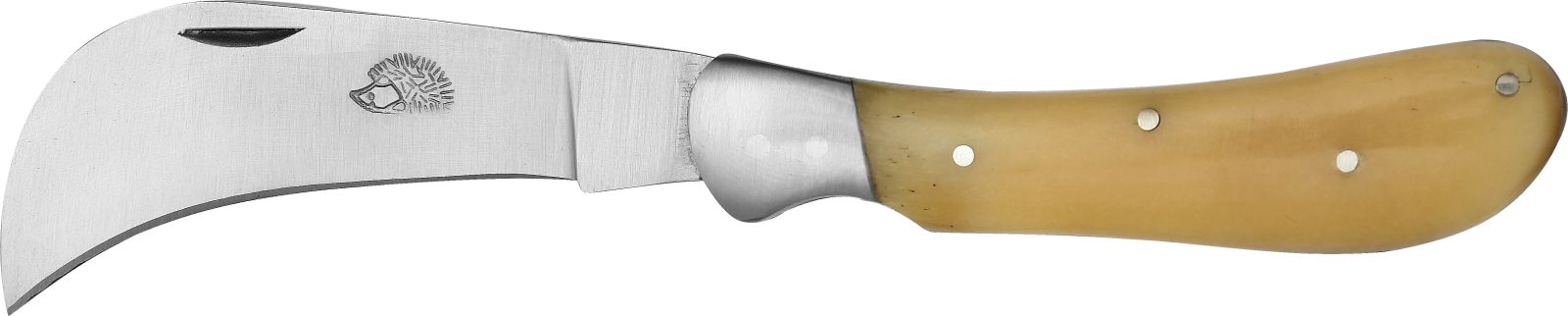
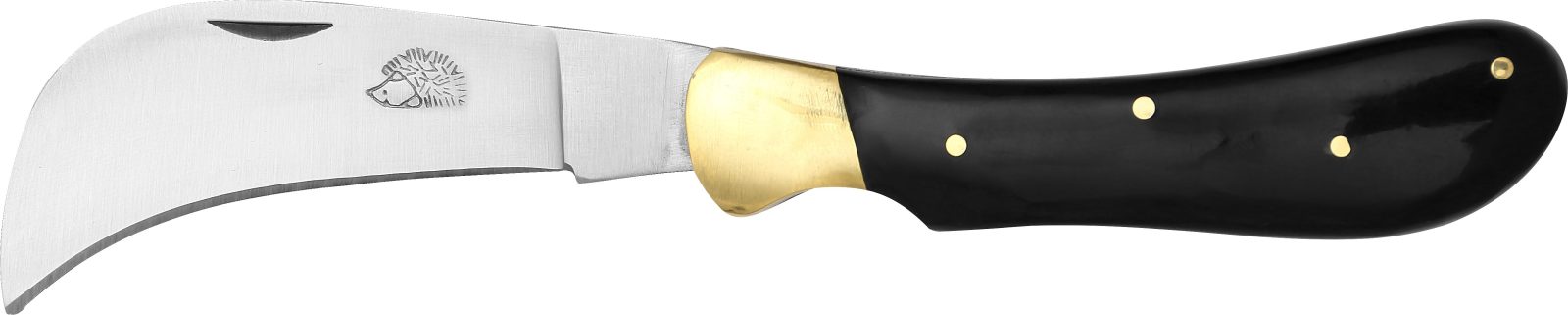
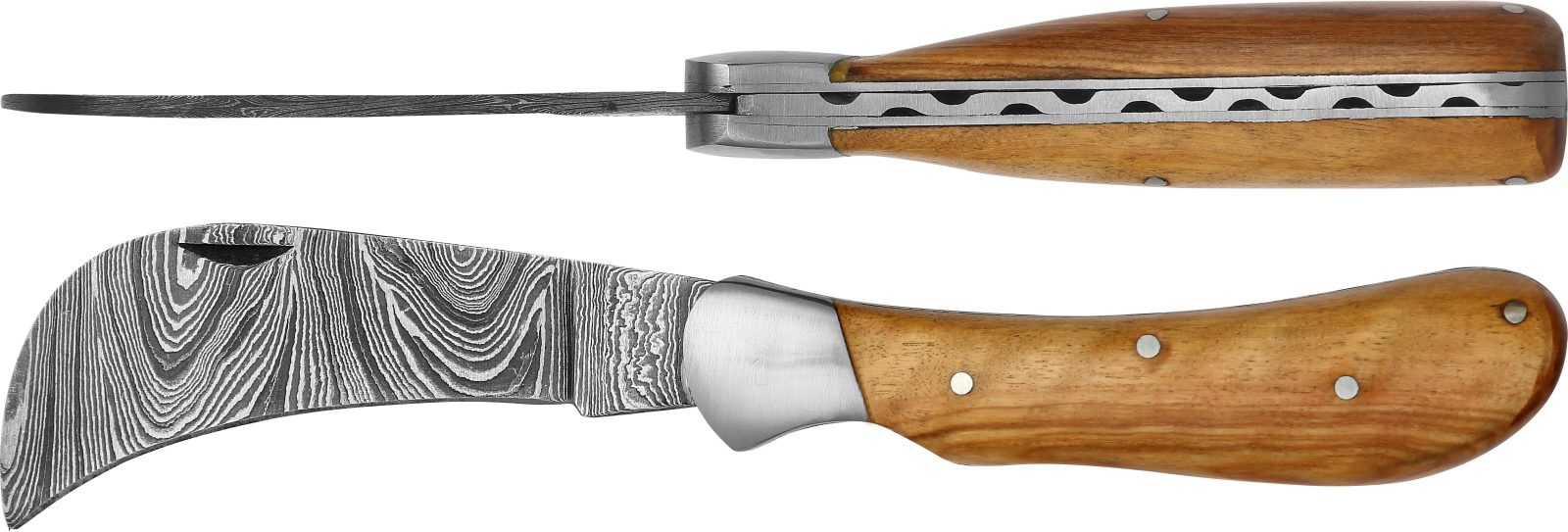
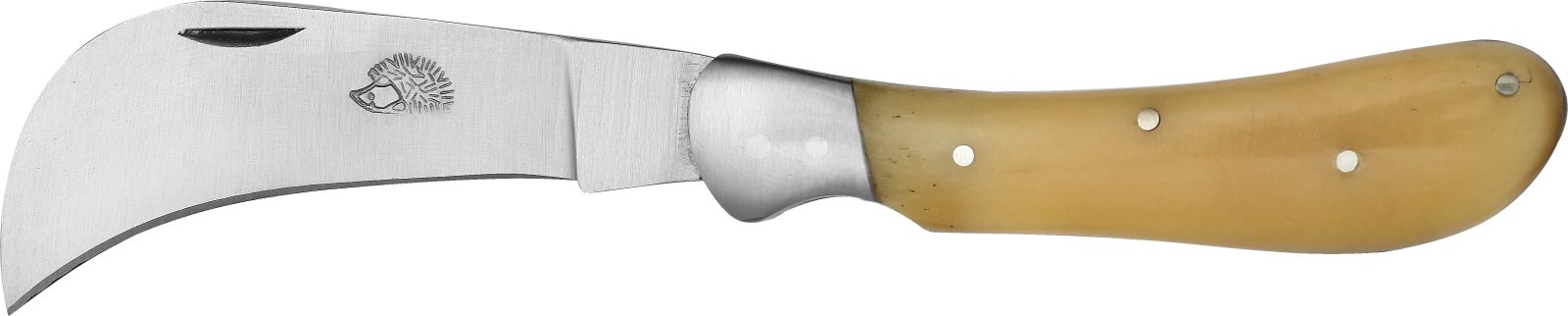
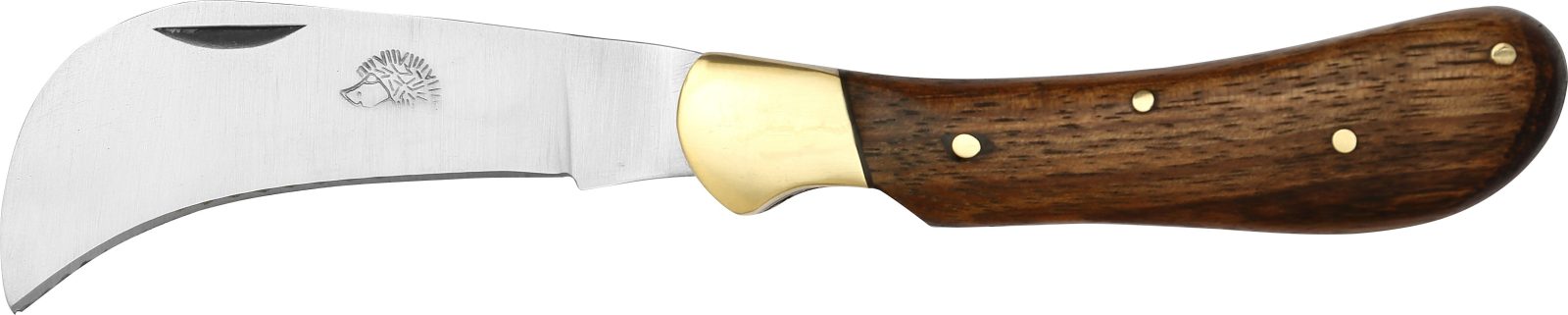
This pruning knife has a hawksbill blade and reddish acacia wood handle, brass bolster, 10 cm, made in Pakistan.

$4.50
Unit price. Rates are degressive by quantity, size and material.
Wholesale $3.15
Ask about this item on WhatsApp
  • Factory direct Sialkot, since 1982
  • Worldwide shipping
  • Private label on request
  • Wholesale pricing by quantity

About this knife

This serpette pruning knife pairs an 8 cm curved hawksbill blade with a 10 cm reddish-toned acacia wood handle and a polished brass bolster, sized larger than the compact 8 cm range. Manufactured in Pakistan, its deep reddish grain gives it a rich, classic look. A wholesale item for retailers wanting a full-size wood-handle pruning knife.

Specifications

Weight
0.094 kg
Blade size (cm)
8
Handle size (cm)
10
Blade
Stainless steel
Handle
Acacia wood
Bolster
Brass
Knife Notes

Know-how from our Sialkot workshop

Sharpening

Rolling an 8 cm curve across a whetstone

A full-size serpette knife has a longer, gentler curve than the compact models, so it can be sharpened on the corner of an ordinary bench stone if you roll the blade as you go.

  1. Wet a combination whetstone: around 400 grit to reset a worn edge, 1000 for regular upkeep.
  2. Hold the blade at about 20 to 25 degrees with the edge meeting the long corner of the stone, so only that corner touches the curve.
  3. Sweep from the brass bolster to the point while lifting the handle slightly, so every part of the curve meets the stone in turn.
  4. Match the strokes on the other side, feel for an even burr along the full 8 cm, then remove it with a few light alternating strokes.

Questions & answers

Answers for growers comparing sizes

How good is the quality of a Pakistan knife like this one?

Start with the parts that take the strain. The 8 cm blade is stainless steel, which tolerates sap, dew and rain far better than plain carbon steel; the brass bolster reinforces the point where blade meets handle; and acacia is a dense hardwood that holds its shape. Sialkot has produced pruning knives for many years, and a well-made one should feel solid as it opens and show no gaps at the joints.

What is the stainless Pakistan knife price for this model?

The price for one knife is displayed at the top of this page, in Pakistani rupees for local visitors, who can also order through WhatsApp. Vineyards, orchards and resellers buying larger quantities pay less per knife. Email or message us with your quantity and we will send a wholesale rate.

How does it compare with the compact acacia version?

The compact model is shorter in both blade and handle, ideal for roses and pots. This one, at 10 cm closed, fills the hand and reaches round thicker vine shoots and orchard growth. For regular pruning sessions, most growers prefer the larger size.

Quality check

Inspecting a full-size pruner before the season

Pruning knives are bought in late winter and used hard straight away, so faults should be caught on arrival, not in the vineyard. Check a sample from each carton:

  • The blade opens to a firm stop and holds there without play in any direction.
  • When folded, the hooked point rests inside the handle without touching the wood.
  • The brass bolster meets the acacia cleanly, with no step you can feel with a fingernail.
  • The reddish grain is free of cracks or open knots; tone varies naturally from piece to piece.
  • The bevel is even along the curve, with no flat spot near the heel.

These five points separate a durable Pakistan knife with a wood handle from a disappointing one.

Made in Sialkot

From blank to finished pruner in Sialkot's workshops

A folding pruner is a small assembly of parts: the hooked blade, the liners and pins of the frame, the bolster and the wooden scales. In Sialkot, where many small workshops specialise in cutlery, these stages are often divided between skilled hands: grinders shape and edge the blades, others fit and pin the frames, and finishers sand and polish.

On this model the acacia scales are shaped to a 10 cm handle and finished to bring out their reddish grain, while the brass bolster is polished to a soft shine. That division of labour is one reason Pakistani knives reach importers in such variety, from plain working pruners to decorated collector pieces.