Pruning Knives Ref. 3814

Dual-Blade Pruning Knife with Teak Wood Handle – 9.6 cm Handle, Inox Bolster

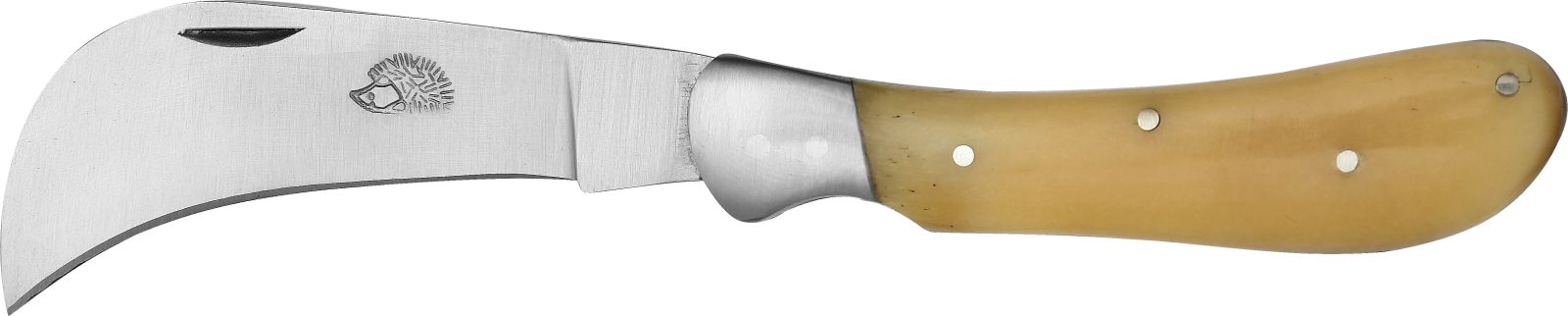
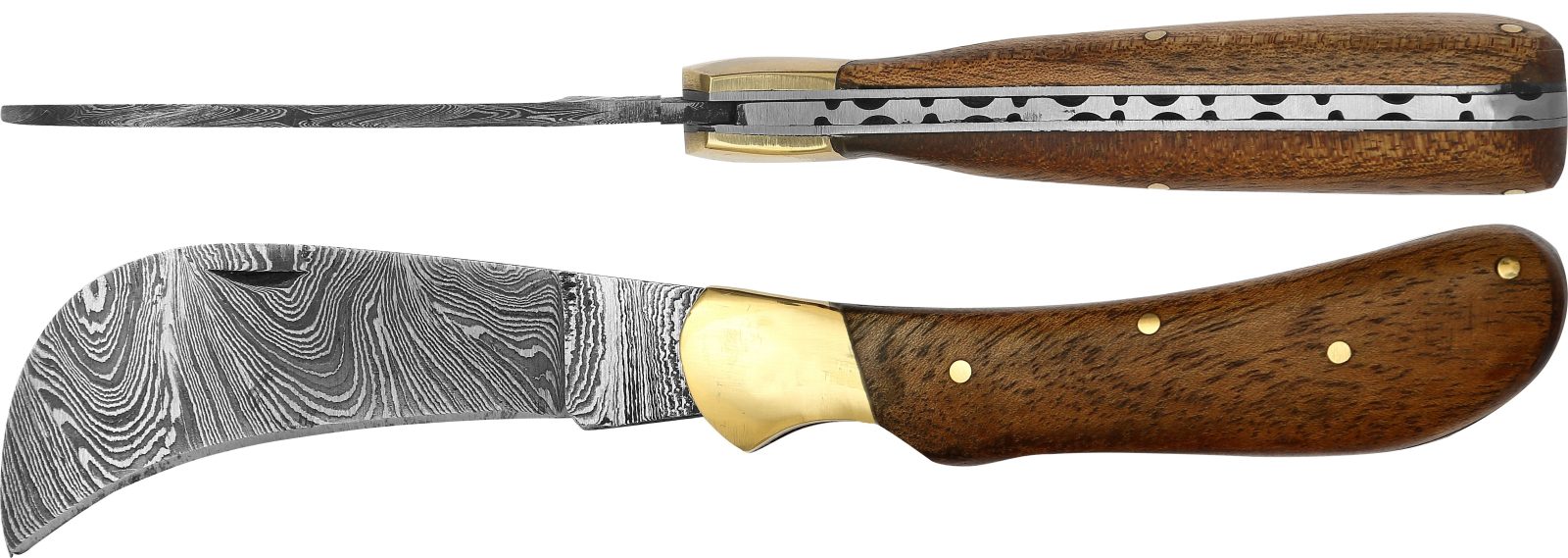
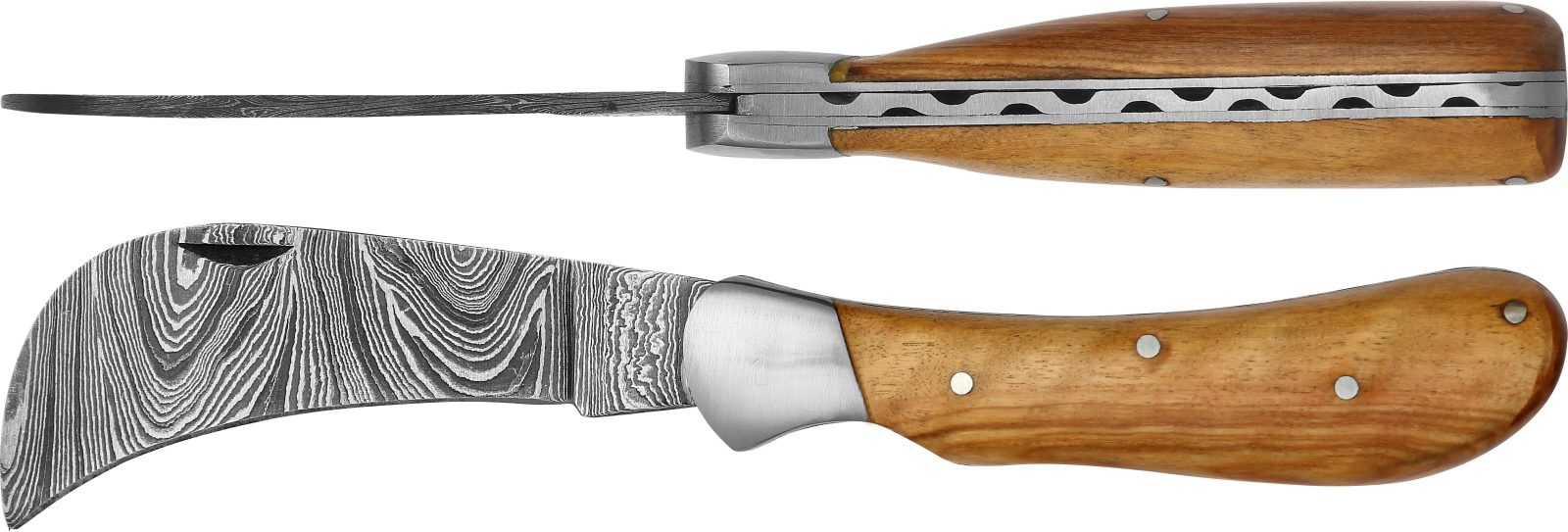
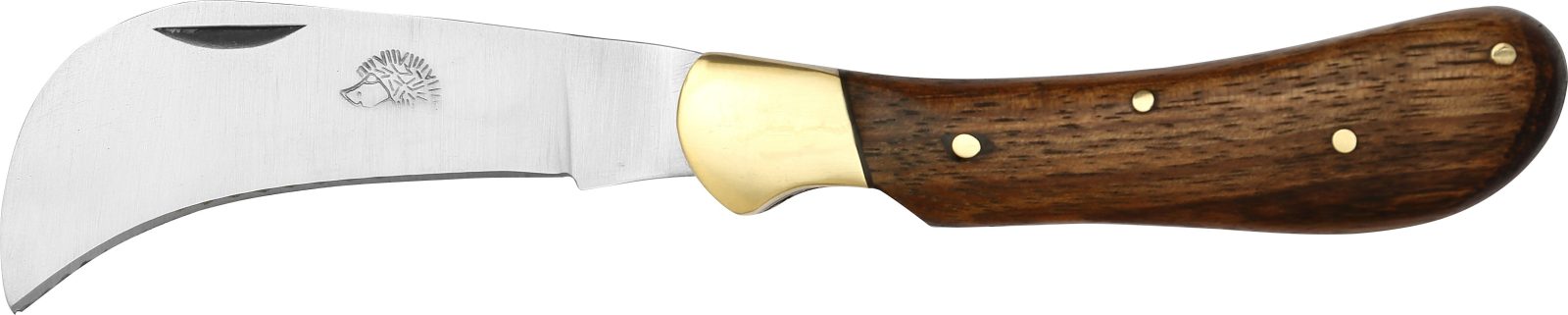
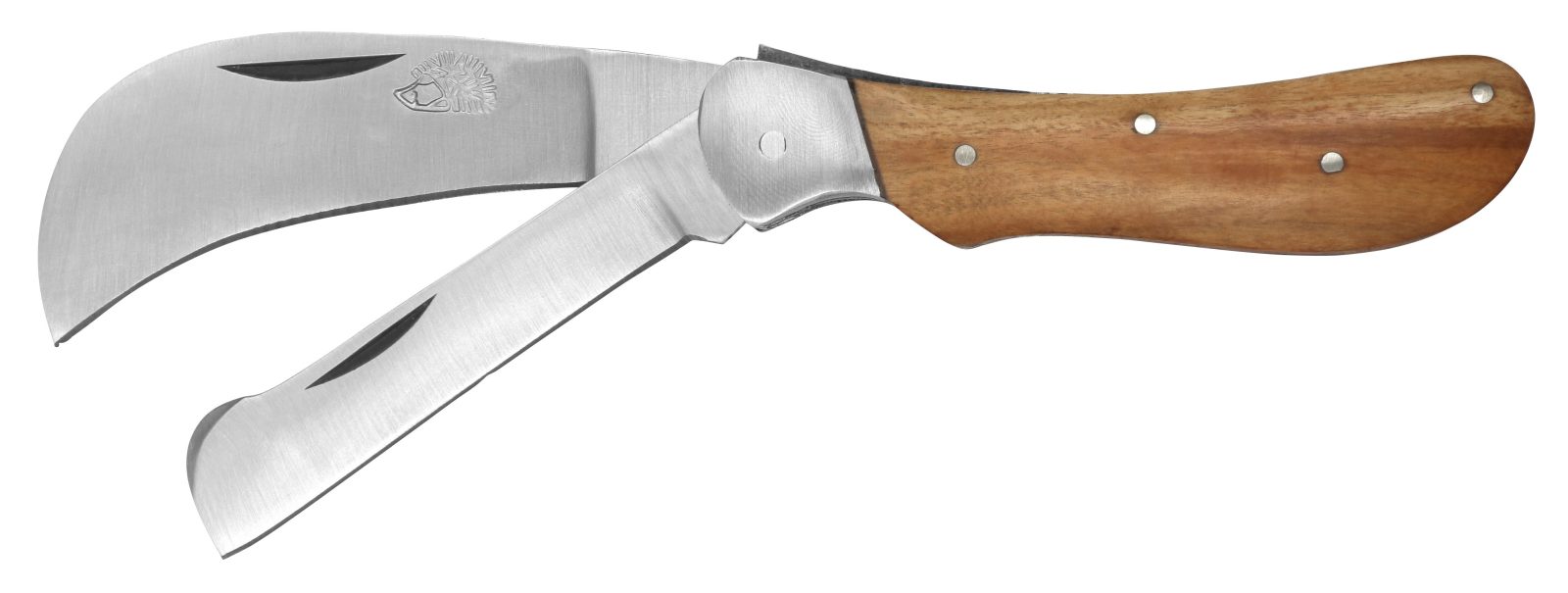
This dual-blade pruning knife has two hawksbill-style blades and a teak wood handle, inox bolster, made in Pakistan.

$4.20
Unit price. Rates are degressive by quantity, size and material.
Wholesale $2.94
Ask about this item on WhatsApp
  • Factory direct Sialkot, since 1982
  • Worldwide shipping
  • Private label on request
  • Wholesale pricing by quantity

About this knife

This serpette pruning knife pairs an 8.4 cm curved hawksbill blade with a second, smaller hawksbill-style blade, both folding into a 9.6 cm teak wood handle with a polished inox bolster. Manufactured in Pakistan, the two blade sizes suit different cutting jobs during vine pruning and grafting. A wholesale item for retailers wanting a versatile two-blade pruning knife.

Specifications

Weight
0.105 kg
Blade size (cm)
8.4
Handle size (cm)
9.6
Blade
Stainless steel
Handle
Teak wood
Bolster
Inox
Knife Notes

Know-how from our Sialkot workshop

Sharpening

Matching each blade's edge to its job

This knife carries an 8.4 cm hawksbill for pruning and a smaller hooked blade for finer work, so sharpen them for their tasks rather than identically.

  1. Work the main serpette knife blade on a medium stone or ceramic rod at about 20 to 25 degrees, following the curve from heel to point; a slightly sturdier edge stands up to knots and woody shoots.
  2. Give the smaller blade a finer finish: after the medium grit, move to a fine stone, around 3000 or higher, so it slices green bark cleanly.
  3. Remove the burr on both blades with a few light alternating strokes.
  4. Open and close each blade a few times, wipe away metal dust, and add a drop of oil at the pivot.
Questions & answers

Questions about a two-blade pruner

How good is the quality of a Pakistan knife like this one?

A two-blade folder is a good test of workmanship, because two blades share one handle and both must open, sit and close cleanly. Check that each blade opens independently to a firm stop, that neither rubs the other when folded, and that the inox bolster is flush with the teak. The blades are stainless steel, and teak's natural oils help it shrug off wet days. Pass those checks and you have a knife made to last.

What is the folding knife price in Pakistan for this two-blade model?

For shoppers in Pakistan the price per knife is shown in PKR at the top of this page, with ordering available over WhatsApp. It is a unit price: nurseries, vineyards and resellers ordering several receive a degressive wholesale rate. Contact us by WhatsApp or email with your quantity.

What is the second blade for?

The smaller hooked blade handles the fine work of pruning and grafting: trimming a graft, cleaning up a ragged cut, or working in tight spaces where the 8.4 cm main blade is too large. Reserving it for those jobs also keeps its edge keen.

Best uses

One handle, two blades, a whole pruning day

With a 9.6 cm teak handle and two folding blades, this Pakistan stainless knife lets a grower switch tools without reaching for a second one. The main blade takes the heavier cuts, the small one the delicate ones.

  • Spur pruning on vines
  • Trimming grafts and rootstock
  • Tidying ragged branch cuts
  • Taking hardwood cuttings
  • Cutting tying twine and raffia
  • Nursery and propagation benches
Display & retail

Show both blades open on the counter

A two-blade pruner looks like any other folder when closed, so the display has to do the explaining. Stand one sample on a small easel with both blades half-open, the 8.4 cm hawksbill in front and the smaller blade behind, and add a card: 'One for pruning, one for grafting'.

  • Place it next to grafting tape, budding ties and rootstock catalogues, where propagators browse.
  • Shelve it alongside the single-blade teak pruners, so the second blade reads as a clear bonus.
  • In late winter, group it with secateurs and pruning saws for the start of the season.

Customers asking where the stock comes from can be told plainly: these are Pakistan-made knives from Sialkot, a centre of the cutlery trade.