Pruning Knives Ref. 3818

Damascus Blade Pruning Knife with White Bone Handle – 10 cm Handle, Inox Bolster

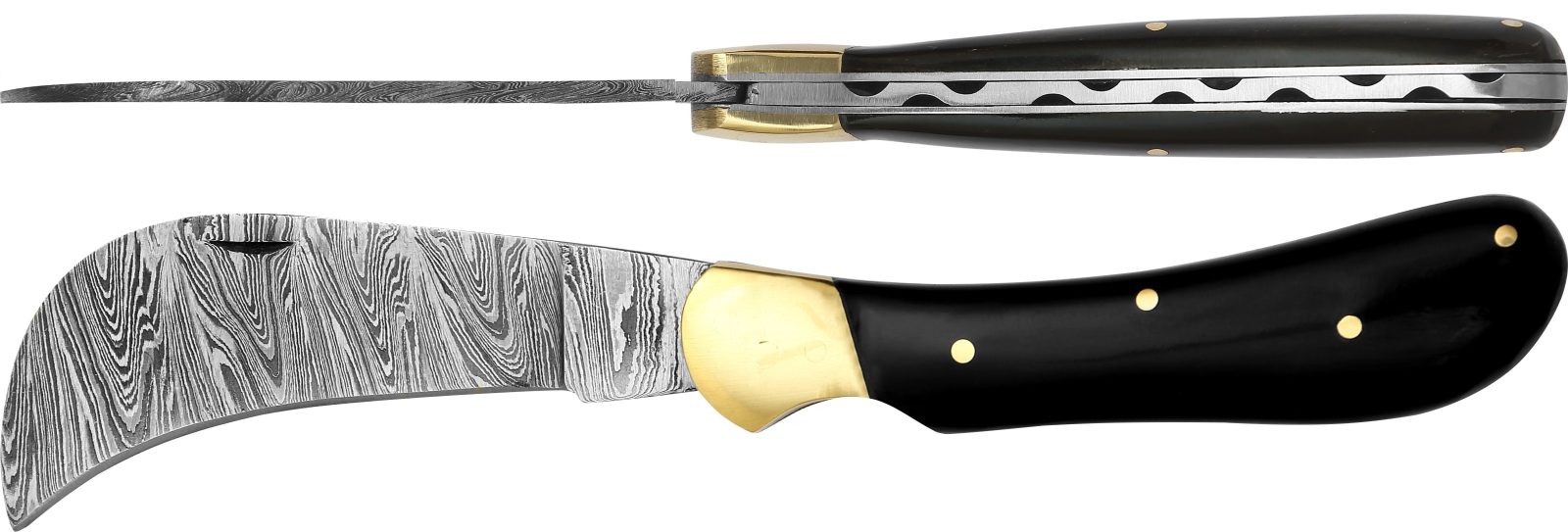
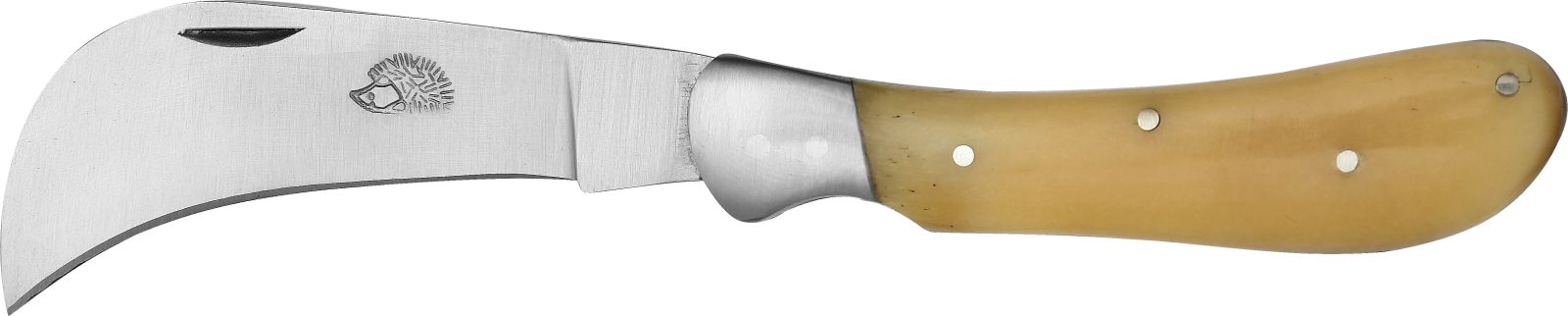
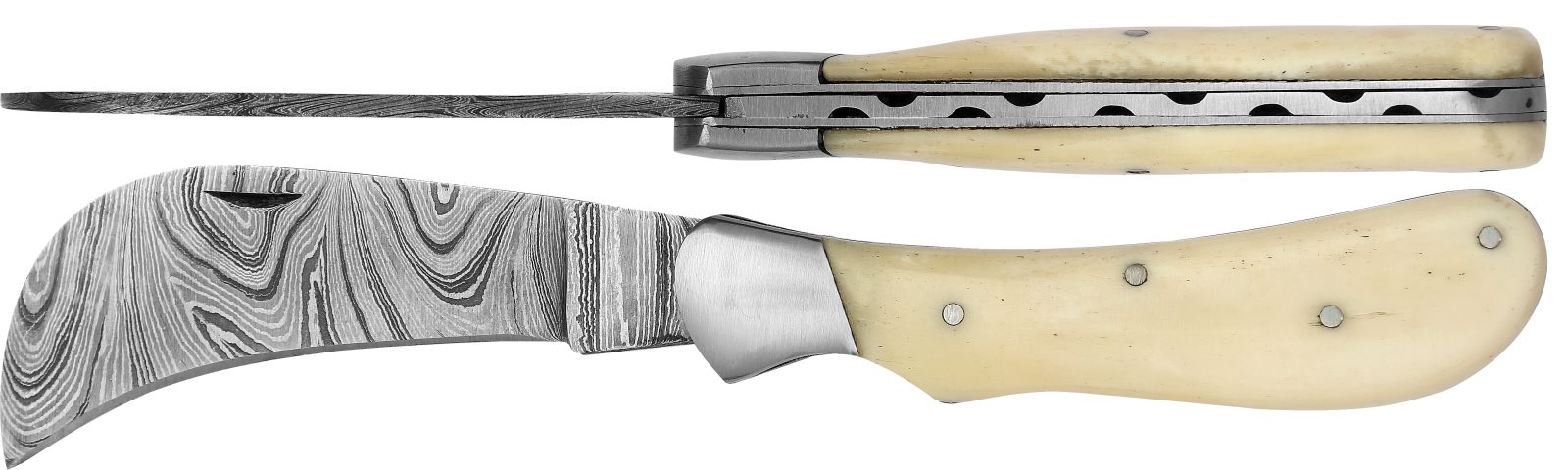
This Damascus pruning knife has a hawksbill blade and white bone handle, inox bolster, made in Pakistan.

$13.50
Unit price. Rates are degressive by quantity, size and material.
Wholesale $9.45
Ask about this item on WhatsApp
  • Factory direct Sialkot, since 1982
  • Worldwide shipping
  • Private label on request
  • Wholesale pricing by quantity

About this knife

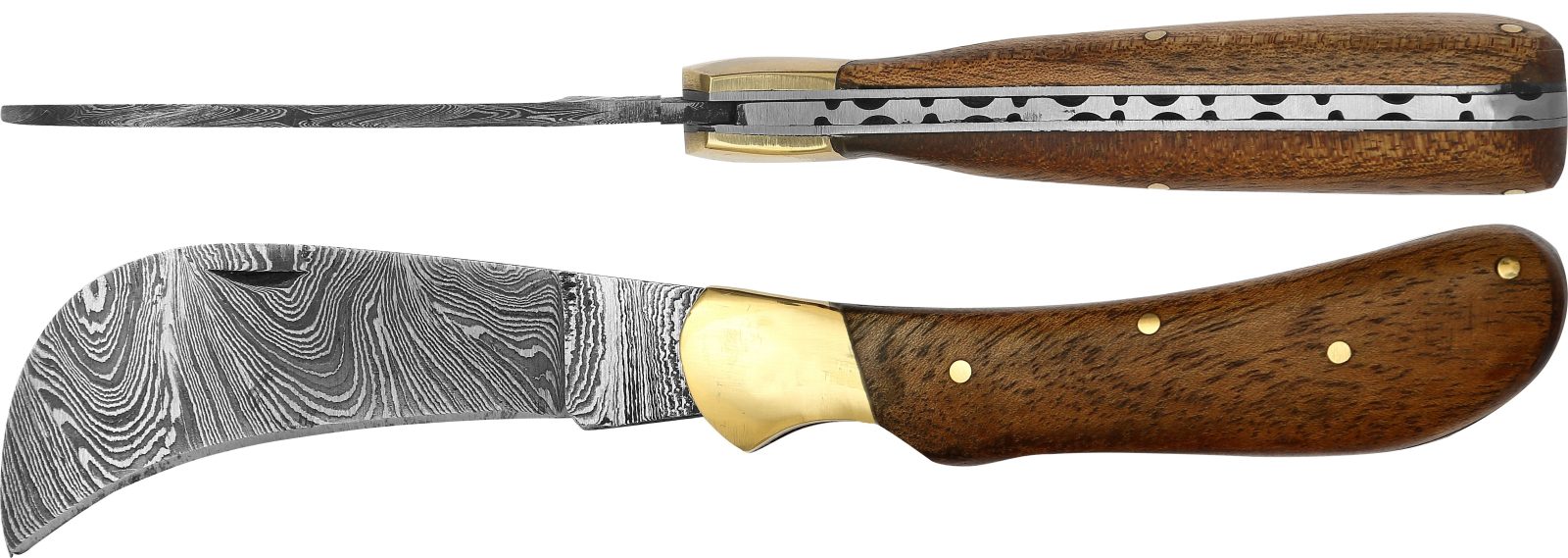
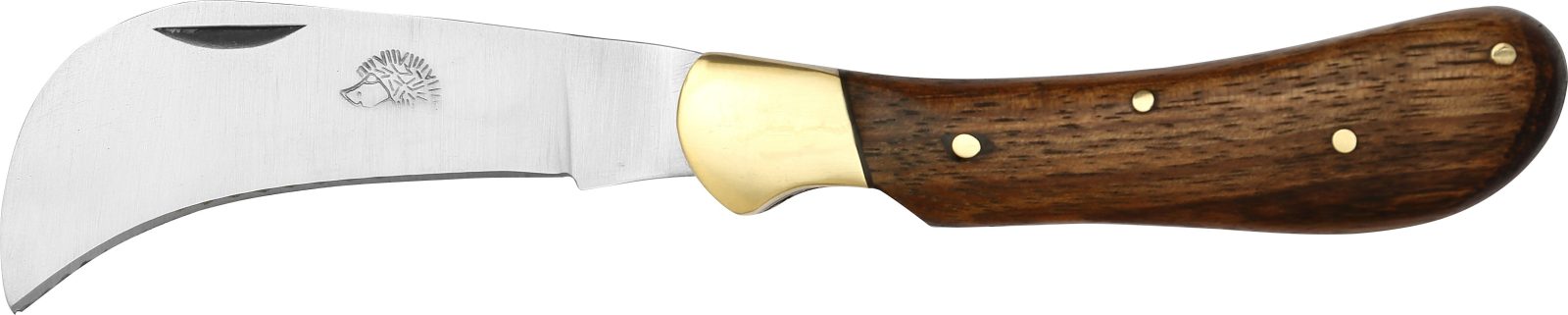
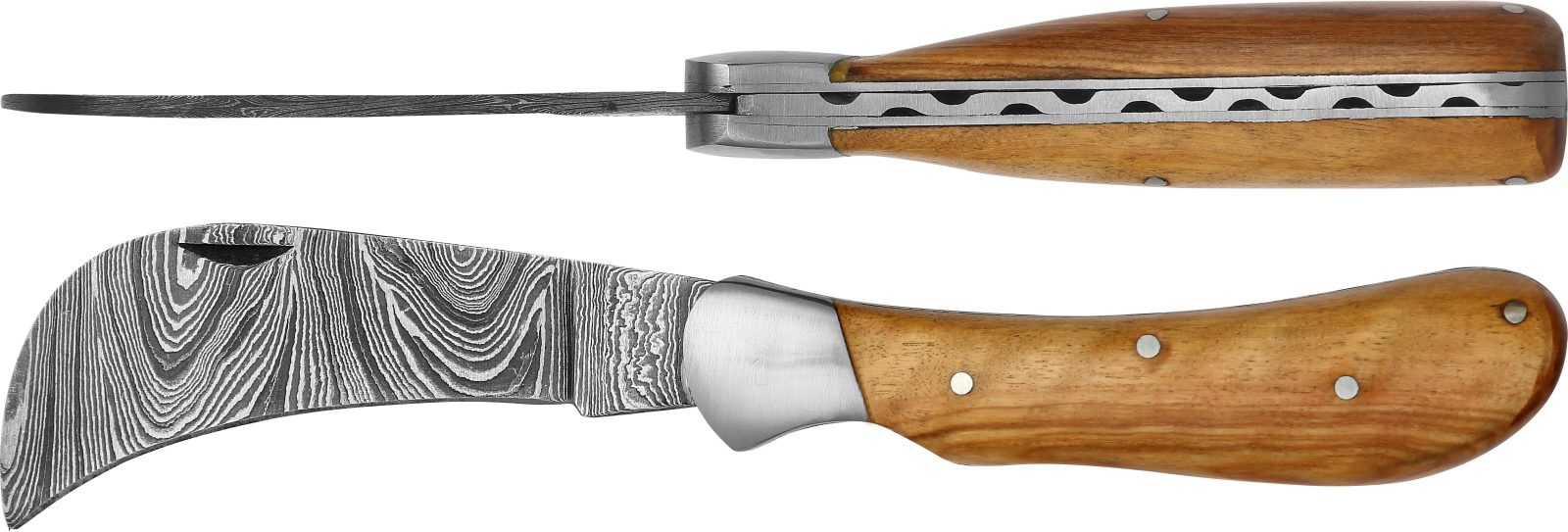
This serpette pruning knife pairs an 8 cm hand-forged Damascus steel hawksbill blade with a 10 cm white bone handle and a polished inox bolster. Manufactured in Pakistan, its light bone tone contrasts with the wood-handle Damascus versions in the range. A wholesale item for retailers wanting a bone-handle premium pruning knife.

Specifications

Weight
0.102 kg
Blade size (cm)
8
Handle size (cm)
10
Blade
Damascus steel
Handle
Bone
Bolster
Inox
Knife Notes

Know-how from our Sialkot workshop

Care & maintenance

Caring for Damascus and bone together

This pruner combines two materials that both appreciate attention: a patterned steel blade and a natural bone handle. Like most Pakistan Damascus knives, it rewards a short routine.

  • After use, wash sap and soil off the blade with warm water, dry it at once and wipe on a thin film of mineral or camellia oil.
  • Never leave it wet or fold it damp; moisture trapped in the handle can spot the blade.
  • Keep the bone away from soaking and high heat, and refresh it with a little beeswax or mineral oil if it looks dry.
  • The inox bolster just needs a wipe.
  • For storage, choose a dry drawer or a leather pouch, not a sealed plastic bag that traps humidity.
Questions & answers

Pale bone, patterned steel: your questions

Are Damascus knives from Pakistan any good?

Well-made ones are both handsome and practical. Sialkot is a major centre of Damascus production, and the best pieces show a crisp, even pattern, a properly ground edge and fittings without gaps. On this model, also look at where the white bone meets the inox bolster: it should be a tight, clean line. Expect to care for it a little more than for a stainless knife.

What is the Damascus knife price in Pakistan for the bone model?

Visitors from Pakistan see the price per piece in rupees (PKR) at the top of the page and can order on WhatsApp. For quantities, the unit rate drops step by step; importers and shops can ask for a wholesale quote by email or WhatsApp, with private label available on request.

Why do Damascus and bone suit each other?

The contrast. The etched blade has dark and light layers, and a pale bone handle frames them better than a dark wood would. Both are also traditional materials with a natural look, so the knife reads as a classic piece rather than a modern tool.

The story

Bone scales and the golden age of pocket knives

Before plastics, bone was one of the commonest handle materials for pocket knives. Through the nineteenth century, cutlers in Europe and America fitted bone scales to everything from penknives to farm knives, sometimes dyeing or jigging them to imitate stag. Plain polished bone, like the handle on this pruner, was the honest working version.

A Pakistan knife with a bone handle keeps that tradition going, since bone remains a common handle material in Sialkot's cutlery trade. Here it is paired with a hand-forged Damascus blade, whose layered pattern gives the pale bone something to frame. The result joins two very old ideas in a 10 cm folding pruner that would not have looked out of place in a Victorian gardener's pocket.

Sharpening

Keeping the edge without dulling the etch

Damascus is sharpened like any good steel, but the etched faces should not be scuffed. Work only on the bevel of the 8 cm curved edge.

  1. Use a fine ceramic rod or a small slip stone; avoid pull-through sharpeners and coarse grits, which scratch the pattern.
  2. Hold the bevel at around 20 degrees and follow the curve from the bolster to the hooked point in light strokes.
  3. Alternate sides with the same number of strokes, then strop on leather to clean off the burr.
  4. Wipe away the steel dust and oil the blade.

Retailers who buy wholesale knives from Pakistan can pass these four steps on to customers on a small care card.